The Most Common Cleaning Challenges in Retail and Business Parks
Retail and business parks bring together shops, offices, food outlets and shared routes in one place. The mix makes them lively and useful, but it also produces complex cleaning needs that change throughout the day. Clean, tidy spaces help people feel safe and welcome, which supports trade and good moods for those who work on site.
Cleaning in these locations is not a single task. It requires a plan that fits the pace of the site, the seasons and the layout. The plan must cover entrances, food areas, toilets, lifts, corridors, service yards and landscaped paths. It must also allow quick responses when spills happen or when the weather turns. Simple, steady routines keep standards high without getting in the way of visitors or staff.
This article sets out the most common cleaning challenges in retail and business parks, explains why they matter and shares practical steps to solve them. The aim is reliable quality that lasts through busy periods and events, not a short fix that fades once pressure builds again.
Cleaning Challenges in Retail and Business Parks
Each site is unique, yet the same problems appear again and again. The areas below create the most mess, risk and extra labour. By understanding them, managers can set priorities, choose suitable tools and direct teams to where they will have the greatest effect.
High Foot Traffic and Constant Use
People and trolleys carry soil, grit and moisture from car parks and paths into buildings. Peaks occur at lunch, late afternoon and during sales or events. If touch ups are missed, mats fill, hard floors lose their sheen and carpets feel clumpy. Grit wears floor finishes and shortens life. Entrances need short, regular rounds for spot mopping, vacuuming and mat care, plus scheduled machine cleaning at quiet times.
Litter, Food Waste and Recycling
Cups, cartons and wrappers add up quickly near benches, bus stops and exits. If bins are badly placed or emptied too slowly, waste spills and birds scatter it. Smells soon follow and shape how people feel about the site. Recycling helps when labels are clear and streams are simple. Without this, good material ends up in general waste and costs rise for no gain.
Toilets, Baby Change and Accessible Facilities
Public toilets shape the reputation of the whole park. Users notice wet floors, empty dispensers and lingering odours. High touch points like taps, flush buttons, door handles and rails need frequent sanitising. Limescale builds on taps and bowls and makes clean fixtures look stained. Periodic descaling and steam cleaning restore a bright look and keep bacteria under control.
Outdoor Areas, Weather and Landscaping
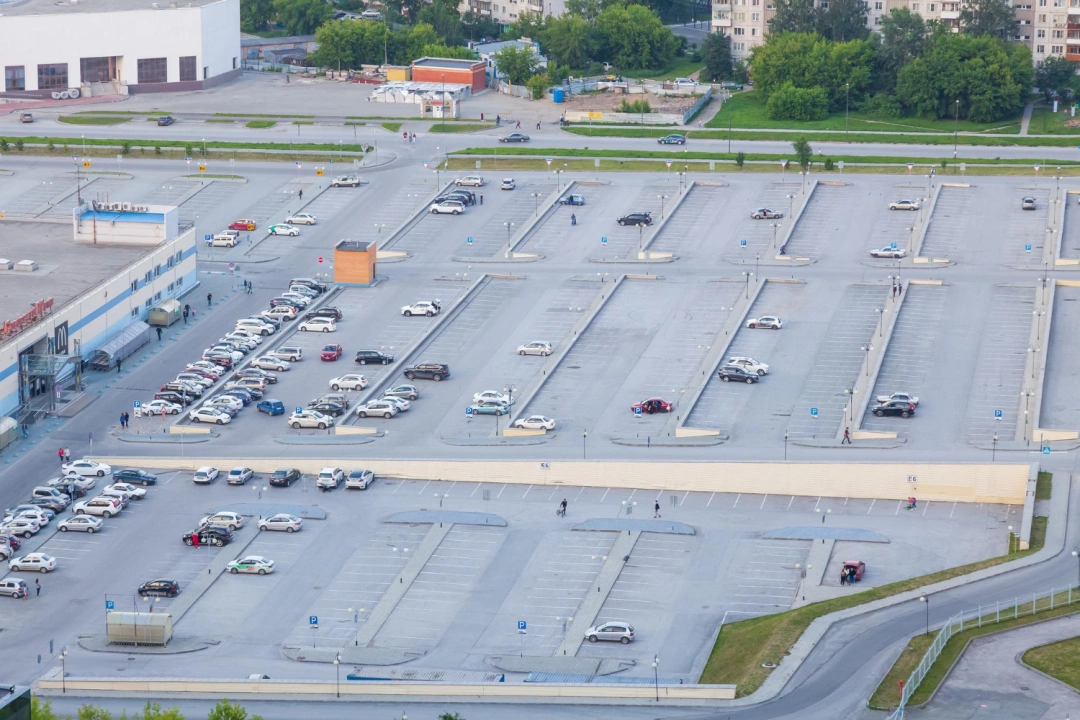
Paths, steps and car parks collect leaves, dust and windblown litter. Light items drift into corners and drains. When drains block, water pools and mud forms at kerbs and crossings. In cold snaps, frost and ice increase slip risk. In summer, dry dust spreads fast and plants shed pollen and seeds that stick to mats and shoes. Each season needs a different mix of sweeping, jet washing, leaf clearance and drain checks.
Need assistance finding retail and business park cleaning near you?
Get a QuoteWhy Cleaning Challenges Impact Retail and Business Parks
Cleanliness is tied to safety and to how people choose to spend time and money. When floors are marked or sticky, when bins overflow, or when toilets are out of order, visitors cut their stay short or pick another place next time. That choice reduces footfall and spend, and it also lowers confidence in the brands on site. In a competitive town, this shift is difficult to recover once it begins.
Risk grows when cleaning slips. Wet floors lead to falls. Blocked routes slow evacuations. Food waste draws pests that are hard to remove once they find shelter. Each problem has a cost that can exceed the price of routine care many times over. A strong plan lowers risk, supports insurance needs and proves due care if an incident is reviewed. It also prevents damage that shortens the life of finishes, which protects capital budgets in the long run.
Staff morale links to the state of the workplace. People feel better and take pride in their role when they work in clean, calm surroundings. Clear standards and steady routines lower stress because everyone knows what good looks like and how to achieve it. Productivity rises when tasks are planned, stores are tidy and tools are ready to use. Tenants, visitors and teams all benefit when the basics are managed well.
Professional Cleaning Solutions for Business Parks
Many sites partner with professional cleaning providers to meet the scale and variety of work. A good provider brings trained teams, safe systems and equipment that speed up hard jobs. They design schedules around trading patterns and agree service levels that match the needs of each area. This approach reduces gaps in coverage and avoids wasted effort where it is not needed.
Modern machines transform results across large floor areas. Compact scrubber dryers clean and dry in one pass. Battery units remove trip risks from trailing cables and let operators move freely. For carpets, low moisture systems allow short drying times so zones can reopen quickly. In kitchens and food courts, steam cleaning lifts grease without harsh chemicals, which helps hygiene and the environment. Microfibre cloths take fine soil from touch points and can be colour coded to prevent cross contamination.
Quality control sits at the centre of a professional approach. Supervisors carry out audits, and simple apps log tasks, faults and photos. This creates a clear record for each area and helps to track trends, such as a bin that fills too fast or a door that marks a wall. Small changes guided by data can have a large effect over time, such as moving a bin by a few metres or adding a mat at a side entrance. Good communication with tenants keeps everyone aligned and ensures that service is focused where it brings the most value.
How to Overcome Cleaning Challenges Effectively
Strong results come from steady routines, clear roles and the right tools. The steps below help retail and business parks build a plan that fits the site, improves safety and keeps spaces looking good in daily use. Start small, measure results and build on what works best for your layout and your visitors.
Plan Around Peaks and High Risk Zones
Map the site and mark where most dirt begins. Entrances, food areas, lifts and cash machine zones are common hotspots. Set short, regular rounds at these points during busy periods. Add longer tasks such as machine cleaning before the site opens or soon after closing. Use visible checks so visitors see that cleaning is active. A simple board that shows the last clean time builds confidence and guides teams to the next round on time.
Strengthen Waste, Recycling and Pest Control
Place bins where people pause, such as near seating, exits and bus stops. Use clear signs and keep lids working so users feel confident to dispose of waste. Empty high use bins more often at lunch and early evening. Keep waste routes clear and dry. Train teams not to overfill bags, and provide safe trolleys so heavy loads are avoided. Work with waste contractors to match container sizes to the volume produced and to schedule collections at the right times.
Invest in People, Safety and Communication
Well trained people make the greatest difference. Provide practical training on equipment, safe chemical use and how to report faults. Keep manuals and safety sheets easy to find. Refresh training when new machines arrive or when tasks change. Build pride with clear uniforms, good storage for kit and simple recognition for a job well done. Share plans with security, grounds staff and tenants so they know when tasks happen and who to contact. Encourage feedback from store staff who see issues first.
By planning around busy moments, caring for high contact points and investing in skilled teams, retail and business parks can control the most common cleaning challenges. The goal is not perfection for a day. The goal is steady, repeatable quality that holds through seasons and events. With clear roles, sensible tools and simple checks, standards rise and stay there, which benefits everyone who uses the site.
In this article: