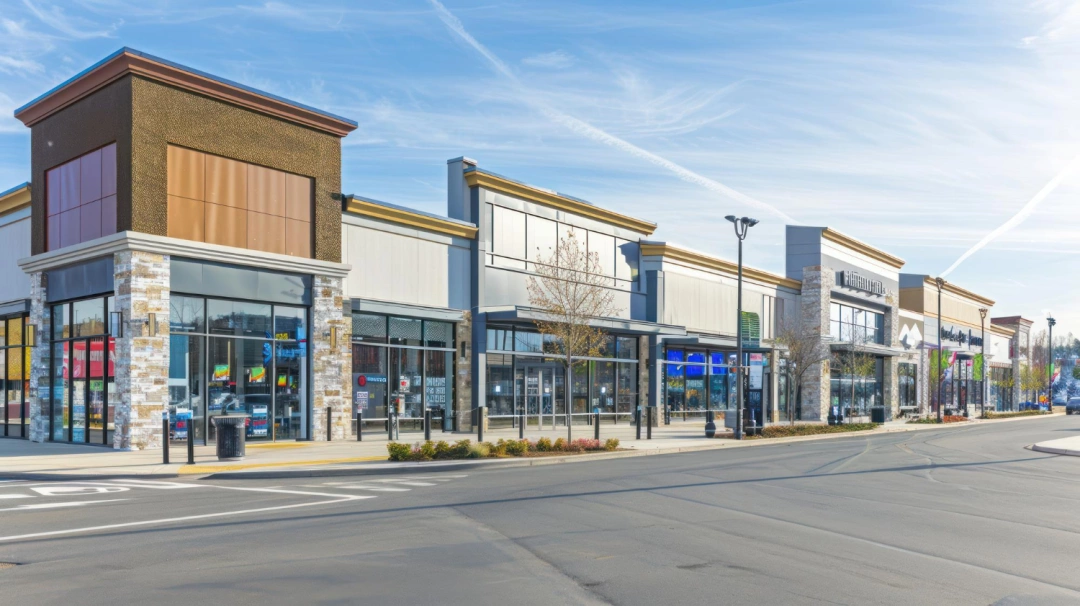
How Regular Cleaning Improves Safety in Retail Parks
Retail parks welcome thousands of people every week. Families shop, tradespeople collect supplies, and delivery drivers move in and out all day. With so much activity, the site can become cluttered, slippery or unhygienic if cleaning falls behind. Regular cleaning is therefore a core part of safety. It lowers the chance of accidents, keeps shared spaces healthy and makes the whole area feel calm and well-managed.
Good cleaning is not only about looks. It is about removing the things that create risk. Grit on a walkway can cause a slip. Overflowing bins attract pests. Oil leaks in a car park can make tyres lose grip. By dealing with these problems early, teams protect customers and staff and avoid disruption.
Clean surroundings also influence behaviour. People tend to take greater care in spaces that look cared for. They keep to marked routes, use bins, return trolleys and respect rules. This supports security and the smooth flow of traffic and pedestrians. In turn, businesses trade in a safer and more pleasant place.
For managers planning Retail and Business Park cleaning, the most effective approach is one that combines routine tasks with rapid response. A simple daily plan, backed by trained staff and clear reporting, gives everyone confidence that safety comes first. The result is fewer incidents and a better experience for every visitor.
The Safety Benefits of Regular Cleaning
Regular cleaning brings practical safety wins that can be seen and measured. It removes hazards, protects public health and supports the legal duties of the site owner. Below are the main ways cleaning improves safety across both indoor and outdoor areas.
Reducing slips and trips
Slips and trips are among the most common causes of injury in retail environments. Walkways collect rainwater, mud, leaves and litter. Car parks gather oil drips and loose gravel. Inside, tiled floors can become slick after a spill or during wet weather. Routine sweeping, jet washing and prompt spill response reduce the surface film that leads to a loss of footing. Clear signage and fast drying methods then help people move safely while cleaning is underway. The result is fewer falls and a clear record that hazards were controlled.
Keeping paths and visibility clear
Clutter in shared spaces creates risk. Trolleys left in bays, broken pallets near service yards or packaging piled by a doorway can all cause trips, block sight lines and force people into vehicle paths. Regular cleaning pairs well with good housekeeping. Waste is removed before it builds up, lighting is kept free from cobwebs and dust, and glass or acrylic panels are wiped so drivers and pedestrians can see each other. Clean, well-marked lines and signs also guide safe movement and reduce confusion at junctions and crossings.
Improving hygiene in shared facilities
Retail parks often include public toilets, baby changing rooms, lifts and shared seating areas. These spaces can spread germs if not cleaned often and well. A clear routine for sanitising touch points such as flush handles, taps, buttons and railings cuts the risk of bacteria and viruses passing between users. Bins are emptied before they overflow, hand soap and paper are topped up, and ventilation grilles are kept clear. Clean facilities support public health and encourage people to stay longer, which benefits every business on site.
Protecting building fabric and equipment
Dirt and debris do more than look untidy. They damage surfaces and shorten the life of equipment. Grit acts like sandpaper on floor finishes. Chewing gum bonds to paving and needs specialist removal. Leaves block drains and cause pooling, which can lead to ice in winter and algae in summer. Regular cleaning limits this wear and tear. It also keeps fire exits, hydrants and emergency equipment accessible, with labels readable and floor markings intact. This helps the site meet its legal duties while avoiding costly repairs.
Need assistance finding retail and business park cleaning near you?
Get a QuoteWhy Safety Is a Priority in Retail Parks
Retail parks combine heavy footfall, fast vehicle movements and frequent deliveries. Customers range from older people with limited mobility to young children and pets. This mix increases the chance of harm if hazards are left in place. Simple issues such as a wet entrance mat, a damaged kerb or a build-up of leaves can cause a fall. In a setting with busy traffic and high volumes of people, even a minor incident can have serious consequences.
Safety is also linked to trust. Visitors choose where to shop based on ease, comfort and confidence. If the car park looks neglected or the paths feel grimy, people worry about what they cannot see. They may question the maintenance of lighting, cameras or fire systems. Clean, tidy spaces send a message that the site is cared for and that risks are managed. This protects reputation and supports steady trade for every tenant.
Legal duties matter too. Owners and occupiers must take reasonable steps to keep their premises safe. Documented cleaning, supported by routine inspections, helps prove that risks were identified and controlled. This reduces the chance of claims and fines and helps insurers see the site as low risk. In short, safety is a priority because it protects people, profits and peace of mind.
The Role of Professional Cleaning Services
Professional teams bring structure, skill and the right tools to large, complex sites. They provide planned schedules, trained staff and the machinery needed to cover wide areas quickly. This includes ride-on sweepers for car parks, hot water pressure washers for stains and chewing gum, and scrubber dryers for internal floors. With proper equipment, tasks are done faster and with less disruption to trade.
Professional cleaners also understand risk. They assess surfaces, choose safe products and set out barriers and signs so the public are protected while work takes place. They plan around peak times and coordinate with security and maintenance so that tasks happen at the right moment. For example, they may wash entrance canopies before the site opens, clear gullies after storms or deep clean toilets during quiet periods. This reduces downtime and keeps areas usable.
Partnership is key. A good contractor shares reports with the site team, including photos, checklists and notes on recurring issues. Data on near misses and seasonal trends help managers adjust their plans. If litter volumes rise during school holidays, bins can be increased and routes changed. If algae returns to shaded paving each spring, a pre-treatment can be scheduled. In this way, professional services do more than clean. They support continuous improvement in safety performance.
Practical Steps to Keep Retail Parks Safer
Safety improves when simple habits are built into daily life on the site. The following steps help managers combine routine cleaning with quick action and clear communication. They are practical, low-cost, and suitable for most retail parks.
Plan clear routines and responsibilities
Create a simple plan that lists tasks by area and frequency. Entrances, pedestrian crossings and trolley bays may need checks every hour. Car parks, footpaths and bins may be on morning, midday and evening rounds. Toilets and baby change rooms should have visible cleaning records so users know when they were last checked. Assign responsibilities so each zone has named owners. When every team member knows what to look for and how to report it, hazards are removed sooner.
Respond quickly and record actions
Even the best routine cannot prevent every issue. Spills happen, and the weather changes fast. Make it easy for staff and the public to report problems. Simple scannable codes on signs, a short contact line to the control room or a staffed help desk all work well. Keep basic spill kits and litter pickers in key spots so small problems can be tackled at once. Record what was found and what was done. These notes help improve the plan and show that risks were managed promptly.
Support safe behaviour through design
Cleanliness works best when backed by smart design. Place bins at regular points on walking routes and near food outlets. Use anti-slip matting at entrances and ensure canopies and gutters move rainwater away from footpaths. Mark pedestrian routes clearly and refresh paint before it fades. Provide trolley bays close to store doors so returns are easy. Clear, well-kept spaces nudge people to follow the safest path and reduce the chance of litter, spills and obstructions.
In this article: