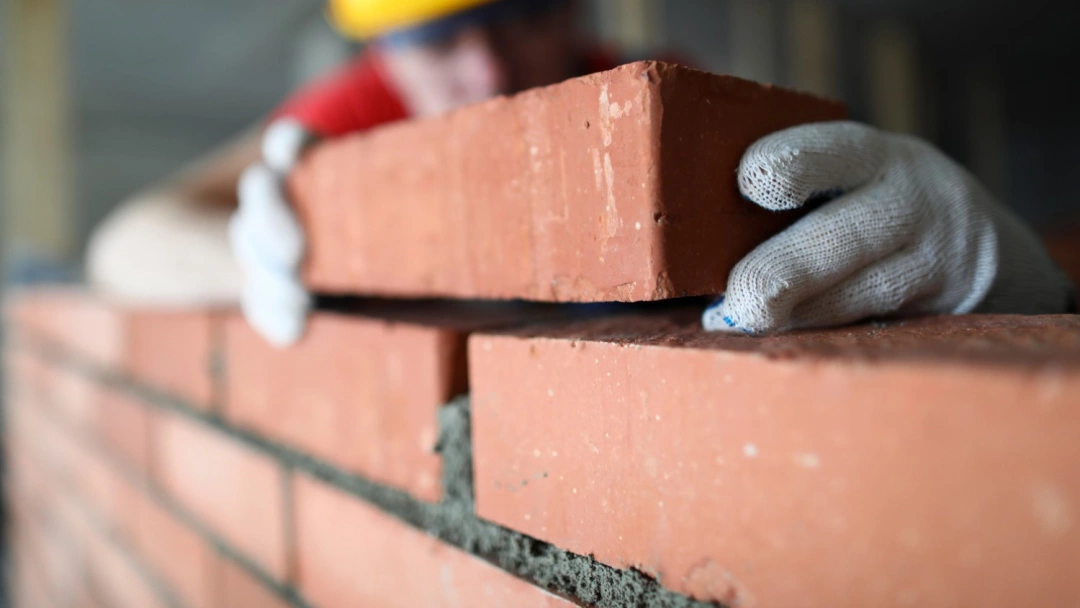
Bricklaying vs Blockwork What Is the Difference?
When it comes to building in the UK, you will often hear the terms bricklaying and blockwork. At first glance, these might seem to mean the same thing. Both involve laying units with mortar to form walls and other structures. However, there are key differences that affect how each is used.
Understanding the difference between brickwork and blockwork is useful for homeowners, builders, and anyone involved in property improvement. It helps with planning, budgeting, and making sure the right materials are chosen for each part of a build.
In this article, we’ll look at what sets bricks and blocks apart. We’ll explore their sizes, materials, and typical uses. We’ll also explain when one might be better than the other, how they are often used together on UK projects, and how to decide what’s best for your property.
Key Differences Between Bricks and Blocks
Though bricks and blocks might both be building units joined with mortar, they differ in size, materials, weight, and purpose. Knowing these differences helps make smart choices on building jobs large and small.
Size and Shape
One of the biggest differences is size. Bricks are smaller and made to standard measurements. Most UK bricks measure around 215 mm in length, 102.5 mm in width, and 65 mm in height. They are made to fit comfortably in one hand, which is ideal for detailed work.
Blocks, on the other hand, are much larger. A standard block size is around 440 mm long, 215 mm high, and can vary in thickness. Their larger size allows them to cover more area more quickly, which is helpful in large-scale construction or when speed matters.
The shape of both bricks and blocks is usually rectangular, but bricks are often more precisely finished. This makes them better for neat appearances and uniform patterns.
Material Types
Bricks are often made from clay or concrete. Traditional clay bricks are baked in kilns and have been used in construction for hundreds of years. They are strong, long-lasting, and offer a classic look. Concrete bricks are also available and are usually cheaper and more modern in appearance.
Blocks are generally made from concrete or cement-based mixes. There are two main types: dense concrete blocks and lightweight aerated blocks. Dense blocks are heavy and strong, good for load-bearing walls. Aerated blocks are much lighter and provide excellent insulation, making them a popular choice for inner walls.
Both bricks and blocks can vary in quality, and the type you choose will affect cost, insulation, weight, and even soundproofing.
Weight and Handling
Because bricks are smaller, they are easier to handle one by one. Builders can carry several at a time in a hod, making them well suited to smaller or more detailed work.
Blocks are heavier and often need to be moved with care. They might require two people or lifting equipment, especially on busy construction sites. However, because fewer blocks are needed for the same area, they can save time overall.
Lightweight blocks reduce handling effort and are popular in modern builds. Their larger size also reduces the number of mortar joints, which speeds up the job and lowers the amount of mortar needed.
Uses and Appearance
Bricks are widely chosen for their appearance. They are often used on the outside of homes, garden walls, and decorative features. Their colours and finishes vary, offering lots of design options.
Blocks are usually hidden within the structure. They are used for internal walls, foundation walls, and behind external cladding or brickwork. Because they are not seen, there is less need for a tidy finish or variety of colours.
Some projects use painted or rendered blockwork for a neat look, especially for outbuildings, garages, or utility spaces where function is more important than style.
Need assistance finding brickwork near you?
Get a QuoteWhen to Use Brickwork vs Blockwork
Choosing between brickwork and blockwork depends on what your building needs to do. Each option has benefits depending on the location, type of build, and how the wall will be used.
Brickwork is the best option when a wall will be seen and needs to look attractive. Bricks add value to a property by giving it a neat, traditional appearance. They are ideal for external walls, front-facing areas, or projects where design is a key factor.
Brickwork also stands up well to the UK’s changing weather. It’s durable, needs little upkeep, and handles rain, wind, and frost with ease. Many people also feel that brickwork gives a classic, well-built feel that’s hard to beat.
Blockwork is more suitable for internal use or places that will be covered, such as cavity walls or beneath render. Its speed and strength make it the go-to choice for structural walls, garages, and extensions. Aerated blocks, in particular, offer high thermal performance, helping to keep energy bills down in the long term.
In practice, many buildings use both. Blockwork gives structure and speed, while brickwork adds a finished look. This combination brings the best of both methods, and it’s common in modern UK home construction.
How Builders Combine Bricks and Blocks on UK Projects
On most modern UK builds, you’ll find both bricks and blocks used in the same structure. This is particularly common in cavity wall construction. In a cavity wall, there are two layers. The inner layer, called the inner leaf, is usually built from concrete blocks. The outer layer, or outer leaf, is built from facing bricks.
The space between the two layers can hold insulation or allow air to circulate, helping to keep heat inside and moisture out. This setup makes homes warmer, drier, and more energy efficient. Cavity walls are now the standard in new builds across the country.
Builders often begin with the blockwork to form the structural shell. These blocks go up quickly, giving shape and strength to the walls. After that, bricklayers follow with the facing bricks, paying close attention to detail, patterns, and pointing. The result is a building that’s strong on the inside and smart-looking on the outside.
This method also helps control costs. Blocks are cheaper and quicker to lay, so using them for structure saves money. Bricks are more costly and slower, but since they are used only on the visible sides, the balance works well.
Combining the two also helps meet UK building regulations. It supports good thermal performance, fire safety, and moisture resistance. Whether it’s a new home, a commercial unit, or a school, this mixed approach is now seen as best practice.
Choosing the Right Option for Your Property
Deciding between brickwork and blockwork for your property can depend on many factors. Thinking through your needs for appearance, cost, time, and energy use will help you make the right choice. In many cases, using both makes sense, but each part of the build might need a different approach.
Appearance and Style
If you care about how your property looks, brickwork may be the better choice for the visible parts. You can choose from a range of colours, textures, and bonds to match nearby buildings or personal taste. This is especially useful in front gardens, entrances, and extensions facing the street.
For less noticeable walls or structures like sheds and garages, blockwork may be enough. You can also cover blockwork with render or cladding if you want a neat finish without the full cost of brickwork.
Energy Use and Comfort
Many people now look for better insulation to save on heating bills. Lightweight blocks with good insulation properties help keep warmth in and reduce costs. When combined with cavity insulation or insulated plasterboard, blockwork can perform very well.
If the outer walls are brickwork, you can still add insulation behind them to meet building standards. A well-designed mix of bricks, blocks, and insulation can make your home more energy efficient all year round.
Budget and Speed of Build
If time or money is limited, blockwork can offer big savings. Blocks go up faster, which reduces labour costs. Their lower price per unit also helps keep overall costs down.
That said, brickwork adds lasting value to a property. While it takes longer and may cost more, the strong finish and visual appeal are often worth the extra time and money. For most people, the best approach is to combine the two where it makes sense.
In this article: