Can You Repair Brickwork Yourself or Should You Hire a Professional?
Brickwork is an important part of any home or building. It adds to the strength, safety and look of the structure. Over time, bricks and mortar can wear down due to age, weather or poor workmanship. You might notice cracks, gaps or even bricks that have become loose. When this happens, you may wonder if it’s something you can fix yourself or if you need to call in an expert.
This guide will help you decide what brickwork repairs can be done at home and when it’s safer to hire someone with experience. It will also explain the benefits and risks of doing the work yourself. Understanding your options can help you save money, avoid damage and keep your home looking its best. Whether you're trying to repair a small garden wall or dealing with damage to your house, this article will give you the facts you need. With the right knowledge, you can choose the best path forward for your brickwork problems.
Which Brickwork Repairs Can Be Done as DIY Jobs?
Some brickwork tasks are simple enough for most homeowners to manage. These jobs usually involve surface damage or small areas that don’t affect the structure of the building. If you’re willing to learn and take your time, certain repairs can be completed safely with basic tools and materials.
Replacing a Single Damaged Brick
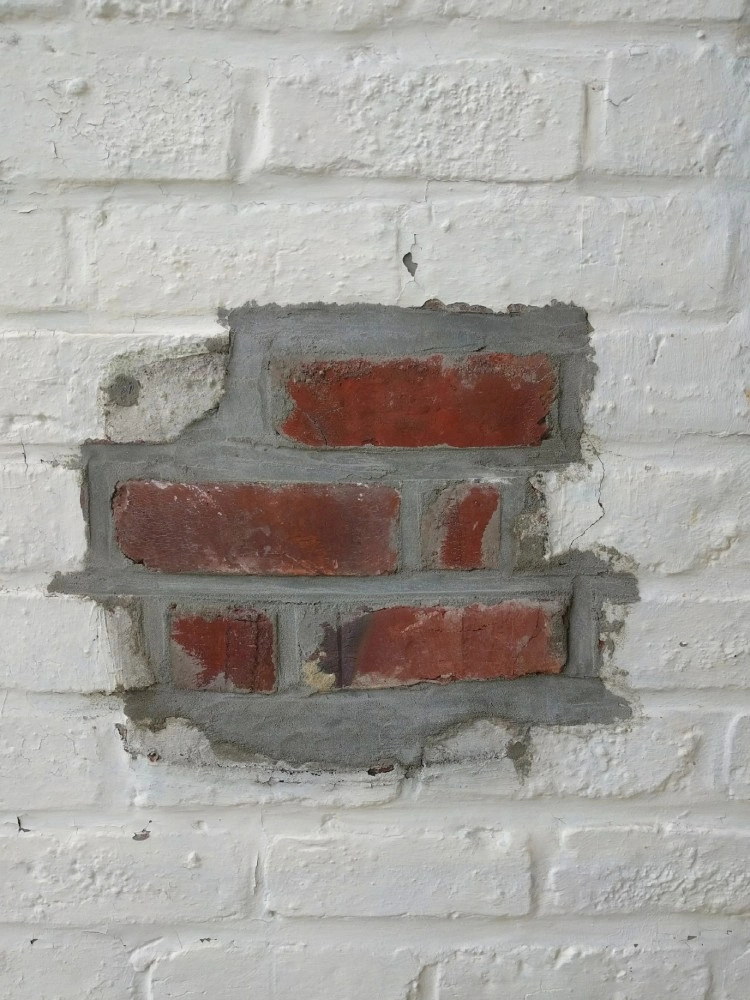
Replacing one broken or cracked brick is one of the easier brickwork jobs. With a hammer, chisel, and protective gear, you can carefully remove the old brick. Once you clear away the old mortar and clean the space, you can insert a new brick using fresh mortar. It's important to line up the new brick with the others so the wall remains even and strong. Try to match the colour and size of the new brick to the old one. If the new brick stands out too much, it can spoil the look of the wall. For the best results, keep your work area clean and follow safety steps to avoid injury or further damage.
Small Repointing Tasks
Repointing means removing old, worn-out mortar between bricks and replacing it with new mortar. This helps protect the wall from moisture and keeps it firm. For small areas, repointing can be a good job for a careful homeowner. You’ll need a mortar rake to remove the old mortar, a trowel for applying the new mix, and the correct type of mortar for your house.
Only remove the top part of the old mortar. Cutting too deep can cause issues. Once the new mortar is applied, it should be smoothed to match the rest of the wall. Let it dry properly before touching or painting over it. Working in dry weather gives better results.
Fixing Loose Bricks in Low Garden Walls
In garden walls, bricks may shift or become loose over time. If they are not part of a load-bearing structure, it is usually safe to fix them yourself. Start by removing the loose bricks and scraping away old mortar. Make sure the bricks and the gaps are clean before adding new mortar and replacing the bricks. Push the bricks into place and check that they are level with the others. Once the mortar starts to dry, clean any excess with a damp sponge. This type of job is perfect for practising your skills and can help keep your garden neat and secure.
Sealing Fine Surface Cracks
Hairline cracks in bricks or mortar can let in water, which may freeze and cause more damage later. If the cracks are thin and not part of a deeper problem, you can use a repair compound or sealant. These are available in DIY shops and are easy to use with a caulking gun or trowel. Sealing cracks helps to keep out moisture and stops weeds from growing in the gaps. However, keep an eye on the area over time. If the cracks get bigger, it could mean there’s a more serious issue that needs expert advice.
Need assistance finding brickwork near you?
Get a QuotePros and Cons of Doing Brickwork Yourself
Fixing brickwork on your own can feel rewarding. It allows you to take control of the repair and often saves money. But before you start mixing mortar, it’s wise to think about both the benefits and the risks of a DIY approach. One of the main benefits is cost. Professional bricklayers charge for their time and skills. By doing the work yourself, you only need to pay for materials. For small jobs, this can mean a big saving. Another plus is flexibility. You can work when it suits you and take breaks as needed.
DIY brickwork can also be a great way to learn something new. There are many step-by-step guides and videos online that explain how to do simple repairs. This makes it easier for beginners to try out small projects safely. However, there are some downsides. Brickwork needs care and accuracy. Mistakes such as using the wrong mortar, placing bricks unevenly or failing to let mortar cure properly can cause problems.
Repairs that are not done well may not last and could even make the damage worse. Some tasks also involve safety risks. Working on high walls or near electrical wires can be dangerous. If the area is unstable or near your home’s foundation, the risk increases. In these cases, it's safer to call someone who has the right training and tools.
Where Homeowners Often Go Wrong with DIY Brickwork
Even with the best intentions, mistakes in DIY brickwork are common. Knowing where others have gone wrong can help you avoid making the same errors. One of the biggest problems is using the wrong type of mortar. Older buildings need lime mortar, which allows the wall to “breathe”, while newer homes often use cement-based mortar. Using the wrong mix can damage bricks over time.
Another mistake is removing too much old mortar during repointing. This can weaken the wall and make it unstable. Aim to remove just enough to insert new mortar, usually about 15 to 20 millimetres deep. Trying to dig out more may cause bricks to shift or fall. Ignoring signs of larger problems is another error. If you see long cracks, bulging walls or bricks that feel loose across a large area, it might be a sign of structural trouble. These are not jobs for DIY and should always be checked by a professional.
Finally, some people rush the work or choose poor weather conditions. Mortar needs dry and mild weather to set properly. If it freezes or rains before it dries, it won’t be strong enough. Taking shortcuts or rushing to finish quickly can lead to more costly repairs later.
When You Should Call in a Brickwork Specialist
While many small repairs can be handled at home, some brickwork jobs are best left to the experts. In these cases, trying to do it yourself can lead to further damage, wasted money or even safety risks. Below are examples of when it’s a good idea to call a professional.
Serious Cracks or Signs of Movement
If you notice large cracks in your brickwork or signs that a wall is leaning, you need expert help. These could mean there are problems with the foundations or the structure of the house. Only a trained brickwork specialist can safely assess the damage and decide what repairs are needed. Trying to patch over these cracks may hide the problem but will not fix it. Over time, the damage may get worse and lead to higher repair costs.
High Walls, Chimneys or Hard-to-Reach Areas
Jobs that involve working at height or in tight spaces are risky for someone without the right tools. Chimneys, second-storey walls and roof edges all pose dangers. Professionals have ladders, scaffolding and harnesses to make the job safer and quicker. They also have more experience spotting other problems, such as loose flashing or signs of damp, which you might not notice. This means you get a more complete repair that’s built to last.
Historic or Listed Properties
Old and listed buildings often have rules about what changes can be made. Using the wrong materials or repair methods could damage the building and even break planning rules. A specialist will know how to match bricks and mortar types to keep the building looking right and meeting legal requirements. If you live in a protected area, it’s especially important to get advice before starting any brickwork repairs. A poorly done DIY job could lower the value of your home or cause problems with your local council.
In this article: