How to Spot and Fix Common Brickwork Problems
Brickwork is a vital part of many homes across the UK. It provides structure, support and protection for the entire building. With proper care, brickwork can last for many decades, but over time, even well-built walls can start to show signs of wear and tear. If left unchecked, small problems can grow into larger issues that affect the look, safety and comfort of your home. From minor cracks to more serious bulging, recognising early signs of damage is key to keeping your home in good condition and avoiding expensive repairs later on.
This article will help you understand what to look for, the usual causes of brick damage, how to tackle simple fixes yourself and when it is best to call a professional. By learning more about brickwork, you can make smart decisions about your home’s upkeep and avoid stress in the future.
Common Brickwork Issues Found in UK Homes
Many properties across the UK are built using brickwork due to its strength, durability and traditional look. However, over time, several problems can appear in the brick and mortar due to age, weather and shifting ground. Below are the most common brickwork issues that homeowners should be aware of.
Cracked Bricks
Cracks in bricks are among the most common issues seen in UK homes. They can vary in size from tiny hairline cracks to large, deep splits. Small cracks may only affect the surface, but if they run deep, they may point to structural movement. Cracked bricks can appear due to natural settling of the house, changes in temperature, water damage or nearby building work. These cracks can allow water to seep into the wall, leading to further weakening, frost damage and even mould inside the home.
Loose or Missing Mortar
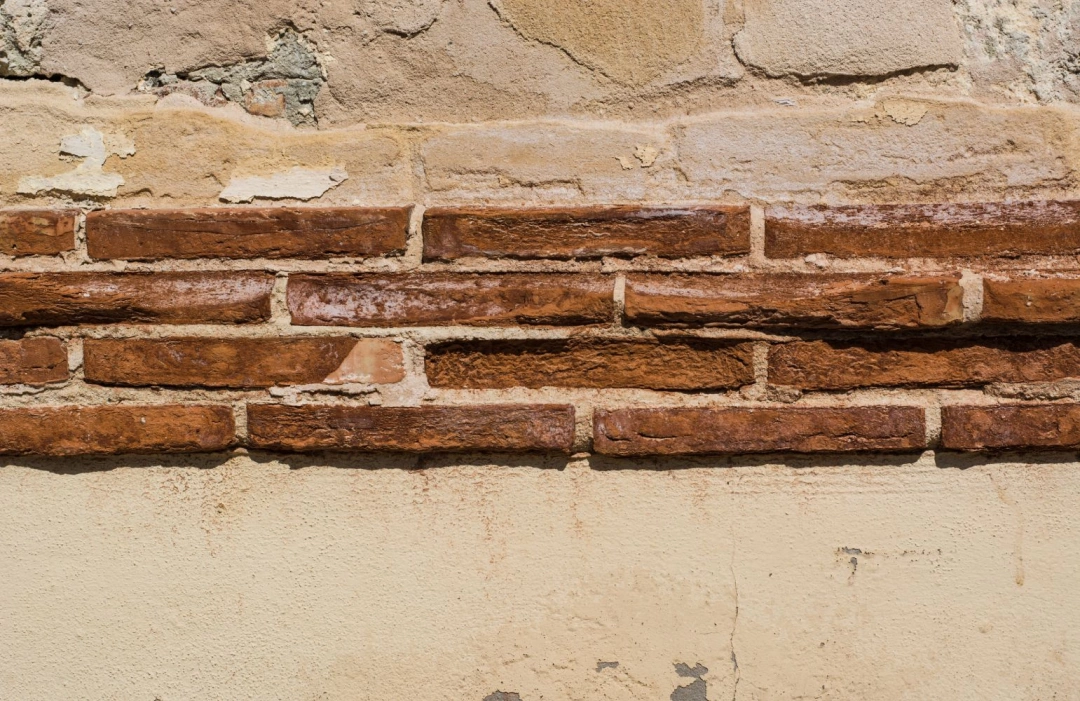
Mortar is the bonding material that holds bricks together and keeps walls strong. Over time, exposure to wind, rain and frost can wear the mortar down, making it soft or causing it to fall out completely. This is particularly common in older homes with lime-based mortar. When mortar is missing or crumbling, bricks may become loose and shift from their original position. Gaps between bricks can also allow water into the wall, which may cause damage inside and outside your property, including damp or rot.
Efflorescence (White Powdery Marks)
Efflorescence is a white, powdery deposit that can appear on the surface of bricks. It is caused when water passes through the wall, bringing salts from inside the bricks to the surface. When the water evaporates, it leaves behind the salt. Although efflorescence is not harmful to bricks themselves, it may indicate excess moisture within the wall. It can also spoil the appearance of your brickwork and may suggest that there is a leak or drainage issue that needs fixing.
Bulging or Bowed Brickwork
A more serious issue is when brick walls start to bulge or bow outwards. This usually means that the structure has been weakened over time, either due to water damage, rusting wall ties or poor construction methods. It may affect the outer brick layer, the inner wall or both. Bulging brickwork is often a sign of a more serious problem and can lead to parts of the wall becoming unstable. This should always be inspected by a qualified builder to avoid further risks.
Need assistance finding brickwork near you?
Get a QuoteWhat Causes These Brickwork Problems to Develop?
Several different factors can cause brickwork damage. Weather is one of the most common reasons. Wind, rain, snow and changes in temperature can all cause wear on bricks and mortar. Over time, this can lead to cracks, loose mortar and signs of damp. Frost is especially damaging. Water can enter tiny gaps in bricks or mortar and freeze in winter. When water freezes, it expands, which causes pressure and cracks. This freeze-thaw cycle can repeat over many winters and cause bricks to break down.
Ground movement is another factor. Changes in the soil under or around a house can lead to small shifts in the building’s foundations. These shifts may cause cracking in brick walls or damage to the structure. Common reasons include tree roots, heavy rain or construction nearby. Time and age also play a big part. Bricks and mortar naturally wear down over the decades, especially in older homes. Mortar from earlier periods may be softer and more vulnerable to water and frost. If a wall is not maintained, it becomes more likely that serious issues will develop.
Poor construction or repairs can also lead to brickwork issues. If the wrong materials were used or bricks were laid badly, problems may show up sooner. Using the wrong type of mortar for repointing, for example, can cause bricks to crack or even crumble over time.
How Do I Fix Minor Brickwork Damage
Not every problem with brickwork means you need a builder. Many minor issues can be sorted out with a little care and the right tools. By taking action early, you can stop small problems from growing worse and save money on future repairs. Hairline cracks in bricks or mortar can often be sealed using crack filler or flexible exterior sealant. Clean the crack well and apply the filler, smoothing it over with a tool or damp cloth. This prevents water from getting in and helps avoid frost damage.
If mortar is loose or missing, you may need to repoint the area. This means removing the old mortar and filling the gap with new mix. Use a pointing tool to press the new mortar in firmly and shape it to match the rest of the wall. Choose a mortar type that matches the existing colour and material, especially for older properties.
Efflorescence should be brushed off with a stiff, dry brush. Avoid using water, as this may spread the salts further. If the marks return, check the wall for leaks or poor drainage. Fixing any water issues should stop the problem coming back again. Cleaning bricks with warm water and mild soap can also help improve appearance. For more stubborn dirt or stains, use a brick-safe cleaner. Always test on a small patch first to avoid damage.
When you should call a professional for brickwork issues
While you can fix many small problems yourself, there are some cases when you should always speak to a professional. Serious or ongoing brickwork damage may point to deeper issues that require expert knowledge. Below are some examples of when it is best to call in help.
Serious Cracks or Structural Movement
Deep or long cracks that spread across many bricks may be a sign of foundation problems. These should never be ignored, as they can lead to major structural damage. A professional can check if your house is shifting and suggest safe solutions like underpinning or rebuilding parts of the wall. If you see cracks widening over time or notice doors and windows sticking, this may also point to movement in the building. Only a trained builder or surveyor can assess these risks properly.
Bulging Walls or Rusting Wall Ties
If parts of your brick wall seem to be sticking out or have a wave-like shape, this could be due to broken wall ties or poor support behind the wall. These ties hold the inner and outer layers of a wall together, and if they fail, the outer layer can begin to come away. Replacing wall ties is a job that needs special tools and skill. Ignoring this type of issue may lead to collapse, especially during storms or heavy rain.
Long-Term Damp and Water Damage
Damp patches, mould growth and peeling paint on interior walls can often be traced back to brickwork problems. If water keeps getting into your home, it is time to speak to a professional. They can find where the leak is coming from and suggest waterproofing or repairs. Solutions might include sealing external walls, improving drainage around the house or replacing damaged bricks and mortar. Sorting out water issues early helps protect your home and your health.
In this article: