How Long Does It Take to Complete Brickwork on a House?
When building a new house, one of the biggest parts of the project is the brickwork. This is what gives the home its strong outer shell. It also adds to the look and feel of the house. Brickwork is not only about stacking bricks. It involves skill, planning, and teamwork. It is done in steps and needs time at each stage to be done properly and safely.
Many people ask how long it will take to finish the brickwork on a new house. The answer depends on many things, such as the size of the home, the number of workers, and the weather. This article will explain the usual time needed for brickwork and what can affect the schedule. By the end, you’ll have a better idea of what to expect during this part of the house build.
Typical Timeframes for Different Brickwork Stages
Brickwork is done in stages. Each stage has its own time needs and steps. Below are the main stages and how long each one may take on a normal house build.
1. Foundation and Blockwork
The first stage is laying the foundation. This is where concrete is poured into trenches. After that, blockwork is added on top of the base to raise the house to ground level. This job usually takes 3 to 7 days. If the land is soft, wet, or uneven, more work is needed before the blockwork starts. Builders may need to dig deeper or add support, which adds time. Once the blocks are laid, the next stage can begin. Blockwork is often quicker than brickwork as the blocks are larger. It helps get the site ready for the next team of workers to come in and continue the job.
2. Ground Floor Brickwork
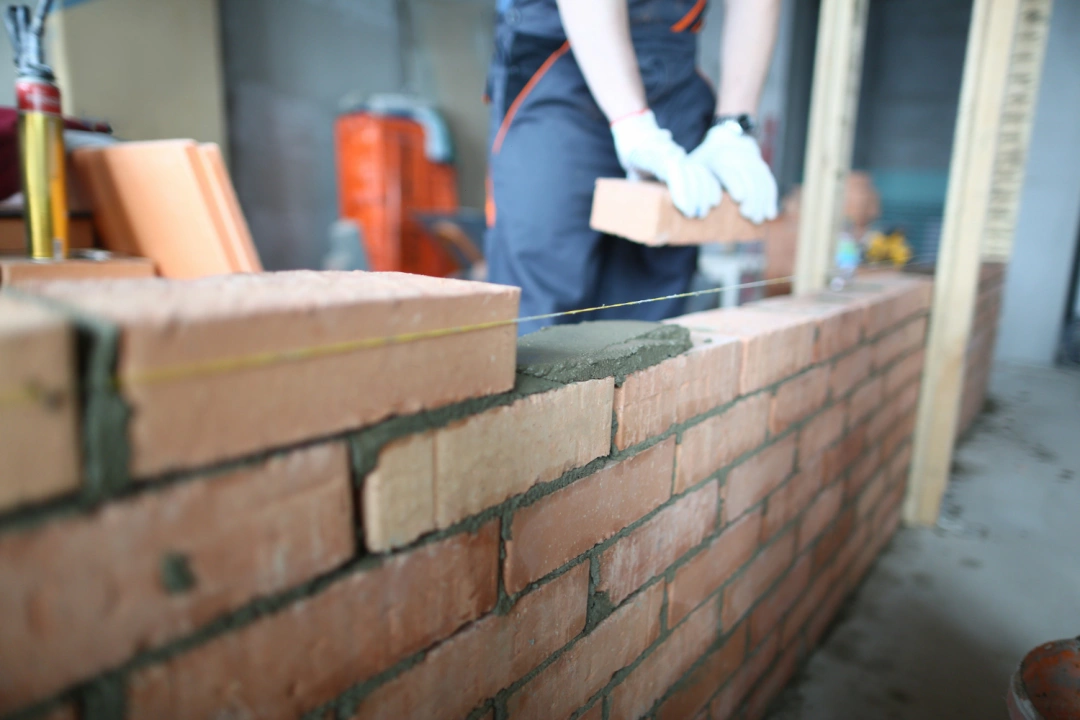
Next, bricklayers begin on the ground floor walls. These are built on top of the blocks and are made up of two layers with insulation between them. It usually takes between 7 and 14 days, depending on house size and wall layout. If there are lots of windows or doors, the work takes longer. These areas need lintels and careful brick cutting. A plain wall without openings is much faster to complete. During this stage, care is taken to keep lines straight and clean. Mortar must be applied evenly, and the bricks must be laid with care to avoid errors that could affect strength or look.
3. First Floor and Higher Levels
When the ground floor is finished, scaffolding is put up. This lets bricklayers safely reach the next level. First floor brickwork follows the same steps as before, but it takes more time due to height and safety checks. It can take another 1 to 2 weeks to finish this level. If the house has three floors or a loft space, it can add another week or more. More height means more care is needed, especially when lifting and moving bricks and mortar. Gable ends and high walls often take longer because of extra detailing and angles. These are not flat like normal walls and need more skill to complete.
4. Detailing, Garden Walls, and Final Touches
Once the main house is done, some extra brickwork may still be needed. This could include small walls in front gardens, bin stores, or small porches and door steps. These parts usually take 2 to 4 more days. Other details, such as brick patterns, coloured bricks, or special pointing, may also be added at this stage. These features often add charm and style, but they also take more time to complete well. Lastly, builders do a full check of all brickwork to make sure everything is safe, neat, and ready for the next stage of the build such as roof tiles, windows, and doors.
Need assistance finding brickwork near you?
Get a QuoteFactors That Affect Bricklaying Timelines
Every home is different, and many things can affect how fast the brickwork is completed. Below are the most common factors that influence the overall timing. The size of the house has a big impact. A small two-bedroom home might take just a few weeks, while a larger house with more levels could take over a month. Bigger homes need more materials and longer scaffolding setups.
House shape and style also make a difference. Homes with straight, flat walls are quicker to build than those with curves, bays, or special brick designs. More detail means more cutting, planning, and time. The number of bricklayers matters as well. A large team can finish faster, but only if the site is big enough for them to work together safely. A small plot may only fit two or three bricklayers at a time.
Availability of materials is another factor. If bricks or sand run out, the work must stop. Builders try to order ahead, but delays in supply can still happen. Lastly, the weather is one of the biggest outside factors. Cold or wet weather slows the drying of mortar. In very hot weather, the mortar can dry too fast and crack. Both cases may lead to delays or extra work.
How Builders Schedule Brickwork in a House Build
Scheduling is a key part of keeping the house build on track. Brickwork is planned to fit in with other tasks on site. It needs careful timing to avoid overlap and delays. Usually, the project manager or site lead makes the plan. They look at how long each job should take and what needs to be ready before brickwork begins. For example, foundations must be dry and safe first.
Once the base is ready, scaffolding is booked, and materials are ordered. Deliveries are timed so bricks, cement, and sand arrive before the bricklayers start. This avoids wasting time waiting for items. Bricklayers often work around other trades. For example, they may pause for roofers or window fitters. Good planning helps everyone get their part done without getting in each other’s way. The build schedule often includes some extra time in case of delays. This gives a buffer for bad weather or hold-ups with deliveries. With good planning, most builds stay close to the set timescale.
Delays to Watch Out For and How to Avoid Them
Delays can happen on any house build. But when it comes to brickwork, there are a few common causes. Knowing what to look out for can help you stay on track and save both time and money.
Bad Weather Conditions
Bricklaying is a job that depends on dry weather. Rain, frost, or strong winds can slow down or stop work. Mortar will not set properly if it gets wet or freezes. Hot weather can also cause bricks to dry too quickly and crack. To reduce the risk of weather delays, brickwork is often planned during spring and summer. Builders also use covers or tents to keep rain off the walls and protect fresh mortar.
Late Deliveries of Materials
If bricks, sand, or cement are not on site when needed, the team cannot carry on. This is one of the most common reasons for brickwork delays. It is also one of the easiest to avoid with good planning. Builders often order materials well in advance and speak to suppliers to check delivery times. Some even order extra to cover any breakages or mix-ups. Keeping close contact with the supplier helps avoid sudden surprises.
Design Changes and Poor Planning
When the house plan changes halfway through, it causes major delays. If a window is moved or a wall layout is changed, the bricklayers may have to take down finished work and start again. To prevent this, it is important to agree on the full design early on. Everyone on the team should have a clear and final plan before brickwork begins. This helps the build move smoothly with fewer breaks or mistakes.
In this article: