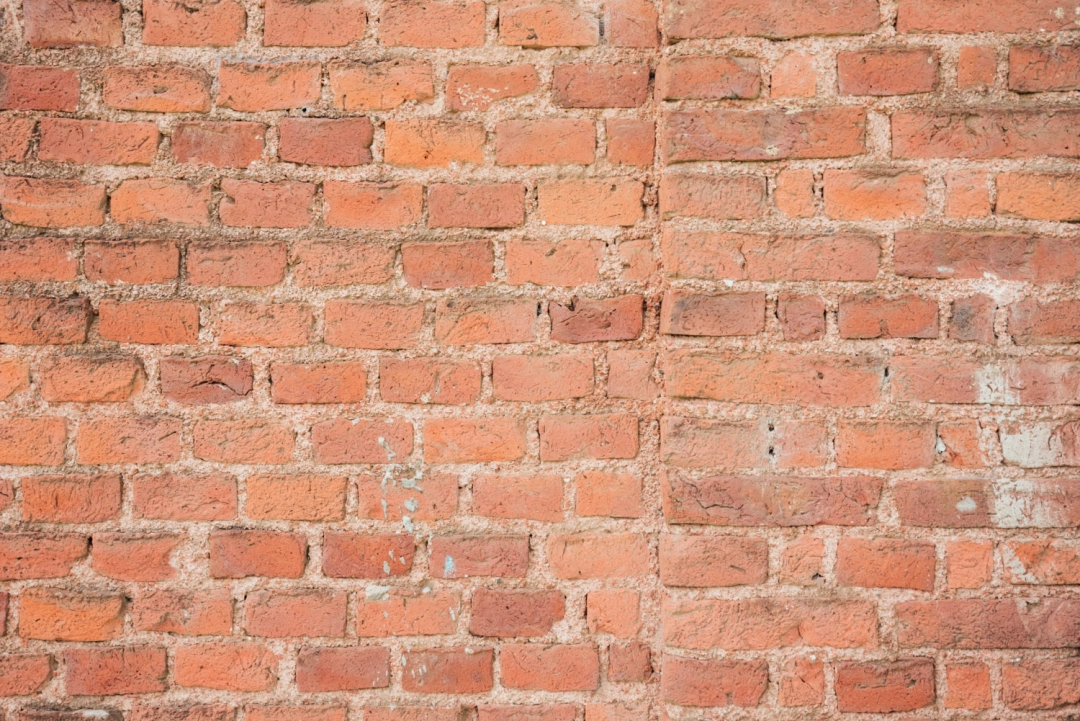
Is Repointing Brickwork Worth It or Should You Rebuild?
Brickwork plays a vital role in the safety, strength and style of any property. Over time, the mortar between the bricks begins to wear away, leading to issues that may need attention. When this happens, many property owners are unsure whether repointing the brickwork is enough, or whether a full rebuild is necessary.
This is an important choice, as it can affect both the look and stability of your building. Repointing is often quicker and cheaper, but there are times when only a full rebuild will do the job properly.
In this article, we will explain what repointing means, when it makes sense, and when rebuilding might be the safer or more cost-effective solution. We’ll also help you understand how to get a professional assessment so you can make the right decision with confidence.
What Is Repointing and Why Is It Done?
Repointing is a process used to repair the mortar joints in brickwork. Over time, the mortar between bricks can wear away due to weather, age and use. Repointing replaces this worn mortar with fresh material to protect the wall and restore its appearance.
What Happens During Repointing?
When repointing is carried out, a builder removes the top layer of damaged mortar using special tools. This is done carefully so the surrounding bricks are not harmed. Once the weak mortar is cleared away, fresh mortar is packed into the gaps, making sure it is tightly filled and smooth.
The new mortar is usually chosen to match the original look of the wall. This helps keep the building looking the same, which is especially important for older properties or listed buildings. Sometimes, coloured mortar may be used to blend in better with the bricks.
Proper repointing can stop water from getting into the wall and causing further damage. It also helps support the bricks and improves the overall look of the building.
Why Mortar Needs Repairing
Mortar is designed to hold bricks in place and keep out water. It is softer than brick, so it wears away more quickly than the bricks around it. Rain, wind, frost and pollution can break it down, making it loose or crumbly.
Once the mortar weakens, water can get inside the wall. This leads to serious issues such as rising damp, rot or even brick decay. If left alone, the problem may spread, leading to the need for more costly repairs later on.
Fixing the mortar early through repointing can protect the wall, reduce heat loss and help stop mould or damp from forming inside your home.
How Long Repointing Lasts
Good repointing work can last for decades, often up to 50 years or more. How long it lasts depends on the materials used, the builder’s skill and how exposed the wall is to weather and pollution.
Mortar made from lime, common in older homes, may last longer in some settings than modern cement mixes. Checking the walls often and doing small repairs when needed can help the mortar last even longer.
In most cases, you won’t need to repoint the whole house at once. Instead, focus on the worst areas, such as parts of the wall facing the wind or near ground level, where water damage is more likely.
Signs That Repointing Is Needed
There are some clear signs that suggest repointing may be needed. If the mortar has gaps or is falling out, this is a clear warning. You might also see cracks in the joints, crumbling mortar or loose bricks.
Damp inside the house, especially near skirting boards or lower parts of the wall, can also be a sign. It may mean water is getting through damaged joints. Testing the mortar by gently scratching it with a key is a quick way to see if it is too soft or loose.
Need assistance finding brickwork near you?
Get a QuoteWhen Repointing Is the Right Choice
Repointing is often the best choice when the bricks themselves are still solid and in good condition. If the main problem is simply worn mortar, then repointing can give the wall a new lease of life without the cost or effort of a full rebuild.
It is especially suitable for older buildings where keeping the original bricks is important for appearance or value. Rebuilding may use new bricks that do not match the original ones, which can spoil the look of the building.
Repointing can also be done on a small scale, making it ideal for targeted repairs. For example, if just one part of the wall is exposed to wind and rain, only that section may need work. This can save both time and money.
In cases where damage is caught early, repointing can stop bigger problems from developing. It prevents water from getting in and supports the structure, making your home safer and more energy efficient.
When You Might Need to Rebuild Instead
There are times when repointing is not enough to fix the problem. If the bricks have started to crumble, crack or fall apart, then a full rebuild may be needed. This is because repointing only fixes the joints, not the bricks themselves.
A rebuild is also the right choice if the wall has lost its shape or has become unsafe. This might happen due to deep water damage, weak foundations or long-term neglect. Bulging or leaning walls are often signs that a rebuild is needed.
Another reason to rebuild is if earlier repairs were done badly using the wrong materials or methods. For example, using hard cement mortar on a soft brick wall can cause long-term damage. In this case, taking down the wall and starting again may be the safest option.
If the damage is wide or deep and goes beyond the surface, it is best not to waste money on patching. A solid rebuild will last longer, offer better protection and give peace of mind.
Getting a Professional Assessment and Quote
Whether you are leaning towards repointing or think a rebuild may be needed, it is always wise to get a proper inspection from a building expert. They can look at the full picture and help you make the right choice.
What to Expect During an Inspection
The professional will examine the condition of the bricks and mortar, check for water damage and test the strength of the wall. They may also look at the structure behind the wall, such as supports or foundation, if needed.
The aim of the inspection is to find out whether the damage is only at the surface or runs deeper. They will also check for signs of poor repairs or unsafe building practices that may affect your decision.
After the inspection, the expert will tell you if repointing is enough or if a rebuild is the better option. They should also give advice about materials, techniques and how long the work is likely to take.
Getting an Accurate Quote
Ask for a full quote in writing that explains all the costs. This should include labour, materials, any equipment like scaffolding, and removal of waste. Make sure the quote clearly says what parts of the wall will be worked on and how deep the repair will go.
Also check if the quote includes aftercare or guarantees. A trustworthy company should stand by their work and explain what to do if problems return later on. It is a good idea to get more than one quote so you can compare prices and services.
Choosing the Right Professional
Pick a tradesperson or company with experience in working with brickwork, especially if your building is older or listed. Look for reviews or ask for photos of past jobs. A good builder will be happy to show their work and answer questions clearly.
Check that they have the right insurance and are part of a trade body or recognised scheme. This helps protect you if anything goes wrong during the job. A reliable expert will never pressure you into more work than is needed and will explain your options honestly.
In this article: