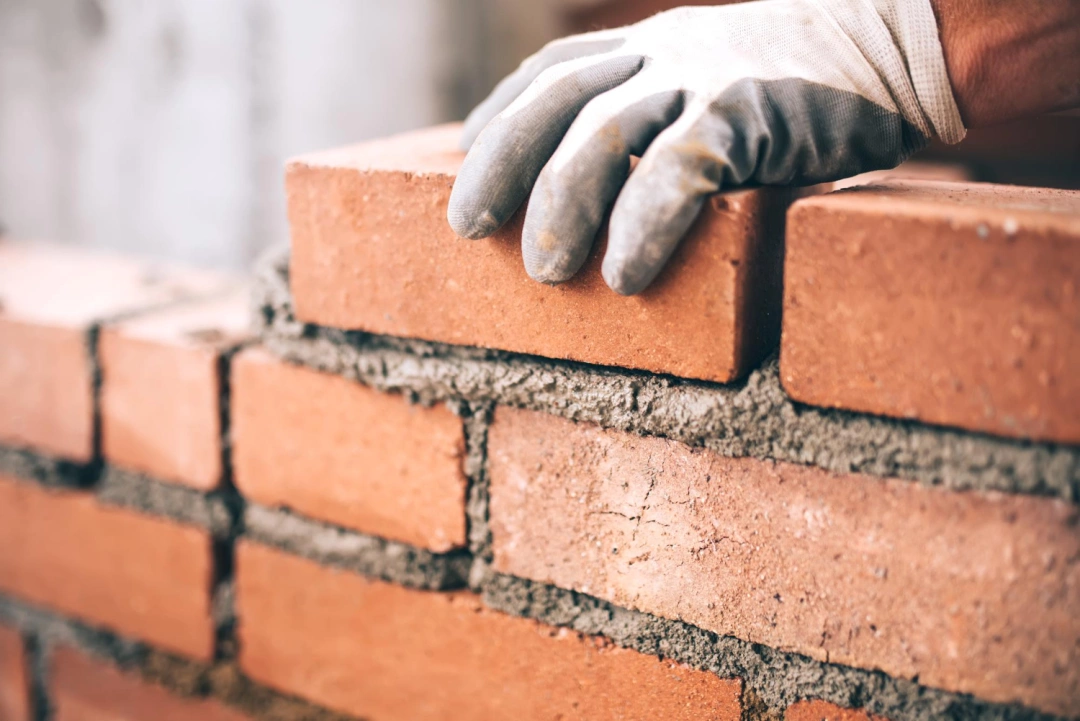
How Much Does Brickwork Cost in the UK?
Brickwork plays a big part in many construction and repair jobs. Whether you're building a new wall, adding an extension, or fixing an old property, it's important to understand the costs involved before starting. Knowing the typical prices for different brickwork jobs can help you plan your budget. It can also stop you from getting caught out by hidden charges or paying too much for labour or materials.
This article looks at the average cost of brickwork in the UK. It also explains what affects prices, how to compare quotes, and ways to keep your spending under control. The guide is easy to follow, even if you don’t have building experience.
Cost Breakdown for Common Brickwork Jobs
The price of brickwork depends on the type of job, the size of the area, the materials used, and the time needed to complete it. Some jobs are simple, while others need more effort or specialist skills.
Building a Garden Wall
One of the most common brickwork projects is a garden wall. These are usually built to mark boundaries, create raised beds, or improve privacy and design in your outdoor space. A small single-skin garden wall, around 1 metre high and 5 metres long, will cost between £700 and £1,200 including materials and labour.
For a larger or double-skin wall, or if you want decorative brickwork such as a curved top or patterned bricks, the cost could rise to between £1,500 and £3,000. Higher costs are likely if you choose unusual bricks or a more detailed finish.
Also, you may need to pay for clearing the ground, removing an old wall, or laying a base if none is in place.
House Extensions and Brick Garages
If you're planning a house extension or want to build a brick garage, the brickwork cost is usually based on area. On average, it ranges from £150 to £250 per square metre. This price includes labour, bricks, mortar, tools, and removing any waste created during the build.
The price may go up if your design includes detailed brick patterns, coloured bricks, or if your site has poor access. Bricklayers might also charge more if the work needs to be done at height or if extra time is needed for a neat finish.
Brickwork for house extensions also needs to match the existing brick type and colour if you want a seamless look. This might mean using reclaimed or handmade bricks, which cost more than regular clay bricks.
Brickwork Repairs and Repointing
Repairing brickwork is often cheaper than starting from scratch, but it still needs care. One common repair job is repointing, which means replacing the mortar between the bricks. This helps protect the wall from weather damage and stops water from getting in.
Repointing normally costs between £30 and £60 per square metre. Prices can change depending on how easy it is to access the wall and how much of it needs to be done. For smaller jobs, you might face a minimum charge of £250 to £400, as tradespeople need to cover their time and travel costs.
If any bricks are damaged or missing, they may also need replacing. Matching the brick style and colour can take time and increase the overall price of the job.
Chimney Repairs and Brick Feature Restoration
Chimneys and older brick features often need extra care, especially in older homes. Rebuilding a chimney stack, adding lead flashing, or fixing cracks in the brickwork can cost between £500 and £2,000.
If scaffolding is needed, the cost will rise. Features such as arches or brick columns may also need skilled work, and restoring listed or historic buildings may require special lime mortar and traditional methods, which also cost more.
Need assistance finding brickwork near you?
Get a QuoteWhat Affects the Price of Brickwork?
Many things can change the total cost of brickwork. The most important being the type and size of the job. A small wall costs much less than a full extension, but the price per square metre might be higher due to setup and travel costs. Bricks also vary in price. Standard clay bricks are the cheapest option, but if you want reclaimed, handmade, or coloured bricks, they can be more expensive. If your job involves unusual shapes or needs to match existing brickwork, this might also raise the price.
Where you live affects the cost too. In cities like London, tradespeople often charge more due to higher living and business costs. In other parts of the UK, labour may be cheaper. Remote or hard-to-reach areas might also lead to added costs for transport and time. Access to the job site is another key factor. If the area is tricky to reach, or if scaffolding or extra tools are needed, the labour time increases. That means higher prices. Jobs that involve working at height, narrow spaces, or handling waste materials also take more effort. Finally, the time of year can have an effect. Bricklayers are busiest in warmer months when the weather is better. During spring and summer, demand is high, which might lead to slightly higher rates.
Comparing Quotes and Choosing a Bricklayer
Once you know what kind of brickwork you need, it's smart to get a few quotes. Aim for at least three from different tradespeople. This helps you see what’s a fair price and what each person includes in their service. Always ask for a visit to your home before they give a quote. A clear look at the job means the quote will be more accurate. Avoid agreeing to a price over the phone unless the job is very simple and you’ve sent photos.
When looking at quotes, don’t just choose the cheapest one. Some may leave out key things like material costs, waste removal, or finishing touches. Check exactly what is included and ask questions if you're unsure. A good bricklayer should be experienced and able to show you photos or details of similar work they’ve done. It’s also wise to look at online reviews or ask for a reference from a past customer. That gives you peace of mind.
Before any work begins, make sure everything is agreed in writing. A written quote or contract should show the full job details, total price, payment plan, and start and end dates. This helps avoid problems later on. Lastly, check that your bricklayer has public liability insurance. This protects you in case anything is damaged on your property while the work is being done.
Budgeting Tips and Avoiding Hidden Costs
Planning your budget properly can help you avoid surprise bills. Even small brickwork jobs can uncover extra work, so it's best to be ready just in case.
Plan for Extras and Unexpected Issues
It's quite common for extra work to be needed once brickwork starts. For example, old bricks might be worse than they looked, or the ground might need extra work before building starts. To stay safe, add around 10 to 15% to your planned budget to cover anything unexpected. This way, you're not caught out if the job becomes more complicated than first thought. It also stops you from having to delay the job while you sort out more money.
Buy Materials Carefully
You might think buying your own bricks and mortar saves money. This can work if you know the exact quantities and types you need. But if you’re not sure, it may be better to let the bricklayer handle it. They often get trade discounts and know what works best for the job. If they do supply the materials, ask for a breakdown of costs so you can compare prices fairly.
Think About Access and Site Needs
Getting to the work area easily helps speed up the job and keeps costs down. If your garden or site is hard to reach, let the bricklayer know when they visit. They might need extra tools or time to get materials in place. Also, check if you’ll need a skip, extra parking, or permission for scaffolding. Sorting these early on can stop delays and stop small costs from building up.
In this article: