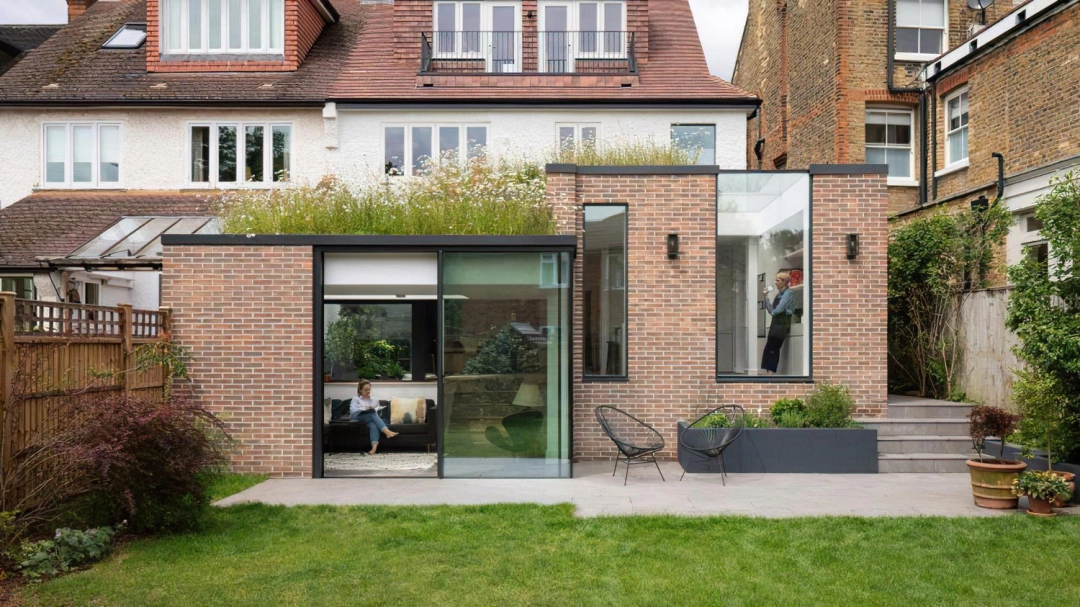
How Brickwork Is Used in House Extensions and What to Expect
Brickwork is one of the most important parts of a house extension. It forms the main structure of the new build and supports everything from the roof to the walls. When chosen and installed properly, brickwork can help the extension look and feel like a natural part of your home.
Good brickwork provides both strength and style. It protects the inside of your home from wind and rain and helps keep warmth in. The look of the bricks also plays a big role in how well the new build blends with the rest of the house.
This article explains how brickwork is used in house extensions. It also covers the planning process, different brick types, the problems with matching old and new bricks, and what to expect from your builder during the job.
Planning Brickwork for an Extension Project
Careful planning of the brickwork will save time and avoid costly mistakes. Good planning includes choosing the right materials, following local rules and making sure the design works well with the existing house layout.
Choosing the Right Bricks
Matching the new bricks to the existing ones is key. Builders usually take a sample of the old brick to find the closest match available. They look at the brick's colour, surface and size to find a good fit.
When an exact match cannot be found, reclaimed bricks are often used. These are second-hand bricks from older buildings. They can provide a closer match in colour and style, especially for homes built many years ago.
Some homes may use new bricks that are specially made to look like older ones. These can be a good option if reclaimed bricks are too costly or hard to find.
Working with Local Regulations
Local councils have rules that must be followed when doing building work. These rules can cover everything from the size of the extension to the type of materials used. Some areas have stricter rules, especially for listed buildings or homes in conservation areas.
Your builder or architect will usually handle planning permission and submit the correct details to the council. They may also provide samples of bricks to make sure the work is allowed before starting.
It is important not to skip this step, as ignoring the rules can cause delays or lead to the work needing to be removed and redone.
Thinking About Insulation
Brickwork is not just for strength and looks. It also plays a role in keeping your home warm. Most new extensions use cavity walls. These have two layers of bricks with a gap between them filled with insulation.
Proper insulation reduces heat loss and keeps the home warmer in winter and cooler in summer. It also lowers your energy bills and improves the home's energy rating.
Your builder must make sure the insulation meets current standards and is installed properly. Poor insulation can cause damp, heat loss and higher energy use.
Deciding on the Layout
The layout of the extension needs to support all key parts of the house. The brick walls must carry the weight of the roof and provide strong support for windows and doors. This is planned carefully to ensure the build is safe and meets regulations.
Each opening in a wall, such as a door or window, needs extra support at the top. This is often done using a lintel, which is a beam made from steel or concrete placed above the opening inside the wall.
Drainage, airflow and structural load are all considered at the design stage. This helps prevent issues such as damp, cracks or sagging over time.
Need assistance finding brickwork near you?
Get a QuoteTypes of Brickwork Commonly Used in Extensions
There are different types of brickwork used in home extensions, depending on where and how the bricks will be used. The right type of brick helps ensure the wall is strong, insulated and looks right next to the existing house.
Facing bricks are used on the outside of the house where they are visible. They are chosen for their colour, shape and finish to match or blend with the current building. These bricks make the extension look clean, tidy and in line with the original home.
Common bricks are used in places where they will not be seen, like inside walls or behind plaster. They are strong but usually less neat in appearance. These bricks are often cheaper and used to save on cost while still offering support.
Reclaimed bricks are old bricks taken from other buildings. They are often used when a weathered, aged look is needed. These are popular for older homes or when rules require the extension to match the style of a historic building.
Cavity walls are the most common type in new extensions. They use two layers of brick with a gap in between, which is filled with insulation. This method improves energy use, stops moisture from entering and helps the walls last longer.
Challenges of Blending Old and New Brickwork
One of the hardest parts of brickwork in house extensions is making the new part match the old one. Even if the same bricks are used, the older walls may have faded or weathered, which can make the new bricks stand out too much.
Sunlight, rain and age all affect the way bricks look over time. The older the house, the more likely the bricks have changed colour. New bricks will appear clean and fresh, which might highlight the line between old and new walls.
Another factor is the mortar used between bricks. If the mortar in the extension is too light or dark, the difference will be clear. Builders often tint the mortar or adjust its mix to match the older work as closely as possible.
Some builders also treat the new brickwork to help it match the older surface. This might include gently ageing the bricks or applying a soft wash. Even with these steps, it may take time for the new brickwork to weather naturally and blend in more fully with the house.
What to Expect from Your Builder During the Process
A good builder should make the whole process clear and simple to follow. From planning to laying the final brick, your builder should work with care and keep you informed throughout the job.
Clear Planning and Communication
Before starting, your builder should provide a full plan of the work. This includes what they will do, how long it will take, and what materials they will use. You should be told how they will match the brickwork and how they plan to solve any problems that may arise.
You should also be given regular updates. This allows you to ask questions, see how the work is going and raise any concerns early. Clear, friendly communication makes the job less stressful and helps it finish on time.
Skilled Bricklayers and Quality Checks
Skilled bricklayers will do more than just build a wall. They will ensure it is level, neat and strong. The right spacing between bricks, the right mortar mix and the proper layout all matter.
Throughout the build, your builder should check the quality of the work. This means fixing any problems early and ensuring that the whole extension is built to a high standard. Regular checks also help avoid costly repairs later on.
Respect for Your Home and Safety
Builders should treat your home with respect. This includes keeping the area tidy, removing waste regularly and storing bricks and tools safely. If you are living at home during the build, they should reduce noise and dust where possible.
The builder should also follow safety rules at all times. Signs, barriers and safety checks protect you, your family and the workers. A clean, well-run site is a sign of a builder who takes pride in their work and values your home.
In this article: