Is Mobile Welding a Better Option Than Workshop Welding?
Welding is a crucial part of many industries. It is the process of joining two or more metal parts together using heat or pressure. Whether in construction, farming, transport, or heavy equipment repair, welding plays an important role in making and fixing metal structures and parts.
As welding services have grown, two main types have become common. These are mobile welding and workshop welding. Mobile welding brings the welder and tools to you, while workshop welding is done at a fixed location where larger and more advanced tools are available.
Each method has its place, and both offer useful solutions depending on the task. This article looks at how the two types compare, what benefits they offer, and how to choose the right one for your project. No matter your location or job size, understanding your options helps you make the most of your time and money.
Key Differences Between Mobile and Workshop Welding
While both types of welding aim to join metal parts, they differ in their setup, tools, location, and practical uses. Here are the main ways they stand apart. Being clear about these differences helps you avoid delays and avoid costs you might not expect.
Location and Flexibility
Mobile welding happens at your location. This could be your home, farm, business, or a construction site. It is ideal for jobs where moving the item would be too hard or costly. This type of welding is also useful in urgent situations where a quick fix is needed.
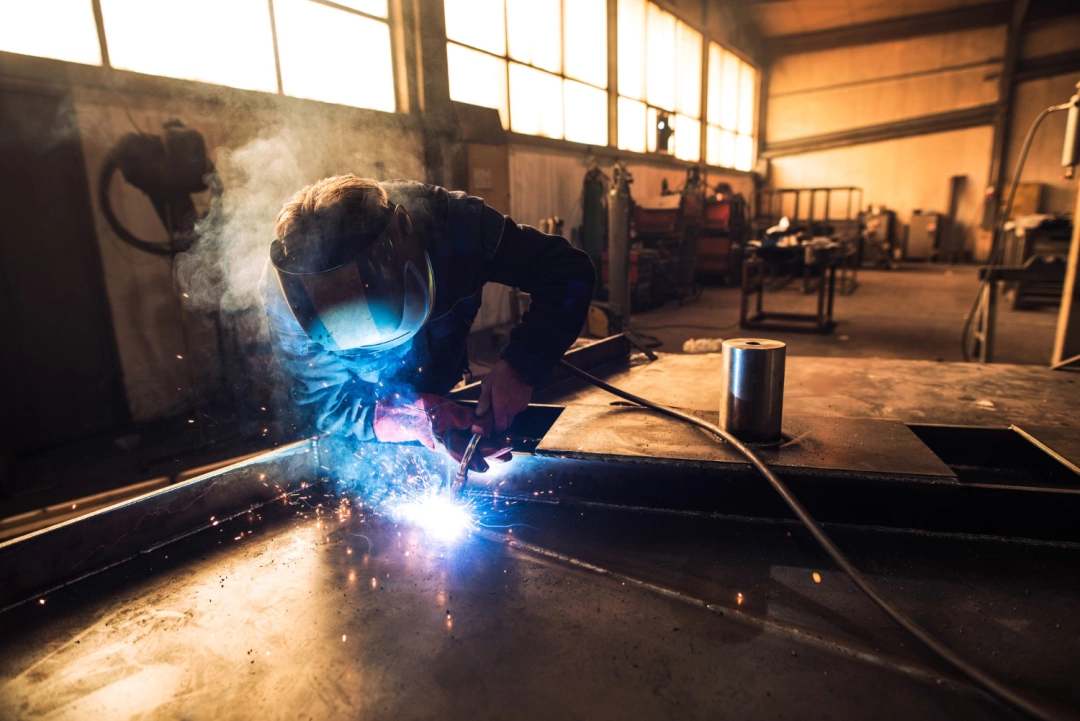
Workshop welding takes place in a fixed building or unit. All the welding tools and machines are kept in one place. Jobs are usually brought to the workshop for welding to be done in a clean and organised setting. This setup allows for consistency, which is often harder to achieve on a work site with limited space or power.
Equipment and Power Supply
Mobile welders rely on portable gear. These include welding machines, fuel tanks, and tools that can be set up at different sites. Although modern portable tools are strong, they are still limited compared to workshop machines, particularly when dealing with very thick metal or advanced welding techniques.
Workshops have full access to heavy-duty power, high-tech tools, and fixed workstations. These make it easier to work on bigger or more complex items. The environment is better suited for high-precision jobs, and the ability to switch between multiple tools helps speed up the work. This is especially useful for tasks that involve fine shaping or tight fitting.
Job Size and Difficulty
Mobile welding is best for smaller tasks, quick repairs, or outdoor structures like fences and gates. It also suits farms, where equipment is large and hard to move. It may not be the best choice for projects that need close detail or advanced cutting tools.
Workshop welding is better for big projects or when detail and polish matter. It is often used in car bodywork, structural steel work, or metal parts that must fit together perfectly. The controlled space helps keep quality high, and all the right machines are available to get the job done right the first time.
Time and Cost
Mobile welding can be faster in terms of setup and finish, especially for small jobs. You also avoid the trouble and cost of transporting heavy or fixed equipment. However, mobile welders may charge for travel and setup time, especially if the job is far from their base.
Workshop welding can be cheaper for longer tasks. Since all tools and power sources are on site, less time is spent setting up. Jobs are often completed faster, which can save money overall. Also, multiple welders may work on the same project at once, which helps with larger or more detailed tasks.
Need assistance finding welding near you?
Get a QuoteBenefits of Choosing Mobile Welding Services
Mobile welding is becoming more common, and for good reason. It suits people and businesses who want quick results, less disruption, and flexible working hours. One of the biggest benefits is on-site convenience. If you have a gate, trailer, or machine that is too big to move, the welder comes to you. This means no need for special transport, booking times, or lifting gear to get it to a workshop.
Mobile welding is great for repairs that need urgent attention. If a fence is broken or a machine part has come loose, a mobile welder can come out quickly to fix it. This avoids downtime and helps prevent bigger problems later. The service is also tailored to your needs. You can book at times that suit you, including weekends or evenings. This is useful for farms, building sites, or shops that don’t want to stop their work during the day. It also allows more freedom for clients who may only be available outside of working hours.
On-site welding also lets the welder see the full picture. They can check how the damaged item is used, how much stress it takes, and what caused the break. This often leads to stronger repairs that last longer. Lastly, there is less handling and less risk. You do not need to carry sharp, broken, or heavy items around. The welder brings everything and works safely on site, which can reduce injuries and damage to nearby surfaces or tools.
Advantages of Workshop-Based Welding Work
Workshop welding offers its own strong benefits. These make it a better choice for some jobs, especially when accuracy and strength are important. The biggest strength is access to professional tools. Workshops use large machines, such as plasma cutters and hydraulic presses. These machines can shape, cut and join metal more neatly than portable tools. Advanced welding tools in a workshop allow for stronger welds that are more likely to pass inspections or meet strict safety rules.
Workshops also provide a safer and steadier place to work. Lighting, power, airflow and space are all designed for welding. There are fewer risks from wind, rain, or unstable surfaces like mud or sand, which helps improve safety and reduce delays. Jobs done in workshops often have a cleaner and smoother finish. This is useful for metalwork that will be seen or touched, such as shop signs, metal stairs or decorative rails. A more polished end product is easier to paint or coat and lasts longer in outdoor weather.
In busy workshops, several welders may work together. This means bigger tasks can be split and finished more quickly. Extra help also improves safety, as workers can check each other’s steps and spot problems early. If tools break or supplies run low, backup is usually on hand. Workshops are best for long jobs that take planning, measurement, and testing. If your job involves several steps, or if parts must fit exactly, then workshop welding is the safer and more stable choice.
Which Welding Option Is Right for Your Project?
Deciding between mobile and workshop welding depends on what your project involves. You should think about size, cost, time, and the finish you want. Below are three simple checks to help you decide. Keep in mind that both services often overlap in what they can achieve, so the choice may also come down to your own preferences or how quickly the work must be done.
Where Is the Job Located?
If the item is too large, fixed to the ground, or would cost a lot to move, then mobile welding makes more sense. Jobs like gates, trailers, farm machinery or fences are often done on-site to save time and effort.
But if the item can be moved easily, and the job needs high accuracy, it may be better to take it to a workshop. There, the welder has full access to tools and space for clean, lasting results.
What Is the Goal of the Project?
Quick fixes, patch jobs or support structures are usually fine with mobile welding. If you just need something fixed fast, and the look is not the top concern, mobile welders will do the job well.
If the end result must look perfect, hold a lot of weight, or fit closely with other parts, you may need workshop welding. This includes custom gates, car frames, or anything that needs shaping and testing. You may also want to choose a workshop if several welders are required to complete the work within a tight deadline.
How Much Can You Spend?
Mobile welding may charge more per visit, but you avoid transport fees and get work done on your terms. For small or one-off jobs, this can be a fair and quick solution.
Workshop welding is often cheaper for long or tricky projects. With better tools and faster setups, more work gets done in less time. If you want strong, clean welds at a steady pace, workshop welding offers good value.
In this article: