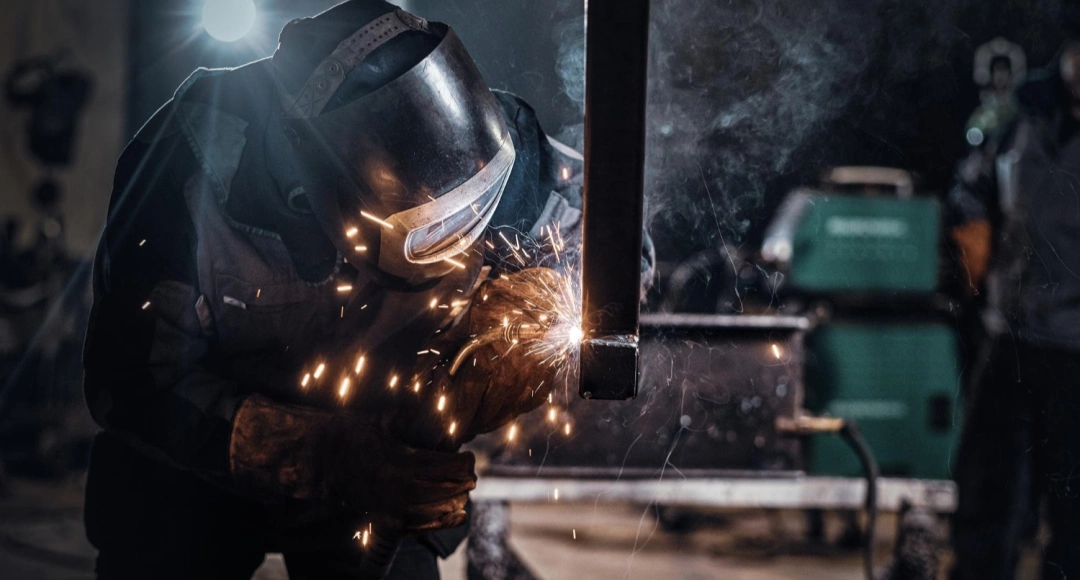
Which Type of Welding is Best for My Project?
Choosing the best type of welding for your project is important. It helps make sure your finished item is strong, safe, and built to last. Welding joins pieces of metal together using heat and, sometimes, pressure. There are different methods of welding, and each one works better in different situations.
Whether you are fixing something at home, working on a new build, or creating a custom metal piece, the type of welding you choose can affect the result. It also changes how long the job takes, how much it costs, and the kind of finish you get in the end. This article will help you understand the main types of welding, explain when to use each one, and guide you on how to pick the right method for your project. If you plan to hire a professional welder, we will also give some tips on how to work with them well.
Understanding the Main Welding Methods
Welding is a common process used in building, repairing, and shaping metal items. There are several main methods that are used for different tasks. Each method has its own tools, skills, and best uses. Understanding the differences between them can help you decide which one suits your needs best.
MIG Welding (Metal Inert Gas)
MIG welding is one of the most common and easiest types to learn. It uses a wire that is fed through a tool called a welding gun. This wire melts and joins the metal pieces together. A gas flows around the weld to protect it from air that could cause problems. This type of welding is great for light to medium metalwork, such as fixing cars or working on home projects. It is quick and neat, and it works well on thinner metals like mild steel. One thing to remember is that it is not the best choice for outdoor use, as the wind can blow away the gas needed to protect the weld.
TIG Welding (Tungsten Inert Gas)
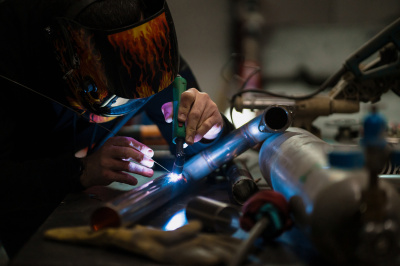
TIG welding uses a different method. Instead of a wire that feeds automatically, the welder controls the heat and adds filler material by hand. It takes more practice and skill, but it gives clean, detailed results that look very neat. This method is used when appearance and accuracy are important. It works well for things like bike frames, stainless steel kitchen items, or thin aluminium. TIG welding is slower than other types and may cost more, but it is worth it for projects that need a tidy and strong finish.
Stick Welding (Shielded Metal Arc Welding)
Stick welding is one of the oldest and most widely used forms of welding. It is often used on construction sites or for repair work. It uses a metal rod, called an electrode, that melts and joins the metal as it burns. A special coating on the rod makes a gas cloud that protects the weld. This type of welding works well on thick metal and can be used outside, even in bad weather. It does not need extra gas, and it can handle dirty or rusty surfaces. It is a good choice for farm repairs, gates, or heavy steel frames. The main downside is that it creates more splatter, and the welds may not look as clean.
Flux-Cored Welding
Flux-cored welding is a mix between MIG and stick welding. It uses a wire like MIG, but the wire is filled with a special powder called flux. When it melts, the flux creates a gas that protects the weld. This means you do not need a gas tank. This type is good for outdoor jobs and works well on thick materials. It is more powerful than MIG but easier than TIG. It can also be used for both small and large tasks. Many people like it for its speed and strength, especially in outdoor or workshop jobs.
Need assistance finding welding near you?
Get a QuoteComparing Welding Techniques for Different Situations
Each welding method has its own benefits and is better suited for certain situations. Some work well indoors, while others are better outside. Some methods are easy to learn, while others take more training. If you are working on thin metal in a clean indoor space, MIG welding is a fast and simple choice. It is often used by beginners and hobby welders. It gives neat results on small jobs and can be done with basic training.
TIG welding is ideal when the look and strength of the weld are very important. It is used in industries where clean joins and fine detail matter. This includes food processing, aircraft work, and art projects. It takes longer but gives high-quality results.
Stick welding is the go-to choice for outdoor jobs, heavy construction, or rough repairs. It works in all weathers and on unclean metal. It is widely used in building sites, shipyards, and farm equipment repair. It may not look pretty, but it is strong and reliable.
Flux-cored welding is a good middle ground. It is strong like stick welding and faster than MIG. It also works outside without extra gas. It is used in bridge building, steel framing, and even some car repairs. It is a popular method for experienced welders who need flexibility. Some projects may use more than one welding method. For example, a large steel frame may be stick welded in one part and then finished with MIG for cleaner edges. Combining techniques can give both strength and a good finish.
How to Choose the Right Welding Method for Your Project
To pick the right welding method, think about the materials you are using, where the work will happen, how neat the finish needs to be, and how much experience you have. Each welding method is best for different needs. For example, if you are welding small parts in your garage, MIG welding is simple, fast, and gives a nice finish. If you have more time and need neat results, TIG welding is the best choice. It is perfect for jobs where the welds will be seen and need to look clean.
When working outside or dealing with thick, dirty, or rusty metal, stick welding is a solid option. It is tough, strong, and does not need special gas. It is used on farms, in heavy-duty builds, and when the look is less important than the strength. Flux-cored welding offers speed and strength and can be used indoors or outdoors. If you have some welding experience and need a flexible method, this could be the right choice for your project. It is useful for many mid-to-large builds and repairs.
Also, think about the tools you already have. Some types of welding need gas tanks, special machines, or a clean area to work in. Choose a method that fits your tools, skills, and the space where you will do the welding. If you are unsure, speak to a welding supplier or a professional for advice. They can help guide you to the method that suits your job, materials, and budget best.
Tips for Working With a Welding Professional
If you are hiring a welding expert, it helps to plan ahead and share clear information. A good welder will work with you to make sure the project goes well. Here are a few tips to make the process smooth and successful.
Be Clear About Your Needs
Explain exactly what you need the welder to do. If the welded item will hold weight, face bad weather, or be seen by customers, tell them. The more they know about the end use, the better they can plan the weld. Bring photos, drawings, or notes to show your ideas. This helps avoid mistakes and saves time during the job. Being clear also helps you get a fair price and a correct timeline.
Ask About Their Skills and Past Work
Not all welders are the same. Some are better at neat TIG welds, while others handle rough stick welding. Ask about their training and experience with projects like yours. You can also ask to see past work or reviews from other clients. A good welder will be happy to show you what they have done and explain how they work.
Talk About Timing and Cost
Before starting, agree on how long the work will take and what it will cost. Welding jobs can vary in time depending on the method, size of the job, and materials used. Get a clear quote that includes tools, labour, and any extra costs. This helps you plan your budget and avoid surprises. Always ask questions if anything is unclear before work begins. It is also a good idea to check what guarantees or support the welder offers after the job. Knowing they will return to fix any issues can give you peace of mind.
In this article: