What Welding Services Do UK Construction Projects Commonly Need?
Welding is an essential service in construction projects throughout the UK. Whether it's building homes, commercial spaces or major public structures, welding is needed to ensure strong and lasting metalwork connections.
This process fuses metal parts together using high heat, creating solid joints that can handle heavy loads and daily stress. It plays a key role in nearly every kind of construction project, from setting up the main framework to carrying out specialist work.
In this article, we explore the most common welding services required in UK construction, including those used on typical building sites, infrastructure projects and specialist tasks. We will also look at the importance of safety, training and regulations in this line of work.
Core Welding Services Required on Building Sites
Most construction projects involve welding at one or more stages. It is used in everything from groundwork and base structures to the installation of roofs, railings and support systems. Here are some of the key welding services used on building sites across the UK.
Structural Steel Welding
Structural welding is among the most common and important tasks. It involves joining steel beams, columns and girders to create the core framework of buildings. These parts form the skeleton that supports walls, roofs and floors.
MIG and stick welding are frequently used for these large, heavy-duty joints. Precision is crucial, as even a small mistake can affect the whole structure. Welders follow detailed blueprints and must be skilled at working at height or in variable weather conditions.
Each weld is typically inspected to make sure it meets strength and safety standards. Poor welds could weaken the frame, leading to long-term issues or failure during extreme conditions like storms or earthquakes.
Many modern developments, especially high-rise buildings and industrial sites, also require full documentation of all welding work. This helps with future maintenance and shows compliance with national building codes and safety regulations.
Pipe Welding
Buildings need many types of pipework for systems such as water, heating, gas, drainage and sometimes even fire protection. These systems often require pipe welding, especially when large sections need to be joined on-site.
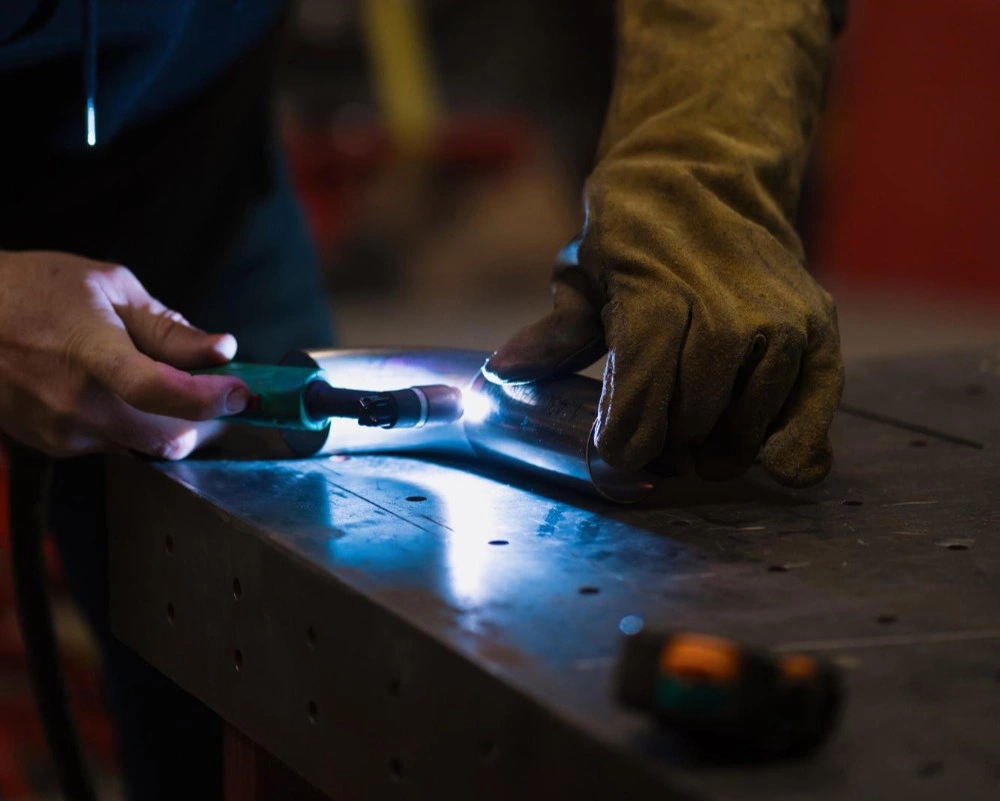
Depending on the material and thickness, welders may use TIG or MIG welding to make neat and secure pipe joints. Stainless steel and copper are often used in modern plumbing and require experienced welders to achieve reliable results without leaks.
These welded joints help to prevent costly water damage or gas leaks in future, making this service essential for safety and long-term performance. Welders may also need to collaborate closely with engineers and other trades to ensure correct alignment and system flow.
On-site Repairs and Modifications
Construction sites are dynamic environments, and unexpected changes can occur. Materials may get damaged during transport, or design updates may call for new metalwork sections or attachments.
Mobile welding units can travel to the site and carry out urgent repairs, reinforcements or reworks. This can include adding extra steel brackets, fixing cracked joints or replacing corroded metal parts.
Such services allow the project to stay on schedule without waiting for off-site fabrication, making them a cost-effective and time-saving option for many building companies. They also reduce waste by allowing materials to be reused and repaired on the spot.
In addition to these larger tasks, welders often install smaller but essential components like metal brackets, anchor points and support plates. These fixings are used to secure lighting systems, HVAC units, safety rails and more. Even though they may seem minor, their quality and strength are vital for the safe operation of the building. Well-executed welds in these areas also improve the ease of future installation and maintenance by other trades.
Need assistance finding welding near you?
Get a QuoteWelding for Infrastructure, Maintenance and Repairs
Welding is not just used in new building projects. It is also vital in maintaining and repairing the UK's infrastructure. Bridges, tunnels, road barriers, train lines and even public spaces often need welding services to remain safe and functional. Bridge repairs are one of the most visible uses. Over time, steel bridges can develop cracks, corrosion or joint damage due to weather, water and traffic loads. Welders are brought in to fix or reinforce these structures, often working under strict conditions and deadlines.
In tunnels and underground systems, welding may be used to support frames, fix panels or strengthen worn areas. These jobs may take place in low light or tight spaces, requiring welders to be adaptable and highly skilled. For roads, welding is used on railings, crash barriers, traffic signs and lighting poles. These items must stay firmly attached to their foundations, especially in high winds or collisions. Welders ensure they remain fixed and safe to use.
Public buildings and heritage sites sometimes need sensitive welding work to restore or preserve older metal parts. This might involve blending modern welding techniques with older construction styles without damaging the original structure. Repairing heritage ironwork or restoring traditional gates and fences often calls for highly precise and respectful welding practices.
Compliance and Certification in Construction Welding
In the UK, welding used in construction is governed by strict rules and guidelines. These aim to ensure that all work is safe, durable and performed by trained professionals. Failing to follow them can lead to serious problems, including safety risks, fines or project delays. Most welders on UK construction sites must hold valid qualifications, such as those set out in BS EN ISO 9606. This standard confirms a welder's ability to perform specific types of welding on various materials and positions. Regular testing and re-certification help to maintain quality across the industry.
For each task, a welding procedure specification (WPS) may be used. This document outlines how the weld should be done, including the type of weld, materials, gases, temperatures and tests required. Following the WPS ensures that all welds meet the necessary performance level. Site inspections often include checks of each welded joint. These may be done visually or using advanced tools like X-rays or ultrasound to detect faults not seen on the surface. If any weld fails, it must be redone to meet standards before the project continues.
Health and safety laws also require welders to use proper protective clothing and tools. Fire risks must be controlled, especially in closed spaces or near flammable materials. Welders must be alert and cautious at all times. Employers must also provide adequate training and supervision, especially for junior or apprentice welders on active sites.
Specialist Welding Services for Complex Construction Needs
Some construction jobs demand more than standard welding. These specialist services help when materials are unusual, spaces are difficult to reach or when looks are as important as strength. They are especially common in large commercial projects, public buildings or modern designs with unique features.
Aluminium and Stainless Steel Welding
Aluminium and stainless steel are often used in kitchens, hospitals, clean rooms, lifts and external cladding. They resist rust and are lightweight, but also need special care when welding due to their heat properties and thinner structure.
TIG welding is usually the method of choice here, as it allows for better control and cleaner joins. Welders working with these metals must be trained to avoid warping or burning the material and to ensure an even finish. These materials are often more expensive, so avoiding waste and errors is very important to project budgets.
Welding in Confined or Difficult Spaces
In some projects, welding must take place in very tight areas such as under floors, inside frameworks or above ceilings. These tasks are often done during repairs, upgrades or inspections in older or hard-to-access buildings.
Special tools, compact machines and clever positioning are needed to carry out these welds without damaging other systems. Welders must also be trained in confined space safety procedures to avoid health or injury risks. Often, they work alongside health and safety officers to assess each task before beginning.
Architectural and Decorative Welding
Modern architecture often includes visible metal parts such as staircases, balconies, fences and display frames. These need to look clean and sharp while still being strong and safe.
Welders working on these features must have an eye for design and detail. They may polish, grind or shape their welds to match the design style. Each join must blend in smoothly with the rest of the feature and support its full weight or purpose. The final appearance matters just as much as the function, especially in buildings with open metalwork designs.
In this article: