What Metals Can and Can’t Be Welded?
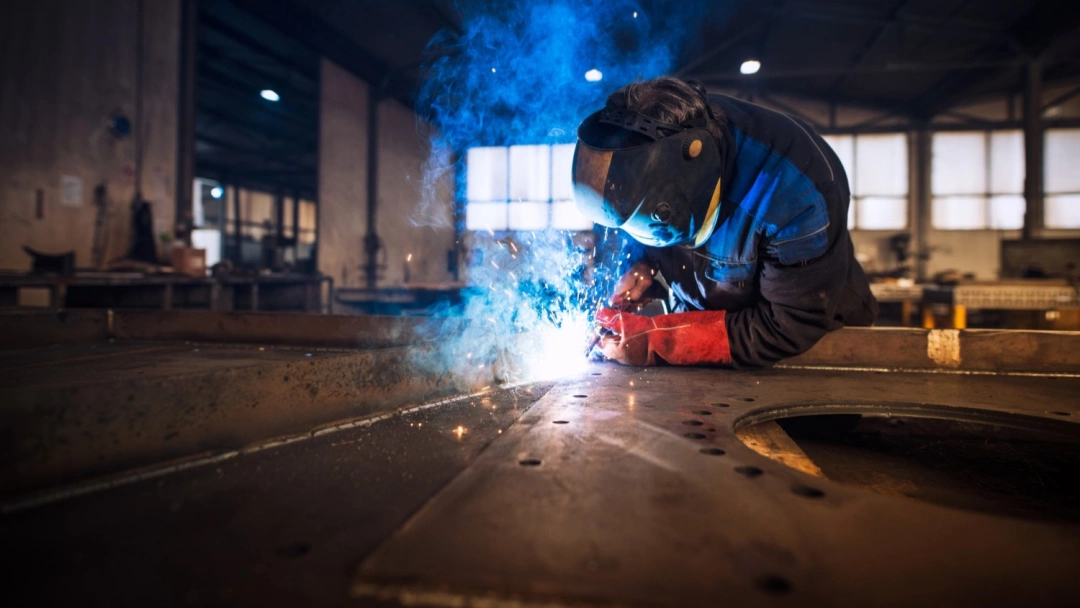
Welding is a common method for joining two or more pieces of metal together. It works by heating the metals until they melt and then allowing them to cool so they fuse into one solid piece.
This method is used in many industries, including construction, automotive repair, shipbuilding, and even small household tasks. But not all metals respond the same way to welding. Some are easy to join, while others are difficult or even dangerous.
In this article, we will explore which metals weld well, which are more difficult, what factors affect weldability, and how you can plan a welding job around the type of metal you're using.
Common Metals That Weld Easily
Some metals are very friendly when it comes to welding. They have simple structures and respond well to heat, which makes them suitable for both beginners and professionals. These metals are often used in many industries because of their reliability during welding.
Steel (Especially Low Carbon Steel)
Low carbon steel, often called mild steel, is one of the easiest metals to weld. It contains a small amount of carbon, which means it is not too hard and doesn’t become brittle after welding.
Because of its flexibility, mild steel is ideal for structures such as bridges, buildings and car frames. It also doesn't need much special equipment, which makes it a top choice for schools and training workshops.
Medium and high-carbon steels can also be welded but may require more control and care due to the risk of cracking when cooling too fast.
Stainless Steel
Stainless steel is well known for its resistance to rust and staining. It is commonly used in environments where hygiene and strength are important, such as hospitals, kitchens and the food industry.
Austenitic stainless steels, like grades 304 and 316, are the easiest to weld. They don’t need preheating and are less likely to crack. However, because stainless steel reflects heat more than mild steel, it can be tricky to control heat flow. Welders must pay close attention to prevent warping or burning through the metal.
Aluminium
Aluminium is a lightweight metal often used in aircraft, boats, and bicycles. It is also used in window frames and doors. While it can be welded, it is more challenging than steel because it conducts heat quickly and forms a surface oxide layer that must be removed before welding.
Aluminium also has a lower melting point, meaning it can melt through easily if too much heat is applied. Welders usually use TIG welding to get better control and cleaner results. Pre-cleaning is essential, and sometimes a special flux is used to help the weld form properly.
Nickel Alloys
Nickel alloys are used in tough environments, including power plants, aircraft engines and chemical factories. These metals can handle high heat and pressure without breaking down.
Many nickel-based alloys can be welded without much trouble if cleaned properly beforehand. They are also known for keeping their strength even in extreme temperatures, making them ideal for demanding jobs. Using the right filler metal and keeping the joint clean are key to a successful weld.
Need assistance finding welding near you?
Get a QuoteMetals That Are Difficult or Risky to Weld
Some metals can be welded, but they present special challenges that require experience, planning and care. Others are too dangerous or impractical to weld in most situations. Understanding the risks helps avoid accidents and poor results.
Cast iron is one of the most difficult metals to weld. It contains a lot of carbon, which makes it very hard but also brittle. When heated quickly, it can crack. Welding cast iron requires slow heating and cooling, and even then, it might not hold up well. Titanium is strong and lightweight, used in aircraft and medical implants. It can be welded, but only under strict conditions. Titanium reacts quickly with air, so it must be protected with a special gas during welding. Even small amounts of oxygen or moisture can cause problems, weakening the joint.
Magnesium is another light metal, but it can catch fire easily in powder or chip form. This makes it dangerous in some welding situations. Special techniques are needed to control the risk of fire and avoid damage to the metal. Other metals like lead and zinc have low melting points and give off harmful fumes when heated. Welding them requires excellent ventilation and safety equipment. Copper, although common, can be difficult to weld because it conducts heat very quickly, meaning the welder must adjust settings often and move quickly to avoid overheating.
What Affects Whether a Metal Can Be Welded?
The ability to weld a metal depends on several different factors. These include its chemical makeup, how it handles heat, and whether it reacts to air or moisture during the process. Knowing these traits helps choose the right approach for the job. Carbon content is one of the most important things to check. Metals with high carbon, like tool steel or cast iron, are harder to weld because they may crack during or after welding. Lower carbon content usually means easier welding.
Metals that form oxide layers, such as aluminium, must be cleaned well before welding. These layers can block the weld from forming properly. Using a stainless steel wire brush or a chemical cleaner before starting helps avoid these problems. The metal's melting point also matters. If it's very low, it may melt too fast or burn through before a proper joint is formed. If it’s very high, more powerful equipment may be needed.
Some metals react strongly with air, especially when hot. Titanium and magnesium, for example, can be damaged or made weaker if they touch air while being welded. Shielding gases like argon or helium are used to protect the metal during the weld. Finally, cleanliness makes a big difference. Dirty, oily, or rusty metals often produce poor welds. Taking time to clean the surface can mean the difference between a weak joint and a strong one.
How to Plan a Welding Job Around Your Chosen Metal
Each metal has its own needs when it comes to welding. To get the best results, it's important to plan your job carefully based on the metal you're using. This means understanding its properties, choosing the right tools, and preparing your work area properly.
Know the Metal Type and Its Properties
Before starting, identify the metal. If you’re not sure what it is, you can test it with a magnet, observe its colour, or even use a spark test. Different metals act in different ways, and using the wrong method can lead to failure.
Once you know what you're working with, learn how it behaves. For example, metals that are hard and brittle need more careful heating and cooling. Softer metals may need lower heat settings to avoid melting through.
Choose the Right Welding Method
Welding methods vary. MIG welding is fast and good for thicker metals like steel. TIG welding gives more control and is better for thin or delicate metals like aluminium. Stick welding works well outdoors or in rough conditions.
Choosing the correct welding method also means picking the right filler material and gas. Using the wrong combination can cause weak joints or poor appearance.
Prepare the Surface and Work Area
Clean surfaces help create stronger welds. Use a wire brush, grinder, or special cleaners to remove rust, paint or oil. This also reduces the chance of holes or bubbles forming in the weld.
Make sure your workspace is safe and set up for the metal you're using. If fumes are a risk, work in a well-ventilated space or use an extraction system. Always wear gloves, safety glasses and the correct clothing to stay safe during the job.
In this article: