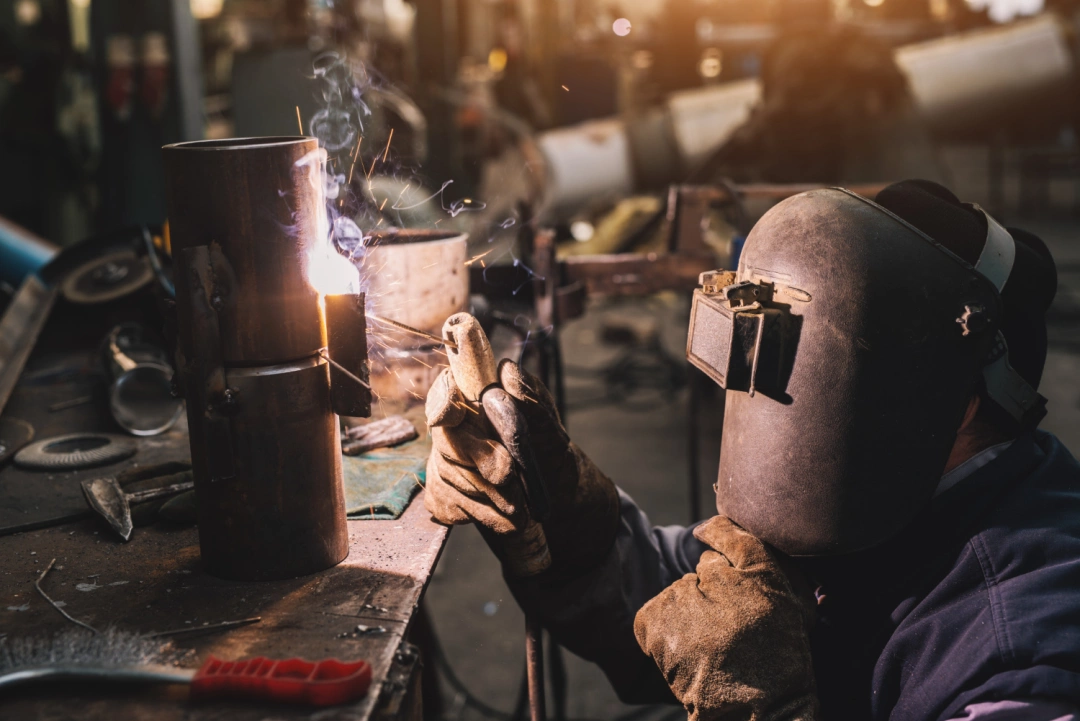
What You Should Know About Custom Welding Services
Welding is an important skill used in many areas of life, from building and repairs to manufacturing and design. It helps connect metal pieces to make strong, lasting structures. Whether it's for large buildings, cars, gates, or art pieces, welding plays a big part in shaping the world around us.
While many welding jobs follow set plans and use common techniques, others require a more tailored approach. These are known as custom welding jobs. Custom welding allows welders to work with special designs, unique materials, and personal requests. It's ideal for jobs where standard solutions just don't fit. This article explains what makes a welding job custom, how prices are worked out, the types of jobs seen in the UK, and what to ask before hiring someone to carry out this work.
What Makes a Welding Job ‘Custom’ Instead of Standard?
Custom welding is different from standard welding because it focuses on unique needs, personal designs, and one-off solutions. It often requires more planning, skill, and attention to detail. These jobs don’t follow ready-made templates. Instead, they are built from scratch or tailored to suit very specific goals.
Let’s look at some of the key parts that make a welding job custom instead of standard.
Tailored Designs and Requirements
In a custom welding job, the customer usually has a very specific design or idea in mind. This might be drawn out, described, or based on something that already exists. The welder then needs to understand this and bring it to life. This may include checking measurements, choosing the right materials, and working to exact instructions. Every item made in a custom job is different from the last. This can be anything from a specially shaped frame to a unique metal gate. Because the work is so specific, it cannot be copied or mass-produced.
Unusual Materials and Tools
Many basic welding jobs use mild steel or basic iron. In custom welding, more advanced or less common materials are often needed. These could include aluminium, copper, stainless steel, brass, or even a mix of several metals. Some of these need special tools to weld safely and correctly. A custom welder might use TIG or MIG machines, plasma cutters, or even advanced clamps and jigs to get everything in the right place. The welder must know how to handle each material and how to stop it from bending, warping, or becoming weak.
Detailed Finishes and Appearances
With standard welding, the main goal is strength and structure. In custom work, the look of the final piece often matters just as much. Welds may need to be neat, smooth, and even hidden. After welding, the metal might be ground down, polished, or coated to stop rust and improve the finish. This is important for work that will be on display, such as furniture, handrails, decorative frames, or public signs. Each detail matters, and the work must be tidy, safe, and attractive.
One-Off or Low Volume Projects
Custom welding usually means making just one item or a small batch. It is the opposite of factory-style production. Many custom jobs are based on a specific request from a single customer. The work may include repairs, restorations, or upgrades that are not available to buy anywhere else. This type of work requires careful planning, since each project may have new challenges. The welder must be flexible and creative in how they solve problems and complete the task.
Need assistance finding welding near you?
Get a QuoteHow Custom Welding Is Quoted and Delivered
Since custom welding jobs are unique, the price can vary depending on the materials, time, tools, and complexity involved. It is common for a welder to give a detailed quote based on what the customer needs. This is very different from buying a product with a set price.
To begin with, the welder may ask for details, drawings, or photos. If the job needs to be done on-site, they might visit the location to measure and inspect the area. Once they know the full scope of the job, they will prepare a quote. This usually includes labour, material costs, machine time, and any travel needed. Some jobs may also include charges for cutting, shaping, painting, or fitting.
Customers should ask whether the quote is fixed or based on an hourly rate. A clear, written quote helps avoid any confusion later. After the quote is accepted, the welder starts the job. Some tasks might take a few hours, but others could last days or weeks. Timeframes should be shared early on, especially if materials need to be ordered in or if the project depends on weather or site access.
Once the welding is finished, the item may be delivered or collected. Some welders also offer installation or fitting as part of the service. If the item needs to be painted or treated to prevent rust, this should also be included in the plan. At the end of the project, both parties should be clear on what is included and what the final outcome will look like.
Common Types of Custom Welding Projects in the UK
Custom welding is used across the UK in many sectors, from farming and industry to home improvement and the arts. Here are some of the most common project types where custom welding is needed.
Architectural metalwork includes items like staircases, gates, fences, balconies, and handrails. These are often custom-made to fit a particular space or style. The welder may work with designers, architects, or builders to make something strong, safe, and attractive. In homes, shops, or offices, this type of work is popular for creating a modern or industrial feel.
Automotive welding is used for modifying cars, vans, bikes, and even racing vehicles. Classic cars often need custom parts that are no longer made. Racing vehicles may need new frames, supports, or cages that meet safety standards. Many owners choose custom welding to repair, restore, or improve the look and performance of their vehicles.
Farm equipment repairs are common in rural areas. Farmers often rely on welders to fix broken trailers, tools, or fencing. A local welder can quickly build parts that fit perfectly, even for older or foreign-made equipment. These jobs are often urgent and need someone who understands how to work with tough outdoor gear.
Furniture and home décor is a growing area of custom welding. Metal tables, chairs, shelving, and beds can be designed to match a customer’s style or space. Some customers also want matching sets or unique designs that they can’t find in shops. Welders can create strong and stylish items for both indoors and outdoors.
Marine and boat work involves repairs and upgrades to metal parts exposed to water. These projects often use stainless steel or aluminium, which resist rust. Welding may be needed for boat rails, hull parts, ladders, and docks. In coastal areas, there is often steady demand for this type of work, especially for fishing boats or pleasure crafts.
What to Ask Before Booking a Custom Welding Service
Before you hire someone for a custom welding job, it’s important to make sure they are the right fit for your project. Asking the right questions can save time and help you avoid problems later.
Do You Have Experience With This Type of Work?
Welders often have different areas of skill. Some focus on cars, others on gates or staircases. Ask if they have done similar jobs before and whether they have photos or reviews to share. This helps you know they understand what you need and can deliver it to a high standard.
What Does the Quote Cover?
Always ask for a written quote that includes labour, materials, travel, and any extra services. If something might cost extra, it should be made clear from the start. You should also ask whether VAT is included. Having everything in writing makes sure there are no surprise costs later on.
What Are the Timescales and Delivery Options?
It’s useful to know how long the job will take and how it will be delivered or installed. Some welders will bring the finished item to you, while others might work on-site. If the job depends on outside conditions like weather or access, be sure to talk about any delays that might happen. This helps keep your plans on track.
In this article: