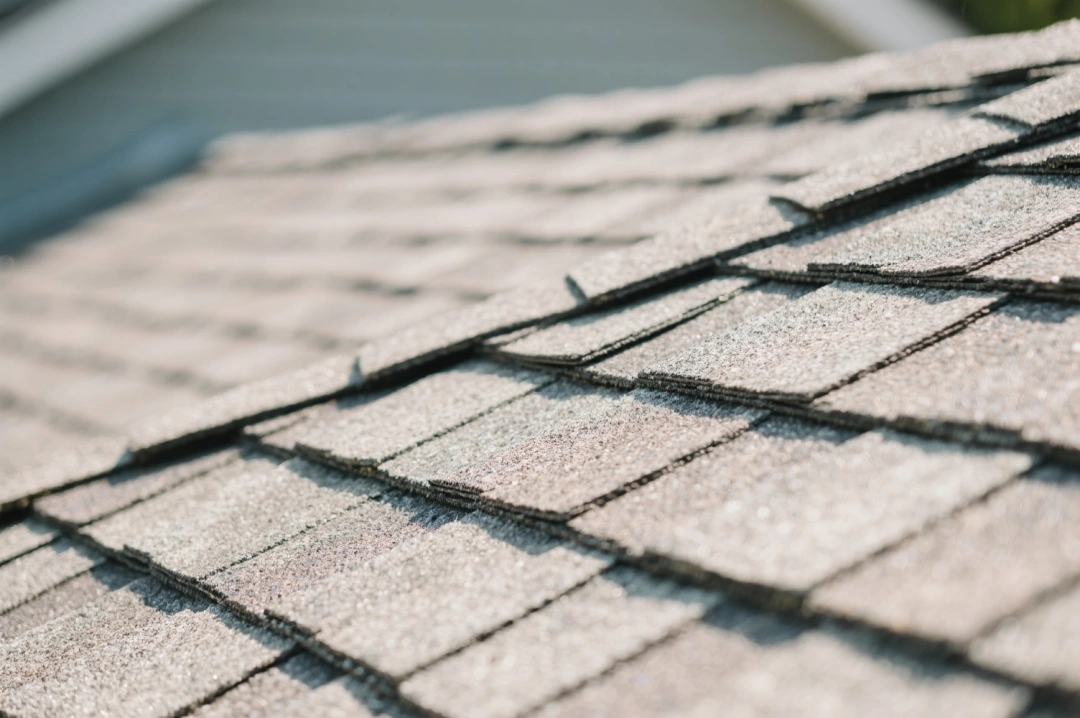
Benefits of Choosing Felt Shingles for Your Home or Garden Roof
Felt shingles are a practical and budget-friendly choice for many types of roofs. Whether you're adding a cover to a garden shed, a workshop, a playhouse, or a small extension on your home, felt shingles offer a great balance of function and appearance.
In this article, we look at the main benefits of felt shingles, explain why they are a good match for the UK climate, and go over the key things to think about before you decide if they are right for your project.
What Makes Felt Shingles a Practical Roofing Choice
Felt shingles have become a common pick for homeowners and garden lovers alike. Their easy installation, long-lasting design, and stylish look make them an appealing solution for many different roofing needs. Below, we break down the main reasons why felt shingles are seen as such a practical option.
Easy to Install
Felt shingles are known for being simple to put in place. They are sold in strips or tiles that are light and flexible, making them easy to carry and fix onto most types of wooden roofs. You do not need expert skills to lay them properly, which makes them ideal for do-it-yourself projects.
As long as you follow the instructions and use the right nails or adhesive, the job can be done without professional help. This makes them perfect for homeowners looking to save on labour costs or enjoy the satisfaction of a completed DIY job.
Because the tools required are basic and the layout method is straightforward, many people can install felt shingles over a weekend. This also means you do not have to wait for specialist roofers, which can be helpful when you are working to a deadline or during a short spell of dry weather.
Affordable Yet Reliable
Felt shingles are often much cheaper than other roofing materials such as slate, metal, or clay tiles. Despite their lower cost, they still offer strong protection from the elements. This combination of affordability and performance makes them one of the best choices for outbuildings and small structures.
Many brands offer good quality felt shingles that meet modern safety and weather standards. This means you can find something cost-effective without compromising on quality or peace of mind. They are a solid investment for short to medium-term projects or buildings that need to be weatherproofed on a limited budget.
Low Maintenance
Once they are fitted, felt shingles generally require very little maintenance. Their design helps them shed water and resist common issues like algae growth or surface cracking. This is important for homeowners who want a roofing solution that doesn’t demand regular inspections or costly repairs.
If one or two shingles do become damaged by wind or impact, they can usually be replaced individually without disturbing the rest of the roof. This makes maintenance simple and much more affordable than other types of roofing that often require larger sections to be redone.
Attractive Appearance
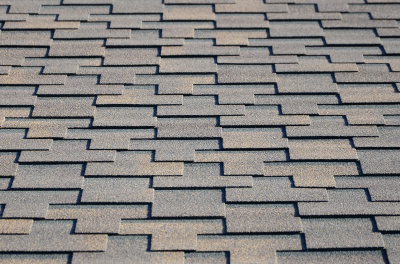
Felt shingles are not just functional — they can also enhance the look of your building. They are available in a variety of colours such as green, red, brown, and grey, and often come in different patterns like square, hexagonal or fish-scale shapes.
This gives you the freedom to choose a look that suits the style of your garden or property. Whether you want something traditional or modern, there is likely to be a felt shingle design that fits. Many people are surprised at how smart and neat their outbuildings look once the felt shingles are in place.
Need assistance finding felt shingles near you?
Get a QuoteWhy Felt Shingles Work Well in UK Conditions
The UK’s weather can be unpredictable. Rain, wind, snow, and sunshine often arrive all in the same week. Because of this, roofing materials need to be tough and flexible. Felt shingles tick both boxes and perform well in a variety of weather conditions common across the UK.
First, they are water-resistant. The surface of felt shingles is treated to repel rainwater and stop it from soaking through. This helps keep the roof structure dry and protected. In heavy rainfall, the overlapping design also stops water from getting underneath the top layer.
Second, they hold up well against wind. When properly installed with the right fixings, felt shingles stay secure even in strong gusts. This makes them suitable for exposed areas like coastal gardens or open countryside where wind damage is more likely.
Felt shingles also stay flexible in cold weather, which is important during winter. Materials that turn brittle in frost are more likely to crack or break, but felt shingles bend slightly rather than snap. This adds to their long-lasting performance in colder climates.
In warmer months, they help prevent heat build-up inside garden buildings by reflecting sunlight. Some types even have UV-resistant coatings that stop the colour from fading too quickly in bright sun. All in all, they are a weatherproof choice that suits most parts of the UK throughout the year.
A Versatile Option for More Than Just Garden Buildings
Many people use felt shingles for garden sheds, but their use can go far beyond that. Thanks to their flexible design and smart appearance, felt shingles can be used for all sorts of outdoor and smaller home structures.
They are perfect for summer houses, garden offices, log cabins, workshops, and even treehouses. If you have a playhouse or dog kennel that needs a new roof, felt shingles can be a charming and practical solution. Their neat finish helps buildings look clean and well cared for, adding to the overall appearance of your garden.
Some homeowners also use them for garages or lean-tos, especially when other parts of the property have a matching roof style. By using the same type of shingle across different buildings, you can create a tidy, joined-up look that pulls the whole space together.
In some cases, felt shingles are even used for small house extensions or porches. This is more common where a lightweight roofing solution is needed, or where visual harmony with outbuildings is the goal. So while they are often seen as a shed-only product, their use is actually much wider and more flexible.
What to Consider Before You Choose Felt Shingles
Felt shingles offer many benefits, but they are not always the best fit for every project. Before choosing them, it’s a good idea to look at a few important factors that might affect how well they work for your specific roof.
Roof Pitch and Design
The angle of your roof plays a big role in how effective felt shingles will be. They work best on pitched roofs that allow water to flow off easily. A flat or very low-pitch roof may not drain well, which could lead to water pooling and slow damage over time.
For more complex roof shapes with valleys or dormers, extra care is needed during installation to make sure no water seeps into tricky corners. Some buildings may benefit from adding a waterproof underlay beneath the shingles to give added protection.
Expected Lifespan
Most felt shingles last around ten to fifteen years with good care. This is often enough for sheds and other garden buildings, but not as long as materials like slate or steel that can last for decades. If you are roofing a building where long-term durability is essential, consider whether the lifespan of felt shingles meets your needs.
However, because they are cheaper to replace and easy to fix in small sections, the overall cost of ownership can still be lower than other materials. For many people, the medium-term performance is more than acceptable.
Environmental Conditions
If you live in an area that faces extreme weather, such as frequent high winds or strong sun, it's worth checking the quality and rating of the felt shingles you plan to buy. Not all shingles are made to the same standard, and some types have extra features like UV resistance or thicker layers for better insulation.
Choosing the right brand or type for your area can make a big difference in how well your roof holds up over time. It’s always better to invest a little more in quality materials than to face early repairs or replacements.
In this article: