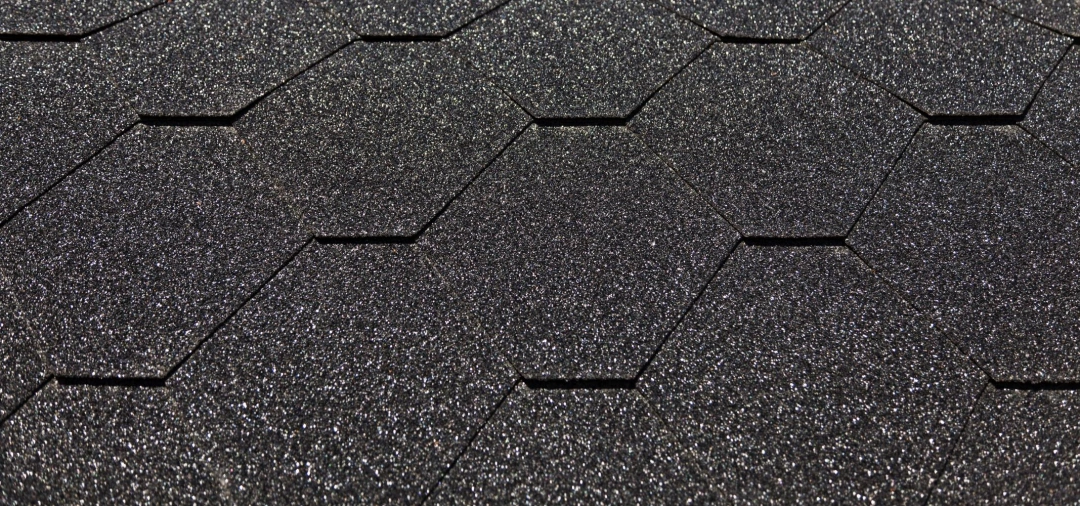
What Are Felt Shingles and Are They Right for Your Roof?
Felt shingles are a common choice for roofing across many types of buildings in the UK. These shingles are made using bitumen and fibreglass or organic materials and are covered in stone granules for added protection. They are known for being simple to install, budget-friendly, and useful for both flat and sloped roofs.
This article will explain what felt shingles are, how they work, and whether they are the right option for your roof. We will look at the reasons why many UK homeowners choose them, as well as situations where they may not be the best fit. We will also offer guidance on how to decide if they suit your home or project.
If you are looking for a cost-effective roofing solution that is easy to fit and offers decent protection, felt shingles might be worth considering. However, like all materials, they come with both advantages and limitations, so it is important to weigh your choices carefully.
Understanding the Basics of Felt Shingles
Before you decide whether felt shingles are suitable for your roof, it helps to know what they are made of, how they are installed, and what their common uses are. Felt shingles are widely used due to their flexibility, low cost, and practical design.
What Are Felt Shingles Made Of?
Felt shingles start with a base layer made from either organic materials or fibreglass. This base is soaked in bitumen, which acts as a waterproof layer. The top surface is then covered with fine stone granules that give the shingles their finished look and protect them from sunlight and wear.
The result is a durable, flexible product that performs well against typical UK weather. The granules help to reduce damage from rain, snow, and UV rays, and also improve the appearance of the roof. Felt shingles are made in different colours and textures to suit different types of buildings.
How Are Felt Shingles Installed?
Installation involves nailing or stapling the shingles to a wooden surface, called roof decking. Shingles are placed in rows, overlapping from the bottom upwards to stop water from leaking underneath. Some versions include adhesive strips that help seal the shingles together once the sun heats them.
This makes the shingles more secure and weather-resistant. The process is straightforward, which is why felt shingles are often chosen by those looking to complete a roofing job quickly and with less labour cost.
Where Are Felt Shingles Commonly Used?
Felt shingles are often used on buildings such as garden sheds, garages, summer houses, and smaller residential properties. They are especially popular for outdoor buildings due to their light weight and ease of installation. However, they can also be used on larger homes depending on the roof design.
Felt shingles are well suited to low-pitched and gently sloping roofs. They are not ideal for completely flat roofs, but they perform well when there is at least a slight angle to help water run off effectively.
How Long Do Felt Shingles Last?
The average lifespan of felt shingles is around 10 to 20 years, depending on the product quality, roof conditions, and installation method. Some high-end felt shingles can last even longer, especially if they are installed by professionals and looked after regularly.
Cleaning the roof, checking for loose shingles, and removing moss or leaves can all help extend the life of a felt roof. With good care, homeowners can enjoy many years of use from this material.
Need assistance finding felt shingles near you?
Get a QuoteWhy UK Homeowners Choose Felt Shingles
Felt shingles have remained a favourite choice for UK homeowners for a number of reasons. One of the most appealing is their low price. They offer an affordable way to protect a roof without the higher costs linked with tile, metal, or slate roofs. This makes them ideal for people on a tight budget or those needing a quick repair.
Another key benefit is ease of installation. Felt shingles can be fitted by skilled DIY users or professionals in less time than many other roofing types. This reduces both labour time and cost, which can be useful for those in a hurry or dealing with weather damage.
Felt shingles are also light in weight, which means they do not place extra stress on the roof structure. This is especially helpful for older buildings, timber sheds, or outbuildings where heavier tiles might cause issues.
Homeowners can also find a range of designs and colours. Modern felt shingles are no longer just grey and flat. They come in styles that can match different property types, from traditional to modern, which improves the roof's appearance while staying within budget.
Situations Where Felt Shingles Might Not Be the Best Option
While felt shingles are suitable for many situations, they do have some limits. One of the main concerns is their shorter life when compared to materials like clay tiles or metal sheets. If you are after a roof that will last 30 years or more, felt shingles may not be the right fit.
In areas that face strong winds, storms, or frequent heavy rain, felt shingles can become loose or damaged over time. Although proper fitting helps reduce this risk, other materials are often more resistant to harsh weather in the long run.
There is also the matter of appearance. Despite improvements in design, some homeowners still view felt shingles as a lower-end option. If you are thinking about selling your home soon and want to boost the look or market value, you may prefer a more traditional roof covering like slate or tile.
Lastly, it is important to check with your local council or planning authority. Certain properties, such as listed buildings or homes in conservation areas, might have restrictions on which materials can be used for roofs. Felt shingles may not always meet these rules, so planning ahead is essential.
How to Decide If Felt Shingles Are Right for Your Property
There is no single roofing option that fits every home. When deciding if felt shingles are right for your building, you will need to consider your needs, location, and long-term plans. Below are some key points to help you make a smart decision.
Think About the Type of Building
If you are working on a garden shed, garage, summer house, or outbuilding, felt shingles are often the best match. They are affordable, quick to install, and easy to replace if needed. For main houses, the decision may depend on how long you want the roof to last and what kind of weather your area faces.
For homes in more sheltered areas, or if you plan to upgrade later, felt shingles can offer a good short or medium-term solution.
Compare Cost and Lifespan
Felt shingles are less expensive upfront than many other materials. If cost is a key concern, they make a sensible choice. But if you want a roof with fewer long-term repairs or replacements, you may need to spend more at the start on a longer-lasting option.
Think about your budget not only for the installation, but also for possible upkeep or future replacement. This will help you avoid surprises and make a plan that works in the long term.
Review the Look and Feel
Some people choose roofing based on looks as well as cost and strength. Felt shingles now offer a wider choice of styles, which means they can suit many types of homes. Still, if you want a roof that adds strong visual value or matches older features, tiles or slate may be a better fit.
Make sure to view samples or pictures before choosing, and consider how the roof will look next to the walls, windows, and overall design of your home. A well-matched roof can make a big difference to how a property looks from the outside.
In this article: