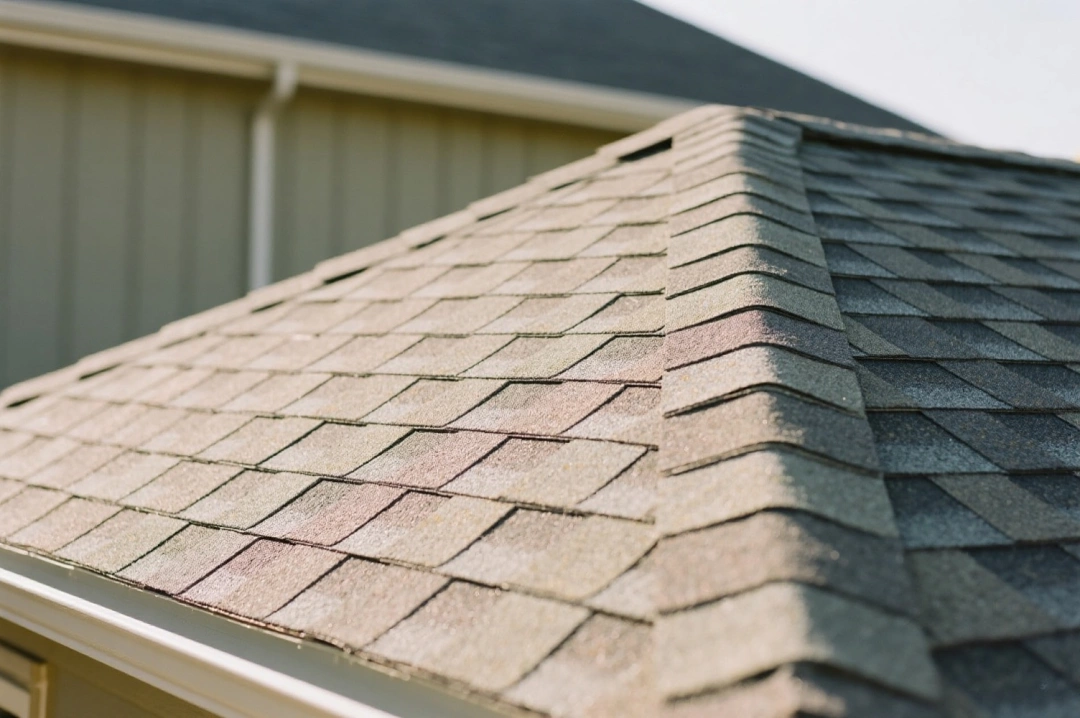
Choosing the Right Type of Felt Shingles for Your Roof Project
Choosing the right type of felt shingles for your roof project is a key step in making sure your roof performs well and looks neat. Whether you are fixing up an old garden shed or building a new garage, the shingles you choose can make a big difference to how long the roof lasts and how good it looks.
Felt shingles are widely used for garden buildings, outdoor storage, garages and even some residential spaces. They offer good protection from the weather and can be quicker and simpler to install than tiles or metal sheets. But with so many styles, thicknesses and finishes, picking the right one can be confusing.
To make the best decision, it's helpful to understand the various types available, how they differ, and which features work best for your project. This guide will walk you through the most important details so you can feel confident in your choice.
Key Differences Between Felt Shingle Options
There are several types of felt shingles on the market. They vary in material, design, durability and how easy they are to work with. Knowing the key differences will help you pick the right shingles for your building and your budget.
Material Composition
Felt shingles are generally made from either bitumen or fibre materials. Bitumen-based shingles are known for being more water-resistant and sturdy. They often contain extra layers like mineral granules or UV coatings for added protection. These extras help prevent wear from sun, wind and rain.
Fibre-based shingles are lighter and easier to handle. They may not last as long under heavy weather but are suitable for small or temporary structures. If the building is not meant to last many years, fibre felt can be a simple and low-cost solution.
Some newer shingles combine layers of bitumen with special polyester or glass fibres, giving them a longer life and more strength. These are often used on more important buildings or where the roof is seen more often.
Thickness and Weight
The thickness of a felt shingle often tells you how strong it is. Thicker shingles can better resist high winds, heavy rainfall and snow buildup. They are also less likely to tear during fitting or over time. This makes them ideal for larger roofs or buildings in exposed places.
Lighter shingles are often easier to cut and install, especially for one-person jobs or small structures. However, they might not hold up as well over many years, especially on roofs that face strong weather. For a balance of ease and strength, choose a medium-weight option if available.
Design and Appearance
Felt shingles come in different shapes such as square-cut, hexagonal, fish-scale and rectangular. These patterns can affect how the roof looks once finished. For example, hexagonal designs can give a tidy, tiled look, while square-cut styles appear more simple and modern.
Colour is another important factor. Common choices include red, green, brown, black and grey. Matching your shingle colour to your fence, shed walls or house trim can make the whole area look more put together. Some shingles also resist fading better than others, which is worth checking if the roof gets a lot of sun.
Ease of Installation
Some felt shingles are made with the DIY user in mind. They may have peel-and-stick backing or built-in guidelines for nailing. These features can save time and reduce mistakes during fitting. They’re great if you’re working alone or want to finish quickly.
Others may require extra tools, nails or adhesives and take more time to put on properly. While this adds to the job, these products are often more secure and longer-lasting. Professional roofers may prefer these for larger buildings or jobs where strength is key.
Need assistance finding felt shingles near you?
Get a QuoteHow to Match the Right Shingles to the Right Structure
Each type of structure has different roofing needs. Choosing felt shingles that match the size, purpose and location of the building is key to getting the right balance of cost, function and look.
For sheds, playhouses or small summerhouses, basic felt shingles are often enough. These roofs are usually smaller and easier to cover, and the shingles don’t need to be thick or heavy. A mid-range option with a basic finish will usually do the job well.
Garages, workshops or large storage areas may need tougher materials. These buildings often face more wind and rain, and their contents are more valuable. A thicker bitumen felt with an extra coating can offer the protection needed over many years.
Roofing for homes or extensions calls for even better quality. These shingles should not only last longer but also match the style of the house. Options with added UV resistance, a longer warranty or stronger base materials are a smart choice here.
Don’t forget to consider the roof slope. Steeper roofs are better at shedding water and can use most shingle types. Flatter roofs are more at risk of leaks, so they need heavy-duty felt with stronger water resistance and sealing features.
Why Some Projects Call for Higher-Quality Materials
While cheaper shingles can work well in the short term, there are strong reasons why higher-quality materials are often worth the extra cost for certain projects. The cost may be higher at first, but the long-term benefits can more than make up for it.
First, good quality felt shingles last longer. They hold their shape and colour, and they resist cracking, tearing or curling. This means you’ll save on repairs and replacement over time. For buildings you want to use for many years, it makes sense to invest early.
Second, better shingles protect your building more reliably. They seal more tightly and are less likely to let in water or cold air. In turn, they protect the items or people inside from weather damage, mould or damp problems.
Third, they often look more polished. If your building is in view from the house or street, you may want a roof that looks tidy and lasts. Well-made shingles stay neat and fresh-looking even after several years of use.
Fourth, insurance policies or building rules may require certain materials, especially on permanent buildings or those close to homes. Fire ratings, storm resistance or wind-lift strength may need to meet certain levels. It’s best to check these before starting the job.
Questions to Ask Before Buying Felt Shingles
Before buying felt shingles, take a few minutes to ask the right questions. Doing this will help you avoid problems later, choose the right product and make sure your money is well spent. Here are some key points to cover.
What is the Purpose of the Roof?
Think about how the roof will be used. Will it cover a place for storing bikes and tools, or will it be above a space people spend time in? The more important the use, the better quality shingles you should choose.
If the roof covers valuable items or people, strong protection against leaks and temperature changes becomes more important. This can affect your choice of thickness, material and finish.
What Kind of Weather Will it Face?
Look at the climate in your area. Does your location get strong winds, heavy rain or snow? If yes, pick shingles designed to stand up to those conditions. Choosing weather-ready materials early helps avoid damage and costly repairs later on.
Some felt shingles come with added layers to stop water soaking through or to reflect heat. These are useful in areas with harsh seasons or long hours of sun.
Do the Shingles Come with a Guarantee?
Warranties or guarantees give you extra peace of mind. They can range from a few years to over a decade depending on the brand and product. A longer guarantee often means better materials were used, and the maker expects the shingles to last.
Before buying, check what the warranty includes. Does it cover cracking, fading or lifting? Is it limited to certain weather conditions? The more you know upfront, the easier it is to compare products fairly and choose one that fits your needs.
In this article: