Felt Shingles vs Roof Tiles Which Should You Choose?
Choosing a roofing material for your property is a big decision. It affects how your home looks, how well it resists the weather, and how much you might spend in the future. The roof is one of the most important parts of your house, and the right choice can save you money and stress later on.
Two popular options in the UK are felt shingles and roof tiles. Each offers protection, style, and benefits. But they also come with key differences that might make one more suitable for your needs than the other. Cost, weight, style, and durability all play a role in the decision.
This article will guide you through the main features of both roofing types. By looking at the differences, how they perform over time, and how they suit UK weather, you will be better prepared to choose the best material for your property.
Whether you are working on a new build, a shed, a home extension, or replacing an old roof, it is worth comparing felt shingles and roof tiles carefully before making a decision.
Key Differences Between Felt Shingles and Roof Tiles
Although both felt shingles and roof tiles are designed to protect roofs, they are very different in how they are made, how they look, and how they behave over time. It is important to understand these key points when deciding which one is best for your home or building.
Material and Appearance
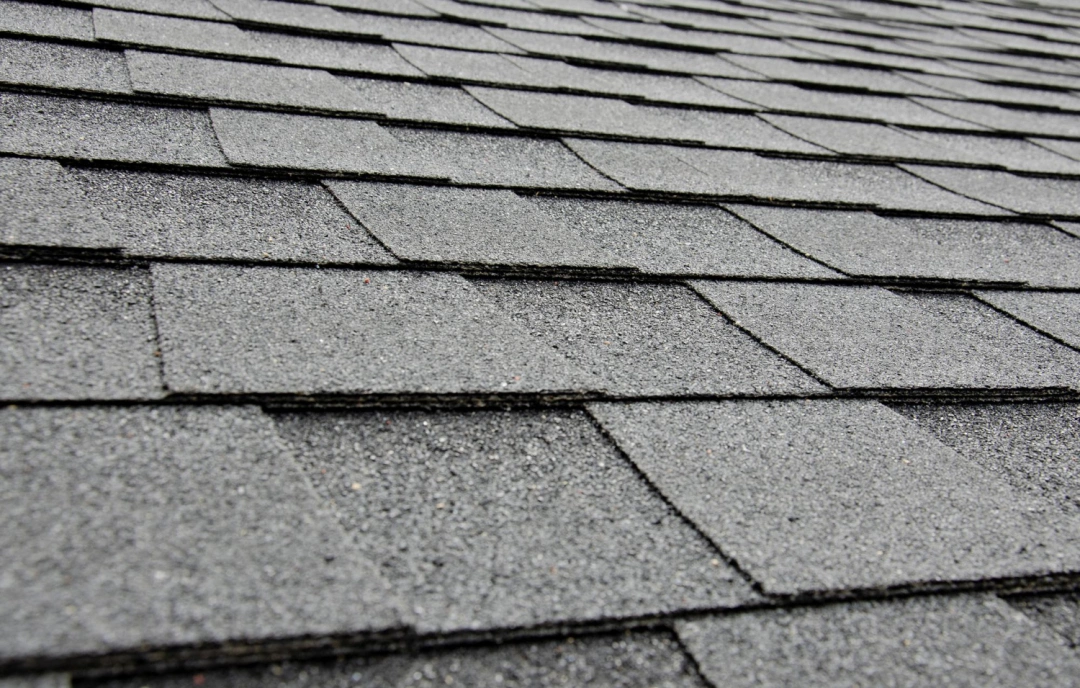
Felt shingles are usually made from fibreglass or organic materials soaked in bitumen. They are then topped with coloured mineral granules. These shingles come in many styles and colours, which allows for more variety in design. Some even mimic the look of wood or slate.
Roof tiles are commonly made from clay, slate, or concrete. These materials are more solid and heavier than felt shingles. Tiles give a more traditional appearance and are often found on older buildings or those aiming for a classic look. Slate tiles, in particular, have a natural and elegant finish that suits many UK homes.
Weight and Installation
Felt shingles are lightweight, which makes them easy to transport and install. This is useful for DIY projects or for roofing outbuildings such as sheds, garages, and summer houses. The lightweight nature also means they can be fitted without needing a heavy roof frame.
Roof tiles are heavier and need strong support. Installing them takes more time and skill, often requiring professional roofers. While the installation is more demanding, it is a long-term solution that provides great strength and protection for larger homes or buildings.
Durability and Lifespan
Felt shingles are tough and waterproof, but they generally last around 15 to 30 years. Their lifespan can depend on the quality of the material and the weather they face. Regular inspections and prompt repairs can help them last longer.
Roof tiles can last much longer. Clay and concrete tiles often reach 50 years or more, while natural slate tiles can last over a century. They are hard-wearing and less likely to need frequent repairs, making them ideal for long-term roofing solutions.
Suitability for Roof Shape
Felt shingles are flexible, which means they can be cut and shaped to fit unusual roof forms or shallow slopes. This makes them a good choice for complex or modern roof designs.
Roof tiles are better suited for roofs with a steeper pitch. They may not be ideal for very low slopes unless special tiles are used. However, on traditional pitched roofs, they offer excellent coverage and weather resistance.
Need assistance finding felt shingles near you?
Get a QuoteHow Cost and Maintenance Compare Over Time
When comparing roofing materials, it is not just the price at the start that matters. You also need to think about how much maintenance each type will need and how long it will last. These things can affect how much you spend in the future.
Felt shingles are cheaper upfront. The materials cost less, and because they are quicker and easier to install, you will pay less for labour too. This makes them attractive for small projects or when working within a limited budget.
However, felt shingles may need replacing or repairing more often than roof tiles. Bad weather can damage them, especially if they are not fitted properly. Over time, the cost of repairs or replacing the roof can add up.
Roof tiles are more expensive at the beginning. Slate or clay tiles cost more than shingles, and installing them usually takes longer. But tiles are strong and need very little maintenance. A tiled roof could last for decades without needing much work, which makes it more cost-effective in the long run.
If you are planning to stay in your home for many years, the higher starting cost of roof tiles can be a wise investment. If you are roofing a temporary structure or have limited funds, felt shingles might be more suitable.
Which Material Performs Better in UK Weather Conditions
The UK is known for its unpredictable weather. With regular rain, wind, frost, and occasional sun, a roof must be able to handle all sorts of conditions. Some materials cope better than others, especially in harsher areas like coastal towns or exposed hillsides.
Felt shingles offer good waterproofing and are designed to shed water quickly. High-quality shingles resist rain and sun well, but they can be lifted by strong winds if not fixed properly. Cold weather might also make them brittle over time, especially if they freeze and thaw often.
Roof tiles are very durable in all weathers. They are heavy, so they do not blow off easily. Clay and slate tiles are also frost-resistant and fireproof, which adds to their safety and reliability. Their weight and design make them stable in windy and stormy conditions.
In most parts of the UK, roof tiles offer better long-term weather protection. However, felt shingles still perform well when installed correctly and are regularly maintained. For less exposed areas, they can be a good value solution.
How to Choose Based on Your Property Type and Priorities
The best roofing material depends on what type of building you have, how much you want to spend, and what you hope to achieve with the look and feel of your property. Here are some things to keep in mind when making your final choice.
Homes vs Outbuildings
For full-sized homes, roof tiles are often the better choice. They last longer and are expected in most residential areas. They also provide strong, lasting protection for larger structures. Felt shingles can work for small homes or short-term projects, but they are better suited to sheds, garages, or garden rooms.
Style and Appearance
If you want a classic or premium look, roof tiles are ideal. They match well with traditional British architecture and may even add value to your property. Slate tiles, in particular, are known for their timeless appearance.
Felt shingles offer more design freedom with colour and shape options. They are good for modern buildings or when you want to match a specific theme. They are also easier to customise for unusual or creative roof shapes.
Budget and Long-Term Plans
Felt shingles are ideal if you are working within a tight budget or if the building is not your main home. They are quick to install and affordable, even for large roof areas. But if you plan to stay in your home long-term or do not want to worry about future roof work, tiles will give you more value and peace of mind over time.
In this article: