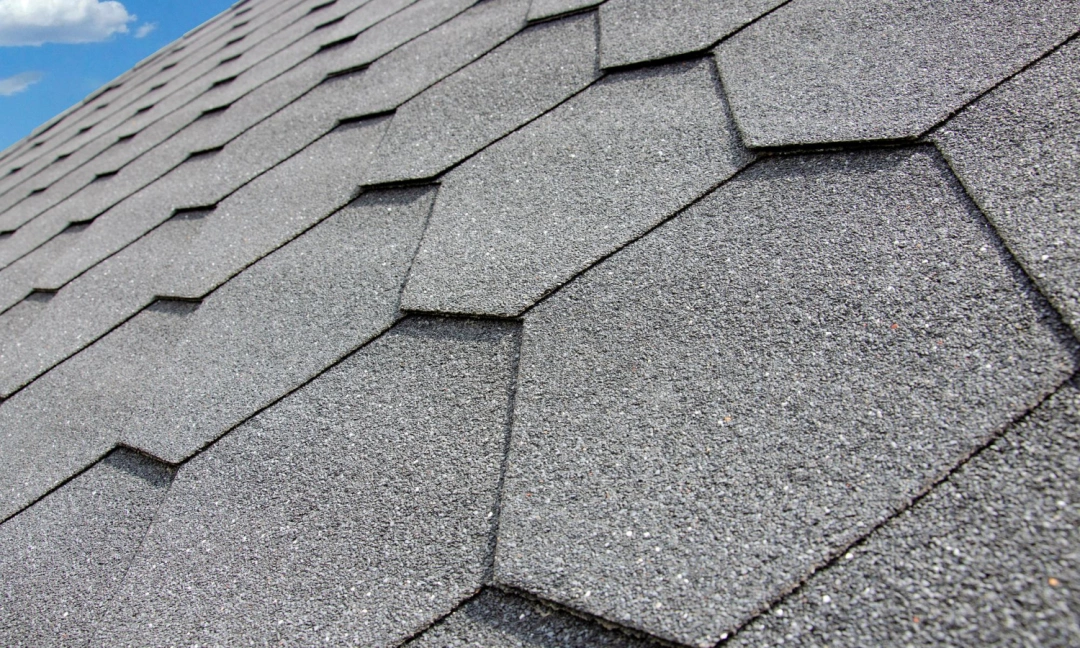
How Long Do Felt Shingles Last in the UK Climate?
Felt shingles are a popular roofing choice in the UK, especially for sheds, garages, summerhouses and outbuildings. They offer a practical and cost-effective way to protect roofs from wind, rain and sun. But with the UK’s changeable weather, many people wonder just how long felt shingles will actually last.
Knowing how long your roofing material is likely to last can help with planning repairs, maintenance and future replacements. Felt shingles can provide good value, but only when cared for properly and installed in the right way. Otherwise, their lifespan may be much shorter than expected.
This article explores how long felt shingles typically last in the UK. It will look at the different factors that affect their lifespan, how to spot early signs of damage, and how you can extend their useful life with regular care and maintenance. If you're thinking about using felt shingles or already have them on your roof, this guide will help you get the most from them.
What Impacts the Lifespan of Felt Shingles in the UK
Felt shingles do not last forever, but their lifespan can vary a lot depending on several things. Some may last only five to seven years, while others can last over fifteen years if well looked after. The key is understanding what affects their condition over time.
UK Weather Conditions
The UK climate can be quite harsh on roofing materials. Rain is common all year round, especially in the autumn and winter months. This constant damp can break down roofing felt over time if the material becomes worn or damaged.
Felt shingles are also affected by frost and ice. When water seeps into small cracks and then freezes, it can cause the material to split. Wind is another issue. Strong gusts can lift shingles, especially if they were not fixed down properly. This exposes the roof to leaks and damage.
Even in summer, felt shingles can suffer. Heat and direct sunlight dry out the felt and make it more brittle. Over time, this causes cracking and reduces water resistance. In short, UK weather causes wear from both moisture and sun, which slowly breaks down the felt over the years.
Quality of Materials
The type of felt used matters a lot. Low-cost options might save money at first but will often wear out faster. Thicker, high-quality felt shingles with strong backing last longer and handle weather conditions better. Many budget products begin to fail after five years, especially with poor maintenance.
Paying for good materials at the start can double the life of your roof. Look for products made with added fibreglass or polyester layers, which improve strength and water resistance. Some products are made to last over 15 years with the right care.
Installation Method
Even the best shingles will not last long if they are not installed properly. Common problems include not using enough fixings, not sealing the edges and leaving gaps where water can get in. These small mistakes can lead to leaks, lifting and tearing, especially in bad weather.
A trained roofer will follow the correct steps, such as overlapping each strip by the right amount, using correct nails or adhesive, and sealing edges carefully. A neat and secure installation is one of the most important ways to improve how long your shingles will last.
Roof Design and Angle
The shape and slope of your roof also makes a difference. Flat roofs or very low slopes can hold water after rain, which increases the risk of leaks. Steeper roofs allow water to run off quickly, reducing the chance of pooling and damage.
Well-designed roofs with enough slope and good drainage usually keep felt shingles in better condition for longer. If your roof collects leaves or water in one area, it’s more likely to develop damage there.
Need assistance finding felt shingles near you?
Get a QuoteWarning Signs That Your Felt Shingles Are Wearing Out
It’s important to keep an eye on your felt shingles as they age. Noticing the early warning signs can help prevent more serious damage. If dealt with quickly, many problems can be fixed before water reaches the main roof structure.
One of the first things to look for is curling or lifting edges. When the corners begin to peel up, they let in wind and water. This can lead to shingles being torn off during storms. Cracks in the surface are another sign. These cracks let in moisture, which causes leaks and weakens the felt underneath.
Dark patches or discolouring may show water has already soaked in. This is often the start of rot, especially if the felt stays wet for long periods. You might also notice parts of the roof that look shiny or worn. This usually means the top layer has broken down and will no longer keep out water.
In more serious cases, you might find missing shingles, sagging areas or water dripping inside. At this stage, repairs may be costly, and a full replacement could be needed. Regular checks help catch these issues early and keep your roof in good shape.
Why Regular Maintenance Can Extend the Life of Your Shingles
Taking care of your felt shingles is one of the simplest ways to make them last longer. Many small actions, when done often, can prevent damage from building up. You do not need special tools or skills for basic roof care — just regular attention and a watchful eye.
Clearing away leaves, moss and dirt from your roof helps stop water from collecting. Wet areas that never dry fully are more likely to develop rot or mould. Cleaning your gutters is also key. If gutters overflow, water can soak into the roof edge, causing damage to shingles and boards.
Every few months, look over your roof for cracks, curled edges or missing parts. Use binoculars if you cannot get close. If you spot any trouble early, small fixes can stop the damage from spreading. Catching problems quickly also saves money, as small patches cost much less than full repairs.
In winter, check for frost or snow build-up. These add weight and can lead to cracking. In summer, look for signs of drying and cracking from the sun. A little effort every season helps keep your felt shingles working well and lasting longer.
How to Get the Most from Your Investment in Felt Shingles
Felt shingles can be a smart and affordable choice for many buildings. With proper care and wise decisions, they can offer many years of strong protection. To get the best value from your roof, there are a few steps to follow.
Choose Quality Over Price
When buying roofing felt, look beyond the price tag. Cheaper felt may save money now, but you may have to replace it much sooner. Higher quality shingles last longer and resist damage better. Spending a little more at the start usually means fewer problems and repairs in the future.
Ask your supplier or roofer about the expected lifespan and any guarantees. A good product should last at least 10 years, with many premium options going beyond that.
Hire a Professional Installer
Felt shingles are easier to install than some other roofing types, but the job still needs care and skill. A professional installer will know how to lay the shingles in the right way, using proper overlaps, fixings and sealants. This helps your roof stand up to UK weather and protects your home or outbuilding.
Many felt roofing problems come from mistakes made during fitting. Paying for a proper installation is one of the best ways to avoid early damage and future repair costs.
Keep Up with Checks and Repairs
A little regular care makes a big difference. Inspect the roof at least twice a year, and more often after storms. Look out for early signs of wear, and repair damage as soon as you spot it. This stops small problems from growing and keeps the roof strong for longer.
It is also a good idea to keep trees trimmed back, as overhanging branches can scrape the felt or drop heavy leaves and twigs. Keeping the area clear helps avoid damage from above and lets water drain away more easily.
In this article: