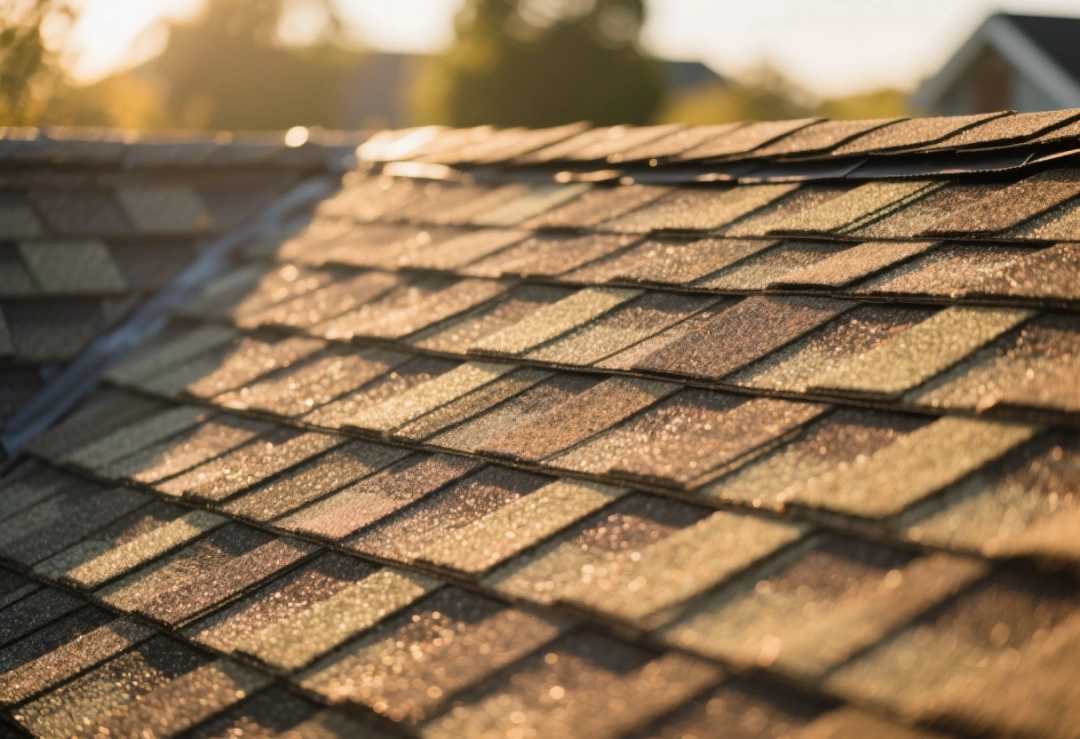
How Much Do Felt Shingles Cost to Install in the UK?
Felt shingles are a popular and affordable roofing choice for small buildings like sheds, summerhouses, and garages. Many homeowners choose them because they are simple to fit and give a clean, finished look. They also come in many colours and designs, which adds to their appeal. If you are thinking about using felt shingles, it helps to know how much they will cost. In this guide, we will look at what you can expect to pay, what affects the price, and how to get the best value when hiring someone to do the work.
Breaking Down the Main Costs of Felt Shingle Installation
The cost to install felt shingles can vary, but there are a few key parts that always play a role. These include materials, labour, roof size, and extra work such as removing old roofing. Let’s take a closer look at each of these.
Cost of Materials
Felt shingles are usually sold by the pack, which covers a certain amount of roof space. On average, you can expect to pay around £10 to £20 per square metre, depending on the quality and brand. For a small garden shed, this might mean spending £50 to £100 on the shingles alone. You will also need other materials such as felt underlay, ridge tiles, nails, and sealants. These may add another £20 to £40 to the total. If your building has a large or sloped roof, you may need more supplies.
Labour Costs
Hiring someone to install felt shingles adds to the cost. Most roofers charge between £150 and £250 per day. A small shed or playhouse might only take half a day, while a summerhouse or large garage could take one to two full days. Some roofing specialists offer fixed prices for small jobs. For example, they might quote £200 to install shingles on a standard-size shed. Always ask what the price includes before agreeing to any work.
Removal of Old Roofing
If you already have a roof that needs replacing, there may be extra costs to remove and dispose of the old material. This can cost between £50 and £150, depending on the type of roof and the amount of waste. Some roofers include this in their quote, but others may charge separately. Always ask if this part is covered so you are not surprised by extra fees.
Waste and Clean-Up
After installing the new felt shingles, the roofer will need to clean up any rubbish and leftover material. Some may charge a fee for waste removal, especially if there is a lot to clear. This can range from £20 to £60. It's always a good idea to check whether clean-up is included in the price or if it will cost extra.
Need assistance finding felt shingles near you?
Get a QuoteWhat Affects the Final Cost of a Felt Shingle Roof?
Many things can affect how much you pay to install felt shingles. The size and shape of your roof are two of the biggest factors. A larger roof will need more materials and more time to complete. If the roof is steep or has lots of angles, it may also be harder and take longer to fit the shingles. More time means higher labour costs, and complex shapes may need extra tools or care during fitting.
Where you live in the UK can also affect the cost. Prices tend to be higher in London and the South East compared to other parts of the country. Labour rates and transport costs for materials can vary, and this may change the final price by up to 20 percent. In more rural areas, you may also have fewer roofers to choose from, which can affect how competitive the quotes are.
The quality of the shingles you choose is another key factor. Basic options are cheaper and suitable for short-term use, but premium shingles last longer and may look better. Some also come with a longer warranty. It’s worth spending a bit more if you want a roof that will stay strong and neat for many years. Better materials may cost more upfront but can save you money over time by needing fewer repairs.
Lastly, the time of year can also affect price. Roofing work is often cheaper in winter when demand is lower, although cold and wet weather may slow things down. In spring and summer, roofers are usually busier, which can lead to higher prices or longer wait times. Booking early or planning for a quieter season could help reduce the overall cost.
Felt Shingles vs Other Roofing Options on Price
Felt shingles are one of the most cost-friendly roofing choices, especially for smaller buildings. Compared to other options like metal sheets, clay tiles, or EPDM rubber, felt shingles are easier to fit and need fewer tools or extra parts. This helps keep the cost down. Clay or slate tiles can cost over £40 per square metre just for materials. On top of that, they often need special support structures and expert fitting, which adds to the labour cost. Metal roofing is also more expensive and may not suit the style of garden buildings.
EPDM rubber is often used for flat roofs. While it is tough and waterproof, it can be more costly to install. A rubber roof might cost £80 to £120 per square metre when materials and labour are included. This makes felt shingles a much cheaper choice for buildings like sheds and playhouses. So, if you want a neat, weatherproof roof at a good price, felt shingles are one of the best options. They look tidy, work well, and don’t cost a lot to install.
How to Get a Fair Price When Hiring a Roofer
To make sure you’re paying a fair price for felt shingle installation, it helps to plan ahead. Getting quotes from more than one roofer is a good way to compare and understand what you’re paying for.
Get Multiple Quotes
Try to get at least three quotes from local roofers. This helps you spot if someone is charging too much. Make sure each quote includes the same details, like labour, materials, and clean-up, so you can compare fairly. Ask if the roofer is insured and experienced with felt shingles. A low price may not be worth it if the quality is poor.
Check Reviews and Past Work
Look online for customer reviews or ask to see pictures of recent jobs. This helps you judge the roofer’s skill and tidiness. A good roofer should be happy to show their work and answer questions. Check if they offer a guarantee, which adds peace of mind.
Write Down the Agreement
Before work starts, ask for a full quote in writing. It should list all costs, materials, and the timescale. This protects both sides. Avoid paying everything upfront. A small deposit is fine, but pay the rest when the job is done.
Final Tips to Avoid Extra Costs
Ask the roofer if there are likely to be any extra charges, such as waste removal or added work for roof repairs. Some roofers may also suggest extras like gutter cleaning or roof sealing. These are not always necessary, so make sure you understand what each service includes before agreeing.
Always choose someone who explains the work clearly, answers your questions, and provides honest advice. This helps you avoid surprise costs and ensures the job is done properly.
In this article: