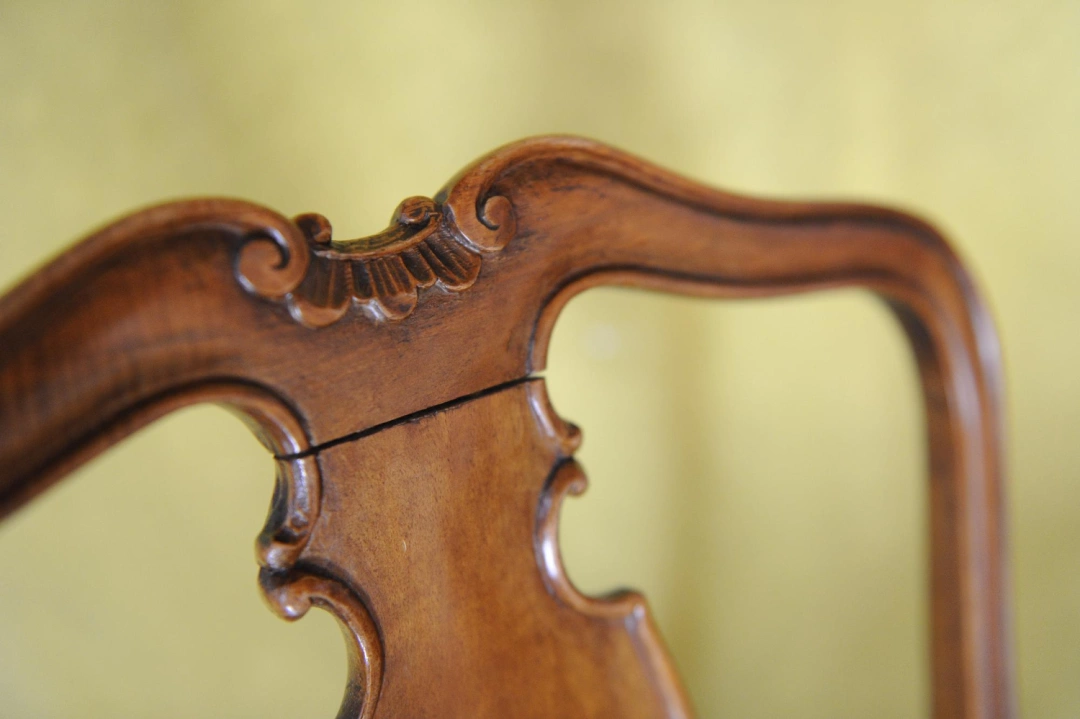
Common Furniture Issues and How Restoration Can Help
Furniture sits at the centre of daily life. It is the table where you eat, the chair where you read, and the cabinet that keeps your things in order. With regular use, it will show signs of age, and that is normal. Small dents, faded varnish, and loose joints can creep in. Some problems are easy to ignore at first, yet they build up and weaken the piece. Furniture Restoration can help you deal with these changes and keep the items you love in use.
Many people think buying new is the quickest path to a tidy room, but that choice often costs more in money and in waste. Most older pieces were made with solid wood, good joinery and repairable parts. When a craftsperson restores a chair or table, they work with the original structure. They clean and repair what is there and give the finish a fresh start. The result is a strong piece with the same look and feel you chose in the first place.
Restoration is flexible. You can ask for a full refinish or a light touch. You may keep the warm patina that comes with age, or choose a tone that suits a new colour scheme. You can replace tired fabric with hard wearing cloth, fix weak joints with new glue and dowels, and protect surfaces with oils or lacquers made for daily use. With the right plan, your furniture regains strength and style without losing its character.
Common Furniture Issues Homeowners Face
Problems show up for many reasons, from heavy use to damp rooms or bright light. Knowing the signs helps you act early and choose the right kind of Furniture Restoration before small issues turn into large ones.
Surface Scratches and Stains
Table tops take the brunt of daily life. Keys, toys and laptops slide across them. Hot mugs leave dull rings. A spill of wine or curry can bite into an old finish and leave a mark. Light scratches live in the top coat, while deeper cuts can score the timber itself. Left alone, grime settles in and the mark grows darker. A restorer can clean, sand and blend the area, then apply a matched finish so the surface looks even again.
Loose or Broken Joints
Chairs and tables depend on strong joints. Old animal glue dries out, screws work loose, and a wobbly leg follows. Rocking chairs may click when you sit down, which is a sign that strain is moving through the frame. Keep using it and the joint will open more. Skilled repair involves taking the joint apart, removing the old glue, squaring the shoulders and clamping it tight with fresh adhesive.
Upholstery Wear and Tear
Sofas and dining chairs soften and sag as the padding breaks down. Fabric can fray on the front edge or fade on the back where the sun hits. Springs may lose tension, which changes the shape and comfort of the seat. A good upholsterer checks the webbing, padding, springs and cover as a whole. They can rebuild the seat with firm, supportive layers and then fit a fabric that suits the way you use the room.
Water Damage, Heat and Warping
Water swells timber, and heat dries it out too fast. A small leak under a window can leave a chest with rucked veneer and black marks around the base. A radiator too close to a sideboard can lead to shrinkage cracks. High humidity in a loft or cellar encourages mould. These problems call for careful drying, stain treatment and, where needed, replacement of damaged veneer or lippings. A stable finish and better placement help prevent a repeat.
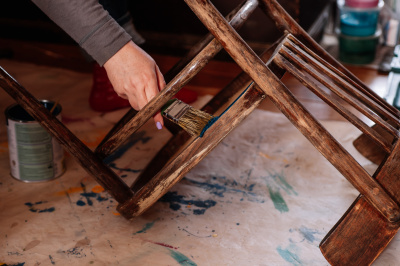
Need assistance finding furniture restoration near you?
Get a QuoteHow Furniture Restoration Solves These Problems
Furniture Restoration is a set of steps that fit the problem at hand. The work begins with a close look at the piece. A restorer checks how the parts meet, how the timber has moved with age, and what kind of finish is on top. They then agree a plan with you. The goal is the same. Keep as much original material as possible, fix what is weak, and improve the look in a way that suits the use of the room.
For surface wear, the team may start with a gentle clean to lift wax and dirt. Fine abrasives smooth the old coat without cutting through the colour beneath. If the stain is deep, they strip a limited area and use dyes to match tone across the top. Oils, shellac or modern lacquers then seal the timber. Oils feel warm and natural, shellac gives a classic shine, and lacquers resist spills and heat. The right choice depends on how you use the piece and the look you prefer.
Joint repair follows a careful order. The loose parts are disassembled without force. Old glue is softened and removed. Contact faces are pared to square them again, and test fits confirm the joint will draw up tight. Fresh adhesive is added and clamps pull the joint together. The aim is a sound frame that does not creak. In visible areas, filler is coloured to blend with the grain so the repair does not draw the eye.
Choosing the Right Restoration Method for Your Furniture
Picking a method starts with your aim. Some people want a faithful repair that keeps every sign of age. Others want a crisp, clean finish that stands up to daily meals and homework. Talk about where the piece lives, who uses it and how often. A hallway bench that takes wet coats needs a tough finish. A bedroom dresser can have a softer sheen. Clear aims at the start guide the level of work and help set a fair budget.
Materials matter too. Solid hardwood can be sanded and refinished many times. Veneered tops need a lighter touch so the thin surface is not cut through. Pine dents can be raised with steam, while oak calls for slow, even sanding to avoid ripples. With upholstery, you can keep traditional fillings like horsehair and hessian, or pick modern foams. Quality fabrics and good fixings make the result last longer and look smarter.
It is wise to work with a professional who can show examples of similar projects. Ask how they protect the surrounding timber when they strip a finish, which glues they use for which joints, and how they test colour. A clear plan, simple aftercare advice and tidy collection and delivery are signs of a careful studio.
Benefits of Furniture Restoration for Homeowners
Furniture Restoration gives value on many fronts. It saves money, reduces waste and keeps the look of your home consistent. It also protects pieces that hold family stories. These gains often arrive at the same time, which is why many households now choose repair over replacement.
Cost, Value and Smart Spending
Good furniture is not cheap, and the true cost of a new suite includes delivery, assembly and the time you spend choosing. A well planned restoration often comes in far lower and gives a result that feels better made. Older frames tend to be solid wood with real joints, not flat pack bolts. Once tightened and refinished, they stand up to daily life and can be repaired again in future.
Lower Waste and Greener Homes
Repair keeps bulky items out of landfill and cuts the demand for fresh timber, foam and fabric. It also reduces the energy used to make and ship new goods. Many workshops use water based finishes with low odour. You can choose natural fabrics like wool and linen, which wear well and are pleasant to touch. Your home gains a cleaner look while your choices support a lighter footprint.
Design Freedom and Personal Meaning
Restoration gives you control over colour, texture and detail. You can ask for a satin sheen to match a calm, light room or a deeper tone that pairs with warm floors. You can select piping, buttons and trims that make a chair feel bespoke. Best of all, you keep the shape and feel that drew you to the piece in the first place. A table that hosted birthdays can go on to serve new meals.
In this article: