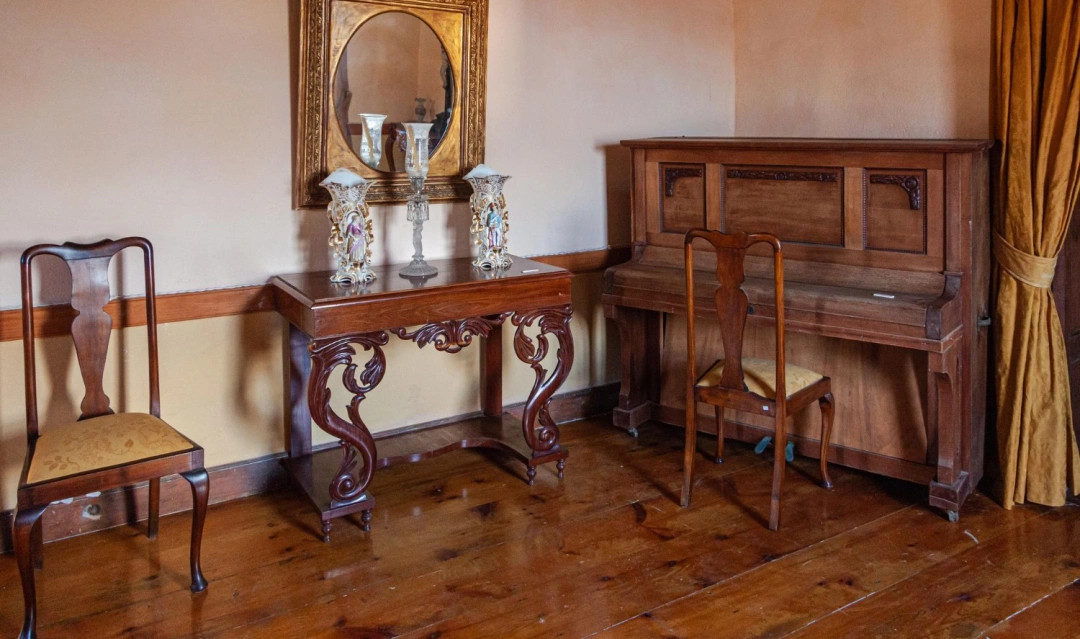
The Challenges of Restoring Antique Furniture
Furniture restoration asks for care, patience, and a clear plan. Antique pieces often carry stories from past homes and makers. They also show the marks of time. Scratches, faded polish, loose joints, and missing parts are common. The work is about more than looks. It is about safety and respect for the item’s age.
Restoring an antique is rarely a quick job. Every chair, table, or chest has its own risks and needs. Some parts may be fragile, while others may be strong. A wise restorer studies the piece before work begins. This helps them choose the right methods and protects the history that gives the piece its charm.
In this article, we explore the main challenges in Furniture Restoration. We look at the obstacles you may face. We also explain why skill and experience matter, how to keep the original spirit, and what the work might cost.
Common Obstacles in Antique Furniture Restoration
Antique Furniture Restoration can look simple from a distance. The truth is different. Old furniture reacts to light, heat, and use. Earlier repairs may have made things worse. Materials from the past can be hard to match today.
Material wear and hidden damage
Wood moves as seasons change. Boards can warp or split after years in dry rooms. Veneer can lift from the ground surface. Glue can fail. Nails may rust and stain the grain. Joints that once held tight can slip apart. Some damage is easy to see. Some sit under a finish or behind a panel.
Testing is key. A gentle press on rails and stretchers shows loose joints. A torch held at an angle can reveal ripples in veneer. A cotton bud with a small drop of alcohol can help suggest what the finish is. Knowing what you face leads to better choices and stops you from stripping a fine original finish by mistake.
Sourcing sympathetic materials
A good match matters. New timber often looks too bright next to old wood. The grain may run in a different way. Choosing timber of a similar species and cut helps. So does ageing it with light and careful staining. For veneer, the thickness and figure must be close to the original. Hardware such as hinges and castors needs the right style and weight.
Glue choice is important. Many antique pieces used animal glue. It can be reversed with warm water, which is kind to old joints. Modern glues can be very strong, but they may be too permanent. Reversible methods show respect for the craft and the object.
Undoing poor past repairs
Some antiques have had many lives. A wobbly chair might have been fixed with screws that split the tenons. A chipped moulding may have been filled with hard car body filler. A top might have been sanded too thin. Undoing this takes care. You often have to remove the bad work before you can repair the original structure.
Heat, moisture, and patient scraping can lift thick layers of modern glue. Thin wedges and soft hammers help open stuck joints. When a part is beyond saving, a restorer copies the shape and joins new wood in a way that does not draw the eye.
Respecting delicate finishes
Antique finishes can be fragile. Shellac, oil, wax, and old varnish each react in their own way. Many modern cleaners are too harsh. They can cloud the finish or strip it away. Cleaning should start with the gentlest method. Often, a soft cloth, a light soap solution, and patience are enough to lift dirt without harm.
Where a finish is thin, building it up with careful French polishing or oiling can revive the surface. The goal is not a bright mirror. It is a warm glow that suits the age of the wood. Small dents and scratches often look best left in place.
Need assistance finding furniture restoration near you?
Get a QuoteThe Importance of Skill and Experience
Good Furniture Restoration rests on skills that are learned over time. Books and videos can teach steps and tips. Real skill grows from hands-on practice and careful thought. A trained eye can read tool marks, joint types, and timber choices. These clues say when and how a piece was made. They guide the plan for repair and cleaning.
Experience helps with judgement. Not every loose joint needs a full rebuild. Not every scratch needs sanding. Sometimes the best choice is to stop and leave well alone. Other times, action must be firm and fast to stop decay. Knowing when to act and when to pause is what sets a strong restorer apart. Clear notes and photos help track changes and keep work on course.
Balancing Restoration With Authenticity
Antique pieces have value because they are old and real. They were made by hand or with early machines, using the ideas of their time. If you remove every mark of age, you risk losing the very thing that makes the item worth saving. The task is to balance clean repair with honest history. The piece should be safe to use and kind to look at, but it should still feel old.
Talk with the owner before work starts. Agree on what to keep and what to change. A water ring on a table may be part of a family memory. A missing moulding may spoil the line and require a careful copy. Choose finishes that suit the period. Use reversible glue where you can. Hide new screws where they will not be seen. When you step back, the whole should feel calm and whole.
Understanding the Costs of Antique Furniture Restoration
The cost of Furniture Restoration varies with time, tools, and risk. A small repair with simple tools may take a day. A complex rebuild can take many weeks. The price reflects the hours, the cost of materials, and the care needed to keep original parts safe. Asking for a clear quote with a staged plan helps owners set a budget.
Labour, planning, and risk
Labour is the main cost. Careful work takes time. Stripping the wrong finish or forcing a joint can cause damage that is costly to fix. Restorers plan each step before they touch the piece. They test the finishes and joints, then lay out tools and clamps. They also protect the workshop from dust and fumes. This planning keeps the piece safe.
Risk also affects cost. Moving a large wardrobe down the stairs needs more hands and time. Repairing a carved leg has a higher chance of failure than fitting a new castor. These risks are priced into the quote. Owners should ask how risk is managed and how the piece will be stored and insured while work is done.
Materials, parts, and finishes
Original style matters when choosing materials. Old oak, walnut, or mahogany each has a different look and feel. Matching the cut and figure helps new parts blend in. Good veneer is not cheap. Traditional glues, waxes, and shellac add to the cost. So do period-style brass locks or handmade screws. Sometimes a part must be custom-made on a lathe or carved by hand.
Finishing also takes patience. Building a French polish surface takes many thin coats with time to rest between them. Oil finishes need curing time. Waxes must be buffed. Rushing this stage leads to dull results. Proper drying time and a final wax coat give a soft shine that lasts.
Scope, value, and long-term care
The scope of work sets the budget. A minor joint repair and a light clean may be all that is needed for a small side table. A full restoration for a dining table could include rebuilding runners, re-gluing veneer, and resurfacing the polish. The value of the piece will guide decisions. It is not wise to spend more than an item is worth on the market, unless its family value is high.
Care after the work matters too. Good advice on placement and routine care can prevent new problems. Keep furniture away from strong sunlight and radiators. Use felt pads under lamps and vases. Dust with a soft cloth and avoid wet sprays. Plan a simple check each year to catch loose joints or small chips early. Wise care protects your investment.
In this article: