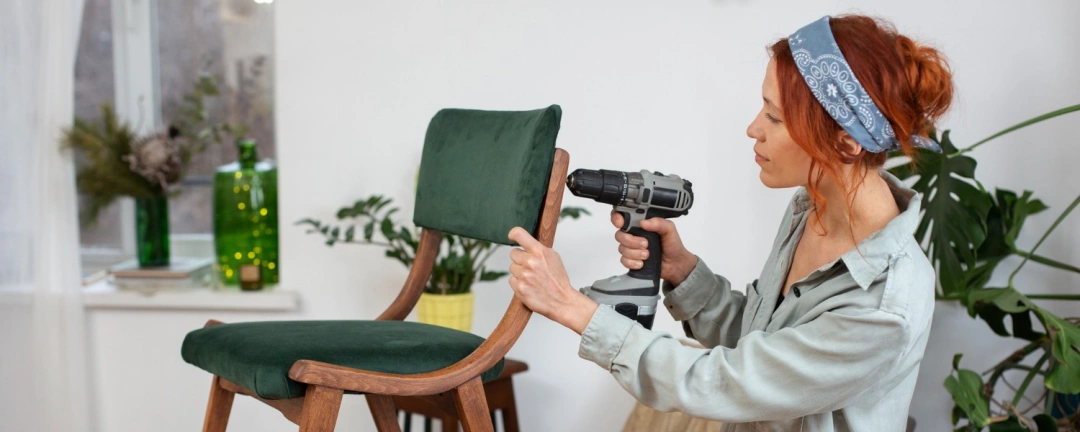
How to Tell if Furniture Is Worth Restoring or Beyond Repair
Furniture restoration helps you keep the character, comfort, and story of a piece while making it ready for daily use again. Many households own at least one item that feels special, whether it is a table from a grandparent, a solid bookcase from a charity shop, or a chair that just fits perfectly in the corner. Deciding what to do with that item can be tricky. You do not want to spend money on work that will not last, yet you also do not want to give up on something that could shine with a little care.
The good news is that you can judge most furniture with a simple checklist. Look at the build, the materials, the kind of damage, and how the piece will be used. Think about how much it means to you and what it would cost to replace it with something of the same quality. With clear steps, you can avoid guesswork. You can choose restoration with confidence or decide that replacement is the sensible path.
This guide explains the key signs that say a piece is worth saving. It also shows the warning signs that suggest you should walk away, even if the price seems right. You will learn how to weigh feelings with facts and how to compare costs in a fair way. The aim is simple. By the end, you should be able to answer one question.
Key Signs Your Furniture Is Worth Restoring
Before you book a specialist or start sanding, check for signs that the piece has strong bones and a future in your home. These signs point to a good result from furniture restoration and help you avoid surprises once work begins.
Solid Construction
Lift the item and feel the weight. Well-built furniture often feels heavier because it uses thicker boards and solid joinery. Look under tables and chairs for mortise and tenon joints or dovetails in drawers. Wiggle the legs and press on the corners. If the frame holds its shape and the joints are tight, small repairs can bring it back to full strength. A creak or a slight wobble does not mean it is finished. It usually means the old glue has dried and needs to be renewed. If screws have been added in the past, a professional can remove them, clean the joints, and re-glue with the right adhesive so the piece is strong without makeshift fixes.
Quality Materials
Hardwoods such as oak, ash, beech, walnut, and mahogany respond well to careful repair. Veneered tops are fine too when the core is strong and the veneer is thick enough to refinish. You can spot solid wood by looking for end grain and natural patterns that flow across edges. By contrast, thin foil veneer on particleboard chips easily and swells if it gets damp. That kind of board is hard to make good as new and may not justify the effort for anything more than a quick tidy. If you can see and feel real grain, and the piece smells like wood when sanded, you likely have a candidate that will reward the work.
Design With Lasting Appeal
Some furniture has shapes and details that fit many rooms and trends. A simple Shaker table, a mid-century sideboard, or a farmhouse chair can work in both modern and traditional spaces. If the design has stood the test of time, restoration is more likely to pay off. You are not fixing a fad. You are keeping a classic that will still look right in ten years. Classic pieces also hold value better, which can matter if you might sell in future or pass the item to someone else.
Damage That Is Mostly Surface Deep
Scratches, ring marks, scuffs, faded lacquer, and loose handles look bad but are usually fixable. A sand and refinish can remove marks on solid wood. Heat and moisture can lift small dents. A restorer can re-glue loose joints, replace missing screws, and match finishes so old and new parts blend well. When the frame is sound and the problems sit on the surface, you can expect a strong result from a sensible budget. Even chipped veneer can often be patched and coloured to blend so that only a trained eye would notice.
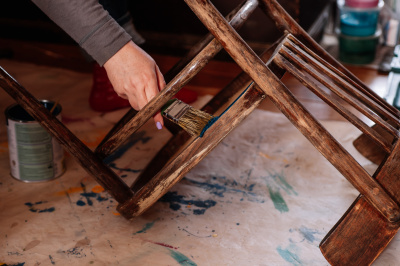
Need assistance finding furniture restoration near you?
Get a QuoteWhen Restoration Might Not Be the Best Option
Even with skill and care, some pieces will not reward the time or the effort. Knowing the danger signs protects your budget and your safety. It also saves you from the frustration of a project that drags on without a good finish.
Be wary of frames with deep splits, crushed corners, or large sections eaten by rot. If you press a screwdriver into the wood and it sinks easily or flakes away, the structure could be too far gone. Long-term damp can also weaken joints and warp panels beyond safe repair. Metal fixings may be rusted through. You can replace parts, but at some point you are building a copy rather than saving the original.
Balancing Emotional Value with Practical Considerations
Feelings matter. A simple stool used by a parent can mean more than an expensive cabinet. It is normal to want to keep the link to a person or a memory. The question is how to honour that feeling while staying realistic about cost, space, and daily use.
Start by writing down why the piece is special and how you plan to use it. If it will sit in a quiet corner as a display, it may only need gentle cleaning and a light wax. If it will carry weight each day, safety comes first. In that case, invest in proper repairs or consider turning the item into something with a lighter duty. A damaged table top might become a decorative wall panel. A high-backed chair that is too weak for sitting could become a hallway prop with a plant and a photo frame.
Comparing the Cost of Restoration and Replacement
Money is often the deciding factor. It helps to compare like for like rather than old for new. Think about the quality you would want if you replaced the item. Then set that level against the real cost of furniture restoration for the piece you already own.
Assessing Restoration Costs the Smart Way
List the tasks needed. Typical work includes cleaning, stripping old finish, sanding, repairing joints, replacing hardware, touching up veneer, and applying a new finish such as oil, wax, shellac, or varnish. If the item is upholstered, add webbing, springs, foam, and fabric to the list. Ask for a written quote that explains labour and materials. This helps you spot a fair price and plan the schedule. Skilled work may look costly at first, but it also avoids mistakes that waste both time and timber. A clear quote also makes it easier to compare different specialists on a fair basis.
Estimating the True Cost of Buying New
Visit shops and check prices for furniture made with similar materials and craftsmanship. Compare a solid oak table with another solid oak table, not with a hollow core version. Think about delivery fees, assembly, and the time you spend hunting for the right piece. Add the loss of character if the new item has a flat look with little grain or detail. When you add everything up, the price gap between restoration and replacement often narrows. In some cases, restoration wins because you keep a piece that already fits your space and taste. There is also the cost of disposal to consider, especially for large items, which can make replacement less attractive than it first appears.
Looking at Long-Term Value
Restored furniture can last decades with light care, such as placing mats under hot dishes and wiping spills quickly. You can renew an oil finish in an afternoon. New mass market furniture may look fresh at first, but can sag or peel within a few years. If you prefer to buy once and keep, restoration supports that goal. It also reduces waste and keeps useful timber in service, which is better for the planet than sending bulky items to landfill. If you ever move home, a solid restored piece can even handle a bit of rough travel better than a flat pack unit that depends on thin fixings.
In this article: