
Understanding the Different Types of Furniture Restoration Services
Furniture Restoration brings tired pieces back to life. It covers careful repairs, cleaning, and expert finishing that help a chair, table, or cabinet look good and work well again. The aim is to keep what is special about the piece while making sure it is safe and ready for daily use.
Many people turn to Furniture Restoration when a loved item starts to look worn, or when they inherit a piece with history that deserves care. Others simply want to reduce waste and keep quality furniture out of the tip. Whatever the reason, learning about the different services can help you choose the right path for your home and budget.
This guide explains the main types of work, how to choose a service, and what can affect the process. It also compares the benefits of each method so you can match the service to the result you want. With a little knowledge, you can protect value, improve comfort, and enjoy furniture that lasts for years.
The Main Types of Furniture Restoration Services
There are several branches within Furniture Restoration. Some focus on preserving original parts and finishes. Others aim for a fuller refresh with new surfaces or fabrics. The right choice depends on the condition of the piece, how you plan to use it, and how much change you are happy to see.
Conservation
Conservation protects the current state of a piece and slows further damage. The restorer keeps as much of the original material as possible. They use gentle cleaning, reversible glues, and careful fixes that do not hide age or remove honest wear. The goal is to stabilise rather than transform.
This approach suits antiques and pieces with clear historic or family value. A Victorian desk with its original polish and hardware, for example, may only need loose joints tightened, missing screws matched, and a gentle wax. Conservation helps the piece keep its story, which can be vital for both sentiment and value.
Refinishing
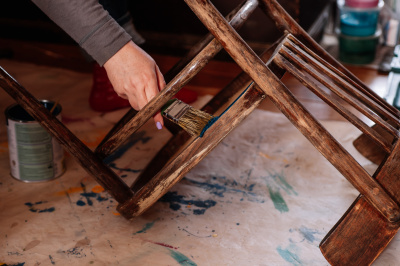
Refinishing changes the surface to refresh the look and protect the wood. The restorer removes the old finish with safe methods. They sand only as needed to keep the shape and detail. Then they add stain or clear coats to reach the colour and sheen you like, from matt to high gloss.
Refinishing is useful when a table top has deep scratches, water rings, or flaking varnish. It is also helpful when a mismatched colour makes a room feel disjointed. A new finish can bring out grain, make cleaning easier, and guard against spills. When done well, it respects the wood and extends the life of the piece.
Reupholstery
Reupholstery focuses on comfort and fabric. The restorer removes worn covers, inspects the frame, and replaces webbing, springs, and padding as needed. New fabric is then cut and fitted so seams lie straight and the seat feels balanced and supportive.
This service suits chairs and sofas with strong frames but tired seats. It is a smart way to keep a classic shape while choosing a fabric that fits your room. You can pick hard-wearing weaves for family spaces, soft velvets for cosy corners, or wipe-clean materials for easy care. The result can look new but still feel familiar.
Structural Repairs
Structural repairs address the strength of the frame. Over time, wood moves, glue dries out, and joints loosen. A restorer can take a piece apart, clean old glue, and reset joints so they are tight again. Broken rails can be spliced, missing parts copied, and screws or dowels replaced with matching sizes.
These repairs make furniture safe to use. A wobbling chair can become firm. A chest with a sagging base can hold weight again. Structural work often goes with refinishing or reupholstery, since it makes sense to fix the frame before refreshing the look.
Need assistance finding furniture restoration near you?
Get a QuoteHow to Choose the Right Restoration Service for Your Furniture
Begin with a clear goal. Do you want to keep the original finish and marks of age, or do you want a fresh surface that suits a new scheme? If history and value matter most, conservation is often best. If you want a different colour or sheen, go for refinishing. If comfort and fabric are the main concerns, choose reupholstery. If the piece is weak or unsafe, structural repairs must come first.
Next, assess the condition. Look for loose joints, missing parts, deep dents, or stains that may not sand out. Check if drawers run smoothly and doors close cleanly. Take clear photos in good light. When you speak to a restorer, share these details and your aims. A good restorer will explain risks, likely results, and costs in plain language so you know what to expect.
Think about use. A sideboard that holds glassware needs a tough finish that cleans easily. A hallway bench needs scuff-resistant paint and firm joints. A reading chair should support your back and feel good for long sits. Choose materials and finishes that fit real life in your home, not only a showroom look.
Factors That Can Affect the Restoration Process
Several factors shape how work is planned. The type of wood matters. Oak is strong and open-grained. Mahogany is stable and fine. Pine is softer and dents more easily. Each wood responds differently to cleaners, stains, and finishes. The restorer chooses products that suit the timber so the result lasts and looks right.
Age and previous work also play a part. Old repairs may hide under polish. Sun fade can change colour from one side to another. Mould or woodworm may need treatment before any cosmetic work begins. These issues can add steps, but they are important for safety and durability. Clear testing at the start helps avoid surprises later.
Environment is another factor. Wood moves with moisture. A house that swings between very dry and very damp can stress joints and finishes. Restorers allow for this by using flexible glues where needed and by sealing surfaces to slow moisture change. After the work is done, simple care such as steady room humidity and gentle cleaning will support long life.
Comparing the Benefits of Each Restoration Type
Each service offers distinct gains. Your choice depends on what you value most. Some people want to honour age and keep patina. Others want a cleaner look and easy care. Some need deeper comfort for everyday use. Here is how the main services compare so you can decide with confidence.
Benefits of Conservation
Conservation keeps original parts and finish, which helps protect historic and market value. It avoids heavy sanding that can soften edges or remove fine detail. The piece keeps its character and the little marks that show a life well-lived. For family heirlooms, this respect for age can mean the most.
Benefits of Refinishing
Refinishing gives a clear visual lift. It removes heavy wear, blends past repairs, and adds a finish that suits modern life. A strong varnish or hard wax oil can make tables easy to clean and resistant to everyday spills. Colour choices also widen. You can go lighter to brighten a room or deeper to add warmth and contrast.
Refinishing can also reveal hidden beauty. Many pieces hide lovely grain under old, cloudy coatings. Once refreshed, the wood shows depth and life again. While refinishing changes the appearance more than conservation, a skilled restorer can still keep a classic feel that suits the age and style of the piece.
Benefits of Reupholstery
Reupholstery improves both look and comfort. You can select fabrics that handle pets, children, and busy homes. You can choose soft textures for a calm mood. Inside the seat, modern foams and natural fillings can be combined to give the support you like. This mix means you do not have to choose between comfort and a tidy shape.
There is also room for personal design. Choosing piping, studs, or a patterned fabric on the back can make a statement while keeping the classic frame. Reupholstery is a smart route when the frame is solid. It avoids the cost and waste of buying new and lets you enjoy a trusted shape with fresh life.
In this article: