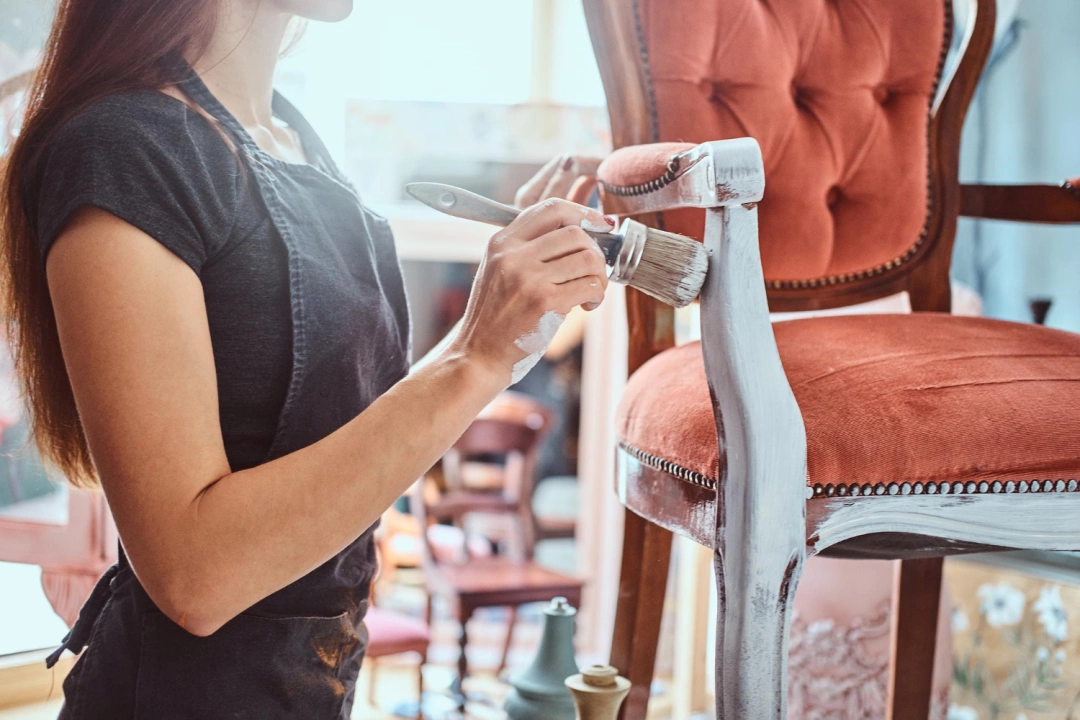
Is It Cheaper to Replace or Restore Furniture?
When a chair wobbles, a sofa sinks, or a table loses its shine, the same question appears. Is it cheaper to replace the item or to choose furniture restoration and bring it back to life? The answer is not the same for every home, every budget, or every piece, because cost is shaped by quality, damage, and what the item means to you.
Restoring a piece aims to keep what is already there. The work may include cleaning, sanding, refinishing, fixing joints, or reupholstering the seat and back. Replacing means buying new, which can feel simple and fast, yet the new item may not match the strength, style, or size of the old one. A careful look at both choices helps you make a clear, cost-smart plan.
This guide explains how to weigh money, time, quality, comfort, and the environment. It also covers when to restore, when to replace, and how to decide between the two with confidence. By the end, you should feel ready to judge your own items, from a dresser you found at a charity shop to a dining set passed down through the family.
Key Factors That Influence Cost
Price is not random. It grows from the materials, the way the piece is built, and the work needed to improve it. Before you spend, consider the points below and how they apply to your item.
Material and Build Quality
Solid wood, quality veneers, and strong frames often cost more to buy new. If you own a well-made item, furniture restoration can be the budget-friendly route. A solid oak chest with worn varnish may need sanding and a new finish, yet it could then last for decades. By contrast, a chipboard unit with peeling laminate might not handle sanding or screws very well.
Joinery matters too. Dovetail drawers, mortise and tenon joints, and sturdy dowels point to higher craft. These features mean the structure can accept repairs and still hold tight. If a piece is stapled together or held by thin cam locks, heavy repair work is rarely worth the expense.
Extent of Damage
Minor wear, light scratches, and loose knobs are quick to fix. Costs stay low and results are visible at once. Deep dents, cracked legs, missing veneer, or warped panels require more time and skill. The bill rises with each stage, such as filling, clamping, and colour matching. A torn sofa cover is one thing. A broken frame and collapsed springs are another story.
Upholstery and Fabric Choices
Textiles can swing the budget. Basic, durable fabrics are kinder on cost, while natural leather, patterned velvets, or stain-resistant weaves add pounds per metre. Foam quality and filling make a difference as well. If your taste leans toward premium fabrics, compare the full reupholstery cost with the price of a new sofa in the same finish.
Age, Rarity, and Sentiment
Some items carry value that is not only about money. A mid-century sideboard, a Victorian chair, or Nan’s sewing table may not be easy to replace. Restoration protects that story and keeps rare craft in use. Even when the repair is not the cheapest option today, the long-term value, both emotional and resale, can make it the wiser path. If a piece is mass-produced and holds no special meaning, replacement is often the simpler call.
Need assistance finding furniture restoration near you?
Get a QuoteWhen Should I Restore My Furniture?
Choose restoration when the bones of the piece are good and the faults are mostly on the surface. A solid timber table with water marks can be sanded and sealed. A high-quality sofa with tired cushions can be re-webbed, re-sprung, and reupholstered. These fixes return comfort and style without losing the build quality that made the piece last in the first place.
Restore when the design suits your space and you would struggle to find that look again. Many modern items follow trends that change fast. Classic forms, real wood grain, and hand-carved details are harder to buy at a fair price today. Repairing them lets you keep a look that fits your home, while avoiding the waste that comes with throwing away a usable frame.
Restoration also supports the planet. Keeping furniture in use cuts landfill and the carbon linked to new production and shipping. If your budget allows a sensible repair, the greener choice often lines up with good value. Ask for a written quote and a brief plan of work so you know what will be done, how long it will take, and what the finished product will look like.
When Should I Replace My Furniture?
Replace furniture when the structure is unsafe or the core materials are failing. If a chair has cracked supports, crushed rails, or woodworm that has weakened key parts, a full rebuild may be costly and still leave doubts. In these cases, buying new protects your safety and your time. The same applies to flat-pack items made with thin boards that have swollen from damp. Once the core is damaged, screws and fittings often have nothing solid to hold.
Replacement makes sense when the piece no longer meets your needs. A sofa that hurts your back, a wardrobe that does not hold enough, or a table that is too small for family meals will keep causing stress. New furniture can add storage, better seat height, and easier cleaning. If a piece fights your daily life, the best fix is often a new start.
Finally, replace when the full restoration price is close to the cost of buying a new, well-made item. Ask for two or three quotes, compare them with the price of new furniture of a similar quality, and include delivery and setup in your maths. If the gap is small and the old piece has no special value, a fresh purchase can be the clearer decision.
How to Decide What’s Best for You
There is a simple way to reach a fair answer. Start with a short check of value, then compare the lifetime cost of each choice, and end with advice from a trusted professional.
Assess the Value in Three Parts
First, judge the money value. What would a like-for-like new item cost today? If your piece is solid wood or a quality brand, write that figure down. Second, judge the practical value. Think about comfort, storage, and how well the size fits your room. Third, judge the sentimental value. Family history, a gift, or a rare design can tip the scales towards repair even when it costs more than a basic replacement.
Give each part a simple score out of five. Add the scores, then compare them with the quotes you have gathered. A high total with a fair repair quote points towards restoration. A low total with a high repair quote suggests replacement.
Compare Lifetime Cost, Not Just Today’s Price
Cheap new furniture can be kind to the wallet at first, but if it wears out fast, the five-year cost can be higher than a good repair. A restored hardwood table might last another twenty years with light care. A low-cost table might need replacing twice in that time. Include care costs too. A well-finished surface may only need gentle cleaning. A delicate finish could demand special products and more time.
Try a simple sum. Take the price of each option and divide it by the years you expect it to last. The lower the number, the better the value per year. Use real numbers from quotes and product listings.
Seek Expert Opinions and Clear Quotes
If you feel unsure, ask a restorer for a short inspection and a fixed quote where possible. A good professional will explain the work, outline risks, and describe the expected finish. They can also tell you when replacement is the smarter choice. For new items, read reviews that mention build quality and frame materials. Check return policies and warranties so you know what support you have.
With the facts in hand, choose the path that meets your budget and values. Furniture restoration suits sturdy, well-loved pieces with fixable faults. Replacement suits weak, unsafe, or unsuitable pieces where repair costs compete with the price of buying new.
In this article: