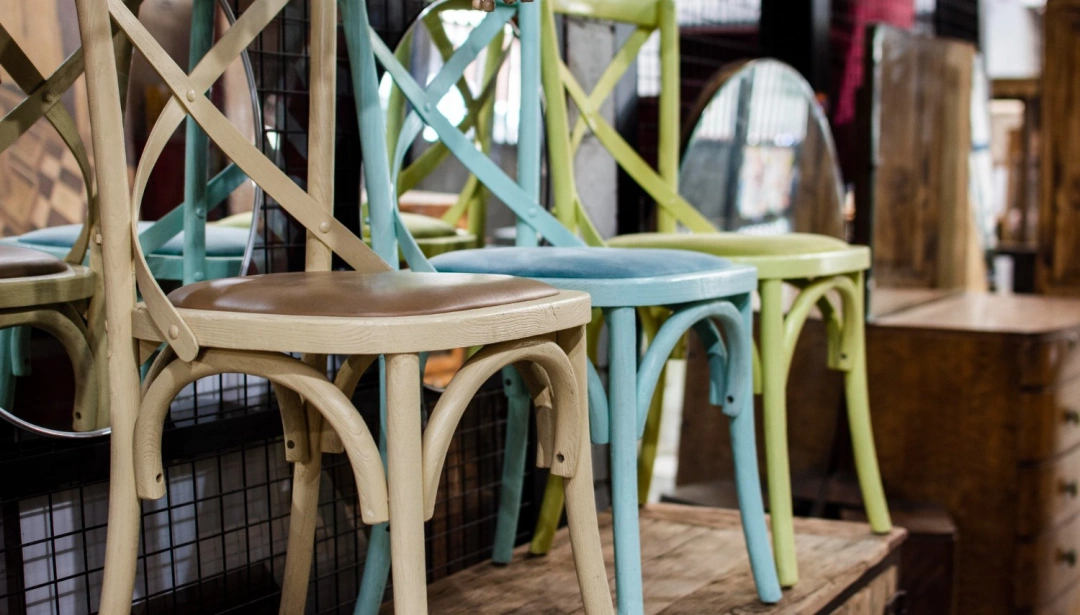
The Benefits of Restoring Furniture Instead of Buying New
Furniture restoration is becoming an increasingly popular choice for people who want to keep treasured pieces while giving them a fresh, updated look. Instead of spending a large amount of money on brand-new furniture, restoration preserves the charm, history, and craftsmanship of the items you already own.
It is more than just repairing damage. Restoration breathes new life into furniture with sentimental or historical importance. A dining table that has hosted generations of family meals, a vintage cabinet found at a market, or a desk used for years of study can all be refreshed to continue serving their purpose.
With skilled care, restored furniture can match or even exceed the appearance and durability of new purchases. It offers a way to save money, protect the environment, and keep the tradition of quality craftsmanship alive.
Unlike mass-produced furniture that can feel generic, restored items carry a story and character unique to them. This individuality makes them not only practical household items but also meaningful additions to your home.
For many, the decision to restore is also about personal satisfaction. There is a special sense of achievement in seeing a once-worn or damaged piece transformed into something beautiful and useful again. Whether you restore it yourself or work with a professional, the process can be both rewarding and creative. In some cases, learning basic restoration skills can even become a fulfilling hobby.
Key Advantages of Furniture Restoration
Furniture restoration brings a variety of benefits that make it a strong alternative to buying new. It combines value for money, sustainable living, and the preservation of personal history.
Cost Savings
High-quality new furniture can be costly, especially if made from solid wood or featuring intricate details. Restoration is often far more affordable because you are paying for repairs and updates, not the full cost of manufacturing and transporting a new piece.
For example, reupholstering a sofa in fabric you choose can be significantly cheaper than purchasing a brand-new sofa of the same quality. Even substantial repairs often cost less than replacing the item entirely. This can be especially true for larger furniture such as dining tables, wardrobes, or cabinets.
Restoration can also be completed in stages, spreading costs over time and allowing you to prioritise the most urgent fixes first. This flexibility means you can manage your budget while still improving the condition of your furniture. Some people also choose to combine restoration with small DIY improvements, further reducing costs.
Preserving Quality Craftsmanship
Older furniture often showcases materials and techniques that are rare today, such as hand-cut joinery, hand-carved decoration, and solid hardwood construction. Many modern alternatives rely on particle board or veneers, which can have a much shorter lifespan.
Restoring older pieces preserves these high standards of craftsmanship, ensuring that the detail and skill that went into the original design are not lost. This maintains the piece’s authenticity and often adds to its value. Even small details, like original brass handles or unique wood grain patterns, can be worth keeping.
In addition, the structure of older furniture is often stronger, meaning it can be restored multiple times over its lifetime, making it a truly long-term investment that can outlast many new purchases.
Customisation Opportunities
Restoration gives you control over how your furniture looks. You might change the stain colour, paint it to suit your décor, replace outdated handles, or choose a new upholstery fabric. These changes can make an older piece feel completely new while keeping its reliable structure.
This allows you to adapt older pieces to modern styles or create a one-of-a-kind look that reflects your personal taste. For people who like to refresh their interiors from time to time, restoration offers the flexibility to keep up with changing trends without constantly replacing furniture.
Emotional and Sentimental Value
Many people own furniture that holds memories. A wardrobe that belonged to your grandparents or a table that hosted countless family dinners carries a personal connection. Restoring these items lets you continue enjoying them while preserving those memories for future generations.
Sentimental value can sometimes outweigh the actual market value of a piece. In such cases, restoration is not only about function and appearance but about keeping something irreplaceable in the family. It keeps the history of your home alive and makes the furniture part of your personal story.
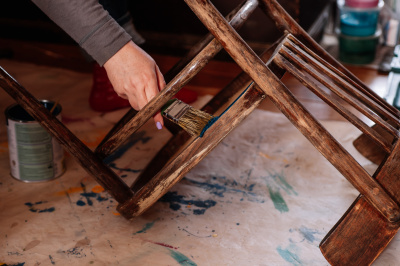
Need assistance finding furniture restoration near you?
Get a QuoteWhy Restored Furniture Often Outlasts New Pieces
Restored furniture often has a longer lifespan than some modern pieces because of the materials and construction methods used in the past. Solid wood frames, reinforced joints, and detailed finishes were designed to withstand decades of use.
Professional restoration strengthens these features. Loose joints are repaired, damaged parts replaced with matching materials, and protective finishes reapplied. This not only revives the furniture’s appearance but also improves its durability.
In contrast, many mass-produced items today are built with cost efficiency in mind, often using lighter materials and less robust assembly techniques. While they may look appealing at first, they can wear out more quickly under regular use.
By restoring a well-made piece, you are essentially combining proven structural strength with updated protective measures. For heavily used items like dining chairs or coffee tables, this can result in furniture that continues to perform well for many more years.
Some restorations also introduce improvements, such as more durable upholstery fabrics or modern protective coatings, further extending the lifespan of the furniture beyond what it could have originally achieved. This means restoration can give you both heritage quality and modern resilience in one piece.
How Furniture Restoration Supports Sustainability
Choosing restoration is a sustainable decision that reduces waste and conserves resources. Every restored piece is one less item sent to landfill and one less new product requiring raw materials and energy to create.
Manufacturing new furniture can involve deforestation, mining, and large-scale production processes that consume significant amounts of water and energy. These processes often produce carbon emissions and other pollutants, contributing to environmental damage.
Restoration avoids much of this environmental cost by extending the life of existing materials. It also reduces the need for transporting new furniture, which can significantly lower the carbon footprint, particularly when shipping is international.
Supporting local craftspeople through restoration not only benefits the environment but also helps sustain traditional skills that might otherwise be lost. This keeps valuable knowledge in the community and provides work for local artisans.
For people looking to make more eco-conscious choices, restoration is a practical and impactful way to contribute to a more sustainable lifestyle. It aligns with the idea of a circular economy, where products are kept in use for as long as possible.
Practical Situations Where Restoration Is the Better Choice
While buying new furniture can sometimes be the right decision, there are many occasions where restoration offers more advantages. Recognising these situations can help you make more informed decisions about your home furnishings.
When the Piece Has Historical or Artistic Value
Antique and vintage furniture, or pieces from well-known makers, often have value beyond their practical use. Restoring them can protect their originality and prevent irreversible damage, keeping them functional and attractive for years to come.
Well-executed restoration can even increase the value of a collectible piece, especially if it is done using methods and materials appropriate to the period when it was made. For collectors, this can be an important factor in maintaining both beauty and value.
When the Furniture Fits Your Space Perfectly
Custom-made or perfectly sized furniture can be difficult to replace. If your current piece suits your space exactly, restoration allows you to keep that fit while updating the look to match new décor.
This is particularly useful in older homes where rooms may have unique layouts that modern furniture designs do not always accommodate. Retaining a well-fitting piece can save both time and money compared to searching for a replacement.
When the Quality Surpasses Modern Alternatives
Well-built older furniture often outperforms many modern products in durability. Choosing to restore these pieces means you keep their solid construction and proven reliability, avoiding the compromises of cheaper, mass-produced alternatives.
This is especially important for furniture that experiences daily wear, such as beds, sofas, and dining tables, where strength and comfort are essential. By restoring them, you ensure they continue to serve you well for years to come.
In this article: