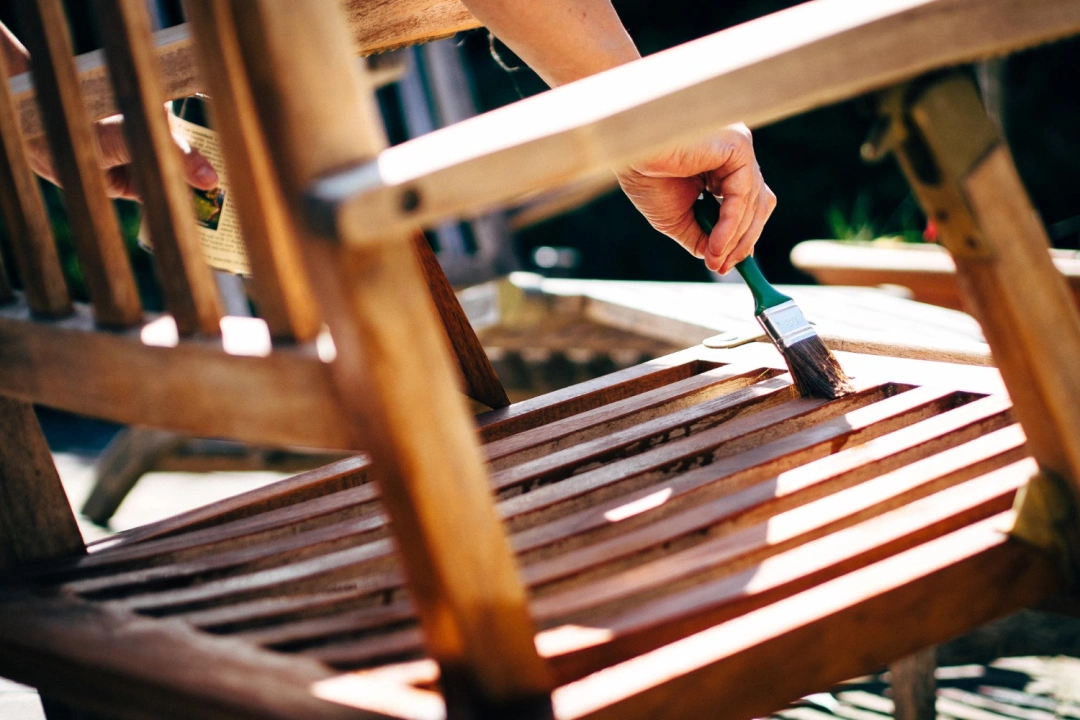
How Long Does Furniture Restoration Take?
Furniture restoration brings tired, worn, or damaged items back to life so they can be enjoyed for years to come. It can be as simple as a careful clean and a fresh coat of wax, or as complex as rebuilding frames, matching veneers, and reupholstering seats. Because every piece has its own story, there is no single answer to the question of how long it takes. Timeframes range from a few days for light cosmetic work to many weeks for structural and finish repairs.
Knowing the likely time helps you plan your home and avoid surprises. It also helps you choose the right service, decide when to book, and understand what steps are involved. This article explains the major factors that influence timelines, offers typical ranges for different kinds of furniture, and shows how the process itself shapes the schedule. It closes with a clear comparison between restoring a piece you already love and replacing it with something new, so you can make a calm and informed choice.
The Factors That Influence Furniture Restoration Time
There are several reasons why one restoration might be quick while another takes far longer. The type of piece, its condition, and the techniques required all play a part. Even the finish on the surface can affect how many days are needed, because coatings must dry and cure between steps.
Type, Age, and Construction
Lightweight modern furniture is often faster to work on than older pieces with complex joints or inlay. A recent pine chair may use simple dowels and screws that can be tightened in an hour, while a Victorian chair could have pegged mortise and tenon joints that need careful cleaning and regluing. Age matters because wood moves with time and earlier repairs might not be stable. Veneer over a substrate can lift or crack and requires precise glueing and clamping. Carvings and turned legs also slow work, since every curve must be cleaned, sanded, and finished by hand to protect detail.
Condition and Scope of Work
The scope of the job has the largest effect on the calendar. Surface wear such as light scratching, water rings, or a dull finish can often be resolved with gentle cleaning, abrading, and a fresh polish in a few days. Deep dents, sun damage, missing mouldings, or wobbly frames take longer. Structural issues require disassembly, which adds time for careful labelling, repair, and reassembly. If parts are missing, a restorer may have to make new components to match the original profile. Upholstery broadens the scope further, as it can involve webbing, springs, padding, and fabric, each with its own steps.
Materials, Finishes, and Curing Time
Different materials demand different methods. Solid hardwood can often be repaired and refinished with predictable results, but veneers need delicate handling and warm, even pressure to bond correctly. Old shellac and wax systems usually cure quickly, while modern lacquers and hard wax oils may require longer gaps between coats. Paint systems also vary. A stripped and repainted dresser needs sanding between coats and adequate curing before it can be handled or stacked. If a finish is rushed, it can imprint, mark, or lose its sheen, so careful timing protects the result.
Workshop Scheduling and Lead Times
Even when the work itself is straightforward, the queue in a busy workshop affects timing. Many small studios book projects several weeks ahead, especially in spring and early summer when people plan home updates. Larger items also need space for safe storage during curing, which limits how many pieces can be handled at once. Good communication helps. If you have a deadline, tell the restorer early so the plan can include ordered materials, drying windows, and delivery slots. A clear schedule reduces idle gaps and ensures your piece moves smoothly from assessment through repair and finishing without avoidable delays.
Need assistance finding furniture restoration near you?
Get a QuoteTypical Timeframes for Different Furniture Types
While every project is unique, it helps to have ballpark figures. These ranges assume a normal workshop schedule and standard availability of materials. Very rare items, complex carving, or unusual finishes can extend these times.
Dining or side chairs with light wear may be turned around in three to five days if the work is limited to cleaning, retouching, and polishing. If a chair is loose and needs joints opened, cleaned, and reglued, allow one to two weeks. Where a drop-in seat needs new webbing, padding, and fabric, the job can run to two or three weeks, especially if fabric is on order.
Tables vary widely. A small coffee table with scuffs might be completed in under a week. A large dining table that needs stripping, stain matching, grain filling, and several clear coats usually takes two to four weeks, because each coat needs to dry and be abraded before the next is applied. Warped tops or split boards add extra days for flattening and glue cure time.
How the Restoration Process Affects Timelines
The process is made up of stages, and each stage has tasks that cannot be rushed. An assessment comes first. The restorer inspects the piece, checks for loose joints, hidden breaks, woodworm, and earlier repairs, then agrees a plan with you. A clear scope avoids changes mid-project, which would otherwise add days or weeks to the schedule.
Preparation follows. This includes cleaning, removing hardware, and protecting labels or makers’ marks. If a finish must be removed, stripping is done with care to avoid gouging. Timber is then sanded through sensible grits so new coatings have a smooth base. Repairs come next. Joints are taken apart and reglued, splits are stitched, and missing mouldings or veneer patches are cut and fitted. Each adhesive needs clamp time to set fully before the piece can be handled.
Finishing is the final and often longest stage. Stains are applied and allowed to dry. Sealers, shellac, oil, or lacquer are laid on in thin coats. Each coat must cure before it can be flattened and the next coat added. Polishing brings up the final sheen. If upholstery is part of the brief, cutting foam, stretching webbing, tying springs, and fitting fabric are added to the queue. Quality checks at the end ensure doors hang true, drawers run cleanly, and surfaces are fully cured before delivery.
Comparing Restoration Time to Replacement Time
It is natural to ask whether buying new is faster. In some cases it is, but the picture is not always simple. Delivery, assembly, and disposal of old items all add time. There are also quality, style, and environmental factors that can make restoration the wiser choice even if it takes longer.
Buying New: Speed Versus Fit
Picking a ready-made item from stock can be quick, especially for flat-pack ranges. Yet many people want a specific size, timber colour, or fabric. Custom orders can take four to twelve weeks, and popular models can be delayed by supply issues. Once the item arrives there is still time for assembly, fitting, and any returns if the finish or size is not quite right. In contrast, a restored piece already fits your room and often only needs a brief settling-in period while finishes harden fully.
Why Waiting for Restoration Can Pay Off
A restored piece often offers better value over its life. Older furniture was usually made with solid timber, strong joints, and repairable parts. After careful work, it can serve for decades and can be repaired again if needed. The time you invest now protects a piece with history and character. It also avoids the cycle of frequent replacement, which costs time every few years in shopping, delivery, and set-up.
The Environmental and Emotional Benefits
Keeping a well-made item out of landfill saves resources and reduces emissions from new production and transport. Many households also have pieces with family meaning. Restoring a wedding gift, a grandparent’s chest, or a chair bought for a first home preserves memories that cannot be replaced. These benefits do not show on a clock, but they matter when you look back on the result.
In this article: