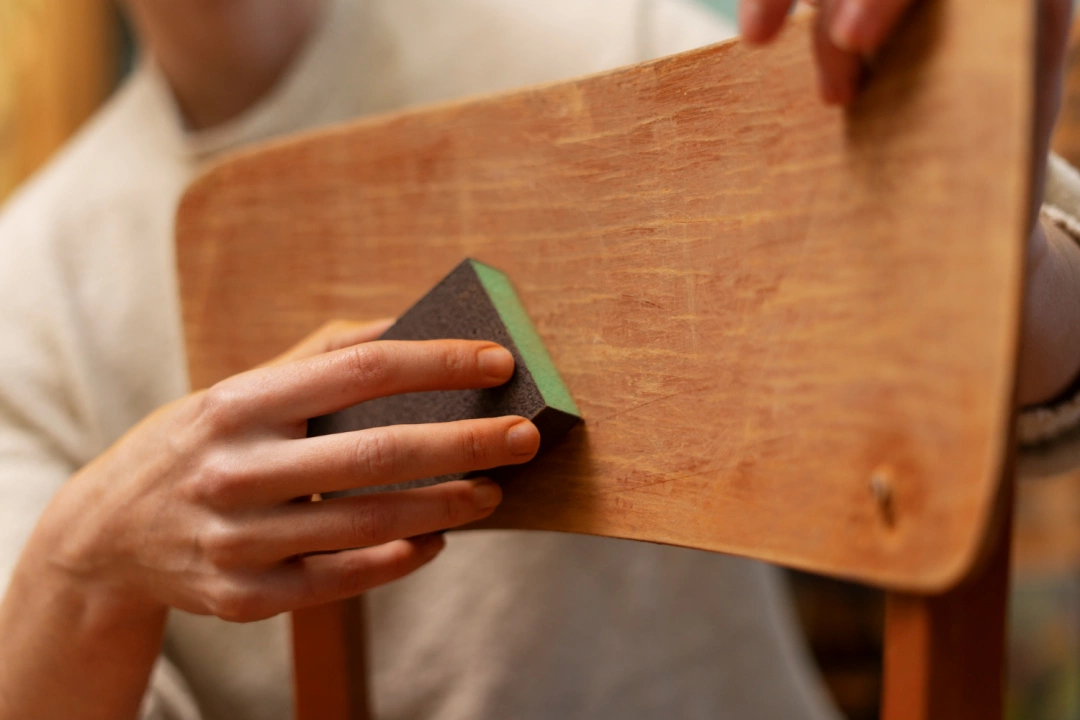
Common Mistakes to Avoid When Restoring Furniture
Furniture Restoration attracts many people who enjoy rescuing tired tables, chairs, and cabinets and giving them a fresh purpose. It can save money, reduce waste, and protect styles that are no longer made. Yet the work needs care, patience, and planning. If you skip key steps or guess at methods, you may harm the piece you love, or spend more time and money correcting problems than you hoped to save.
This guide explains the mistakes that are seen most often and shows you how to avoid them. It also covers the effects those mistakes can have on value, safety, and appearance. Finally, it compares a careful do-it-yourself plan with hiring a craftsperson, so you can choose the path that fits your skills, your budget, and the importance of the item.
Frequent Errors Made During Furniture Restoration
Successful Furniture Restoration begins before the first tool touches the wood. Most errors come from rushing the early stages, using the wrong products, or ignoring the story that the piece is already telling you. The following points are the slip-ups that cause the greatest trouble and how to steer clear of them.
Skipping Proper Preparation
People often jump straight to sanding or staining without a proper survey of the furniture. Dirt, wax, and grease can sit deep in carvings and corners. If they are not removed, new finishes will not stick, and blotches will appear. Loose joints, missing screws, and small cracks also need attention first, or the piece may move later and split a clean surface that you worked hard to improve.
Using Harsh or Unsuitable Tools
Another common error is reaching for the most aggressive tool because it feels quick. Heavy grit sandpaper can cut through veneers in seconds, flatten mouldings, and round crisp edges. Steel wool can shed metal fibres that rust under a finish. Paint strippers designed for outdoor masonry can burn timber and raise grain. Even screwdrivers used as prying tools can bruise soft woods and leave dents that are hard to hide.
Applying the Wrong Finish
Finishes protect and decorate, but not every product fits every job. A modern glossy polyurethane can seal an antique so tightly that it looks like plastic. Coloured oils can stain unevenly on patchy timber. Wax alone offers little protection on a dining table. Water-based varnish can show raised grain if the wood was not misted first. When the finish clashes with the design or use of the furniture, the result looks odd and often wears poorly.
Rushing the Process
Impatience is a frequent cause of failure in Furniture Restoration. A stain that is not wiped evenly leaves lap marks. Sealers that are recoated too soon can wrinkle. Glue joints handled before full cure can creep and open later. Dust control takes time as well. If you paint or varnish in a dirty space, airborne grit will settle in wet film and create a rough feel that needs sanding back and repeating.
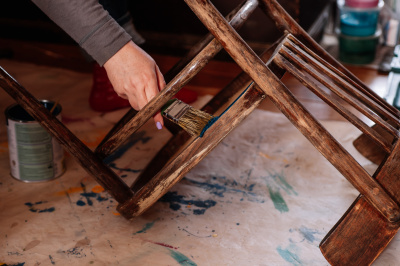
Need assistance finding furniture restoration near you?
Get a QuoteHow These Mistakes Can Impact Your Furniture
The mistakes above do more than spoil appearance. They shorten the life of the furniture and can even create safety risks. Poor preparation leaves hidden grime that blocks adhesion, so finishes peel and chip. Moisture then reaches bare timber and encourages swelling or mould. Loose joints that were ignored can shift under load and turn a sturdy chair into a wobbly hazard for family and visitors.
Harsh tools remove material that gives a piece its character. A thin veneer once cut through cannot be replaced with ease, and the new patch will rarely match. Sharp profiles that were planed by hand lose their crisp lines if sanded too much. Once a detail is gone, the value drops, and the item may no longer match a set. Heavy stripping can also open pores that soak stain unevenly, forcing you to use darker colours than planned.
The wrong finish can hide grain and trap problems. A thick plastic-like coat may seal in dust, oil, or moisture. As the wood moves with seasons, the film can crack, turning daily cleaning into a cycle of flaking and touch-ups. On antiques, a modern finish that cannot be reversed makes future conservation harder. Rushing multiplies all these outcomes. Each shortcut adds up, and the final look can seem dull, rough, or streaky long before it should.
Ways to Minimise Risks When Restoring Furniture
Plan the project from the start, and you will prevent most errors. Begin with learning. Identify the wood species, check whether parts are solid or veneered, and decide what must be conserved rather than replaced. Gather tools and materials suited to that plan so you are not tempted to use whatever is nearest. A simple kit of gentle cleaners, fine papers, a scraper, quality brushes, and a known finish will cover many jobs well.
Work in a clean area with bright light from more than one direction. Place the piece on a stable bench or trestles that keep it level. Use dust sheets and a vacuum with a brush head to remove debris as you go. Protect yourself with gloves, a mask, and eye protection when needed. Label and bag all small parts. Keep notes in a notebook with dates, products used, and drying times. These records help if you need to pause and resume later.
Test everything first. Clean a small patch, try the stripper on a hidden corner, and check the stain on the underside of a shelf. If a step does not behave as expected, adjust before you commit. Follow drying and curing times, and let glue lines rest as long as the bottle states. Aim to remove as little original material as possible while creating a sound and beautiful result that respects the history of the furniture.
Comparing DIY vs Professional Work for Avoiding Mistakes
Many people can complete simple Furniture Restoration with care and patience. Others will gain more by hiring an expert. The right choice depends on the piece, the fault to be corrected, and your tools and time. Here is a simple way to weigh your options before you start.
When DIY Makes Sense
DIY suits items with low to moderate value, straightforward structure, and clear access to all parts. Tasks like cleaning, light sanding, tightening screws, and applying oil or wax are within reach of most careful owners. DIY also works well when you want to learn and have the flexibility to spread the project over weekends. The personal pride of bringing back a bedside table or a toy chest can be a strong reward.
Set a budget for materials and accept that learning may include small mistakes. Read guides, watch trusted makers, and practise on scrap wood before the real piece. Keep designs simple rather than chasing complex stains or sprayed finishes. If you reach a point where a repair feels uncertain, pause and seek advice. Good judgement is knowing when to stop before damage occurs.
When a Professional is the Better Choice
Hire a professional when the furniture is of high value, has sentimental importance, or shows structural or veneer issues that demand specialist tools. A restorer can match missing mouldings, press back loose veneer with heat and cauls, and tone colour with dyes and shellac so patches blend. They also manage risks like lead paint and old finishes that react with modern products. For tables and chairs that must handle daily stress, expert joinery ensures long-lasting strength.
Professional work costs more at the start, but it can save money by avoiding failed attempts and protecting value. Ask for a clear plan, including the intended finish, the reversibility of steps, and care instructions for after the work. Choose someone who shares photos of the process, not only the final shot. This transparency helps you understand what you are paying for and how the piece will be preserved.
In this article: