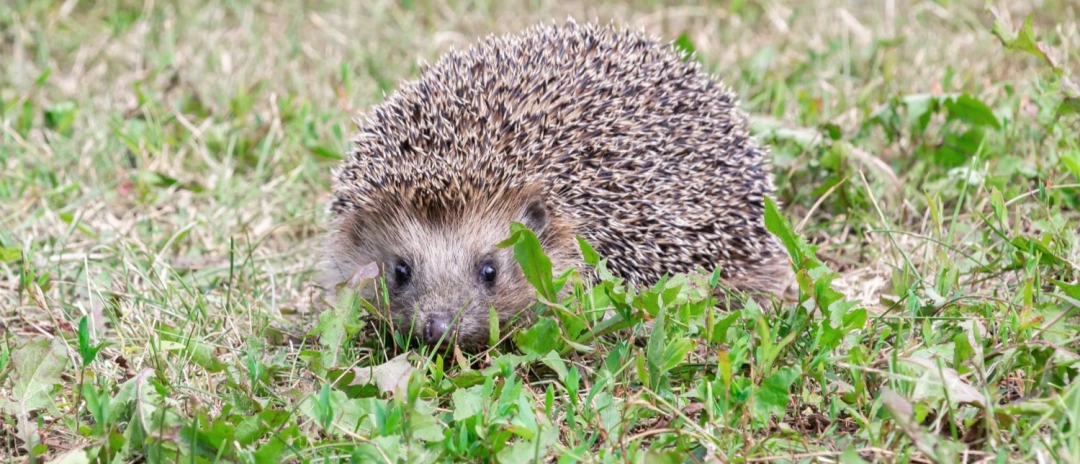
How to Prevent Wildlife from Entering Your Home or Garden
Wildlife plays a vital role in keeping nature balanced. From birds that eat pests to hedgehogs that help control insect numbers, wild animals are important for the health of our environment. But when these creatures begin to explore our homes or gardens, they can cause trouble. Common problems include damage to plants, noise, mess, and in some cases, danger to pets or even people. This is why it is important to take steps to stop wildlife from entering areas where they are not wanted. A few simple changes to your property can help keep animals safe and your space peaceful.
Preventing wildlife from coming into your garden or home is often easier than dealing with them once they are already inside. It is not about being cruel or chasing them away, but about creating a space that does not offer food, shelter, or comfort for unwanted visitors. This guide will explore useful and simple tips that anyone can follow. Whether you live in the countryside or a town, these steps can help you enjoy your outdoor and indoor spaces without wildlife disturbances.
Simple Ways to Make Your Property Less Inviting to Wildlife
Most wild animals visit gardens or homes for the same reasons – food, water, or a place to rest or hide. If you take away these temptations, animals are far less likely to visit or stay. Here are some useful ways to make your space less attractive to wildlife.
Keep Food Sources Locked Away
Rubbish bins, compost piles and even bird feeders can become easy meals for animals like foxes, rats or raccoons. Leftover food and scraps are especially appealing and can quickly attract a variety of wildlife. Make sure your bins have secure lids that cannot be easily opened or knocked over. Keep pet food indoors and avoid leaving bowls out overnight. Compost bins should also be closed tightly to avoid drawing attention.
If you feed birds, choose feeders that do not spill and clear up any dropped seeds. Place them high enough so that larger animals cannot reach them. Regularly cleaning feeding areas also helps prevent disease and stops attracting pests.
Seal Off Entry Points
Small gaps in your home’s walls, roof or windows may be enough for wildlife to enter. Mice, squirrels and other creatures are known to squeeze through surprisingly small spaces in search of warmth and safety. Inspect your house for holes or cracks, especially around pipes, vents, the attic and basement. Seal any gaps using safe materials like wire mesh, sealant or metal covers. Check garages, sheds and greenhouses too, as these often go unnoticed.
Install screens over chimneys and vents to block access without stopping airflow. Repair broken bricks, tiles and fencing to remove weak spots animals might exploit.
Manage Garden Waste Properly
Wildlife often looks for cosy places to shelter. Piles of leaves, wood or long grass make perfect hiding spots or nesting areas for many creatures, including foxes and badgers. Clear garden waste often and store it in sealed bins. If you compost, do so in a proper bin with a lid, not just a pile on the ground. Tidy gardens are less appealing to wildlife because they offer fewer hiding spots.
Cut grass regularly and trim overgrown bushes. Keep logs and firewood neatly stacked and raised off the ground to avoid giving shelter to insects, snakes or rodents.
Install Simple Deterrents
There are many gentle ways to stop wildlife from visiting without harming them. Tools like motion-activated lights or sprinklers can scare off larger animals like deer or foxes without causing pain or stress. Use garden netting, fencing or spiky strips in places where animals often sneak in. These should be placed safely to ensure no harm is caused. Reflective tape, wind chimes or even certain scents can also act as mild deterrents.
Always use these tools responsibly and never set traps or poisons, as these can hurt both animals and humans. The goal is to make your property less inviting, not dangerous.
Need assistance finding wildlife control near you?
Get a QuoteWhy Prevention Is Better Than Removal
Dealing with wildlife problems after they have started is often difficult, expensive and time-consuming. It might involve calling experts, moving animals safely, or even repairing damage to your home or garden. Many animals in the UK are protected by law. This means you are not allowed to disturb their nests, move them or harm them without special permission. Breaking these rules can lead to fines and legal trouble.
Even when removal is allowed, it rarely solves the problem for long. If the conditions that attracted animals in the first place remain the same, new animals will likely show up to take their place. By preventing wildlife from becoming a problem to begin with, you save money and avoid stress. It also helps animals by keeping them in their natural surroundings instead of forcing them to relocate or live in unsafe places.
Garden Habits That Can Attract or Deter Wildlife
Your daily gardening habits can influence how attractive your space is to wild animals. While some people enjoy wildlife visits, others want to keep animals at a safe distance. How you look after your garden can make a big difference. Leaving pet food or birdseed on the ground is a common cause of unwanted animal visits. Spilled food attracts not just birds but also rats, squirrels, raccoons and even foxes. Keeping feeding areas clean is essential.
Water features like ponds and birdbaths may also draw wildlife. If not cleaned regularly, they can attract pests and become breeding spots for insects. Choose covered or flowing water features to avoid stagnation and limit access to larger animals. Plant choices can also attract or deter certain species. Sweet-smelling flowers may bring bees and butterflies, while tender vegetables may invite rabbits or deer. Use natural deterrent plants like mint, rosemary or lavender around vegetable patches.
Consider installing barriers around sensitive areas like vegetable gardens or flower beds. Raised beds, wire mesh and fencing can all help protect your plants while still allowing birds and insects that are helpful to visit freely.
When to Seek Help With Wildlife Prevention
Although many wildlife issues can be solved with a bit of effort, there are times when it is best to call a professional. Experts can help you handle difficult situations safely, legally and kindly. Here are a few cases when outside help might be needed.
When You Cannot Find the Source
Unusual noises in the attic or signs of animals without clear entry points can be puzzling. Professionals can carry out full inspections and use tools to detect how and where animals are entering your home. They can also check if animals are nesting or raising young, and advise the best steps to take. This is especially important if the animals have already started to cause damage or distress.
If You Are Dealing With a Protected Species
In the UK, bats, some birds and other wildlife are protected under law. You must not disturb or move these animals without permission. Even blocking their entry can be illegal in some cases. If you believe you have a protected animal on your property, call a local wildlife group or pest control expert who has the proper licences and training to act safely and legally.
When DIY Methods Do Not Work
Sometimes, even after trying everything, animals keep returning. When this happens, a professional can install stronger barriers or provide custom advice based on your property layout. They may use advanced tools like cameras or scent markers to understand the problem better. Most importantly, they can give long-term solutions that protect both your home and the animals.
In this article: