How Wildlife Control Services Remove Animals Safely and Humanely
Wildlife control is a vital service that helps protect people, buildings and animals from harm. Wild animals can cause issues when they enter homes, gardens or businesses, including damage to property, spreading of diseases and risks to human safety. These situations must be handled with care to keep everyone, including the animals, safe.
Removing wild animals needs to be done in a responsible and kind way. That is why wildlife control services aim to remove animals without hurting them. This includes using methods and tools that guide or trap the animal without causing pain or fear. It also means understanding local laws and the correct way to deal with each species, especially those that may be protected or endangered.
Proper wildlife control goes beyond removing the animal. It also includes stopping the same problem from happening again. This may involve sealing off entry points, advising homeowners on proper waste storage and making small property changes to avoid attracting animals. The goal is to find a peaceful, long-term solution that keeps homes safe and wildlife unharmed.
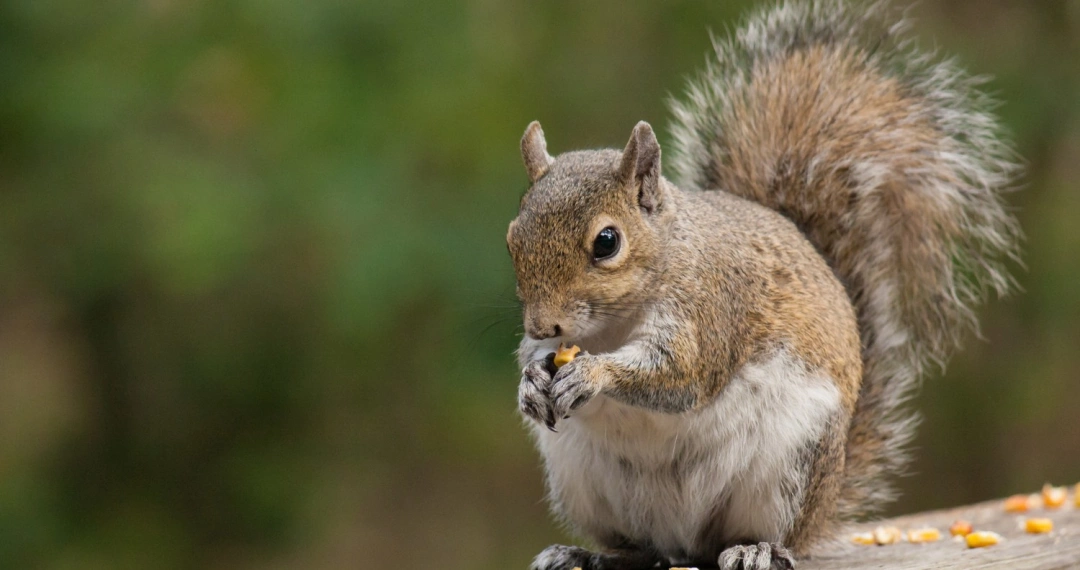
Whether it is a bird in the attic, a fox in the garden or squirrels in the loft, trained wildlife control experts know how to handle the situation safely. Their knowledge and care ensure that animals are treated kindly and properties are protected using the best possible methods.
Steps Professionals Take to Ensure Humane Wildlife Removal
Wildlife control experts follow a careful process to remove animals without harm. Each step is designed to protect the animal, follow the law and provide a lasting solution for the property owner. These steps are based on years of training and follow clear guidelines and legal rules.
Assessment and Identification
First, the team inspects the property. They look for signs like droppings, footprints or damage. These clues help them understand what kind of animal is present, how many there are and where they are located. The team may also ask questions about when the noise or sighting was first noticed to help build a clear picture.
Identifying the species is important because each animal behaves differently. Birds may nest in chimneys, while rodents enter through small holes. Bats, which are often protected, need special care. Getting the identification right helps shape a safe and proper removal plan that respects the animal's behaviour and needs.
Planning a Safe Removal
Once the issue is clear, the team creates a removal plan. This may include one-way doors that let animals out but not back in, or using gentle tools to guide them out. The goal is to avoid stress or injury for both the animals and the people involved.
Traps may be used in some cases, but they are designed to catch animals without harm. These are checked often to avoid keeping animals trapped for too long. During baby season, special care is taken not to separate mothers and their young. Delays in removal might be needed until it is safe to move the family together.
Humane Trapping and Relocation
When trapping is needed, the team uses safe and comfortable cages. These are placed in areas where animals are active and checked regularly. Once caught, animals are relocated to safe places where they can survive without risk.
The release area must have enough food, shelter and space. It also needs to be far enough away to prevent the animal from returning. Local rules often decide where and how far animals can be moved, and professionals always follow these rules. Animals are often released in areas with suitable habitats like wooded spaces or rural areas far from busy roads and homes.
Prevention and Follow-up
After removal, the team looks for entry points like vents, cracks or gaps. These are repaired or sealed to stop future problems. The area is also cleaned to remove any smells or waste that could attract other animals. This also helps prevent the spread of bacteria and parasites that could affect pets or children.
Many services also give advice on how to avoid attracting wildlife again. This might include closing bins, removing outdoor food or trimming back plants. These small changes can go a long way in keeping properties safe. Some services offer follow-up visits to check the site and make sure no new problems have appeared.
Need assistance finding wildlife control near you?
Get a QuoteWhy Humane Wildlife Removal Is So Important
Using humane methods is not just the right thing to do — it is also more effective and safer. Wild animals do not set out to cause trouble. They are usually just looking for shelter or food. Treating them kindly helps protect nature and keep the local environment balanced for future generations.
In many areas, laws protect wild animals, especially during breeding seasons. Using harmful methods can lead to fines or legal trouble. Humane removal follows these laws and helps keep everyone safe from legal risk. It also avoids negative publicity that might come from using inhumane practices, especially in public or business settings.
Safe methods also reduce danger for people. Scared or hurt animals can be aggressive. Humane removal avoids this by keeping things calm and controlled. It also lowers the chances of animals returning by focusing on long-term solutions that stop the problem at its root.
Kindness teaches respect for wildlife. It helps people understand that these animals have a place in the world. Children and adults alike can learn to care for nature while also keeping their homes safe and clean. A community that values animal welfare tends to take better care of the environment overall.
Common Misconceptions About Wildlife Control
Many people have the wrong idea about what wildlife control involves. One common belief is that it always means killing the animal. In fact, most trained professionals avoid harm and only use force if there is no other option — which is rare and usually not needed.
Some think wild animals only enter dirty or poorly kept homes. This is not true. Even clean houses can attract wildlife if there are open spaces, food or water sources. Wildlife visits are often seasonal or caused by changes in the environment nearby, such as nearby building work or tree removal.
Another myth is that once the animal is gone, the issue is solved. But without sealing entry points or removing smells, other animals can take their place. Ongoing care is key to preventing future visits and keeping homes safe for the long term.
There is also the idea that all wild animals are dangerous. While they can carry disease or damage property, most just want to be left alone. By understanding this, more people are likely to choose kind and careful wildlife control services rather than taking risky or harmful action themselves.
What to Look For in a Responsible Wildlife Control Service
Choosing the right service is important. Not all companies use humane methods, so it is good to know what signs show a service is reliable and caring. This can make the difference between solving a problem properly or facing it again later on.
Trained and Licensed Staff
Make sure the staff are trained in animal behaviour and removal. They should have the right licences and know the local rules. Ask about their experience and whether they keep up with new techniques. Qualified professionals are more likely to use kind and safe methods that meet the law.
Humane Methods and Clear Plans
Ask how animals are removed. The service should avoid poisons and harmful traps. They should be able to explain their process clearly and say where the animal will go. Look for a service that also offers follow-up and prevention steps to stop future issues.
Good Communication and Fair Pricing
The company should explain what they will do and give a clear price. There should be no hidden fees. A written plan helps you know what to expect. A good company will answer your questions and respect your concerns from start to finish, making sure you feel informed and confident at every stage.
In this article: