Wildlife Control for Landlords and Property Managers
Wildlife control is something every landlord and property manager should think about. Across the UK, animals like rats, mice, squirrels, birds, and foxes often find their way into rental properties. While they may seem harmless at first, these animals can cause real trouble.
From damaging buildings to spreading disease, wildlife brings many risks to both the property and the people living there. That’s why it is important to know how to prevent problems before they start, and how to deal with them quickly if they do appear.
In this article, we explain why wildlife issues should not be ignored, what the law says about them, and what steps landlords can take. We also look at how to choose the right wildlife control service to help you keep your property safe and well-maintained.
Why Wildlife Problems Are a Serious Concern for Rental Properties
Wildlife in or around a rental property may seem like a small issue, but it can lead to serious consequences. These problems affect both landlords and tenants, so they should be addressed as early as possible.
Property Damage
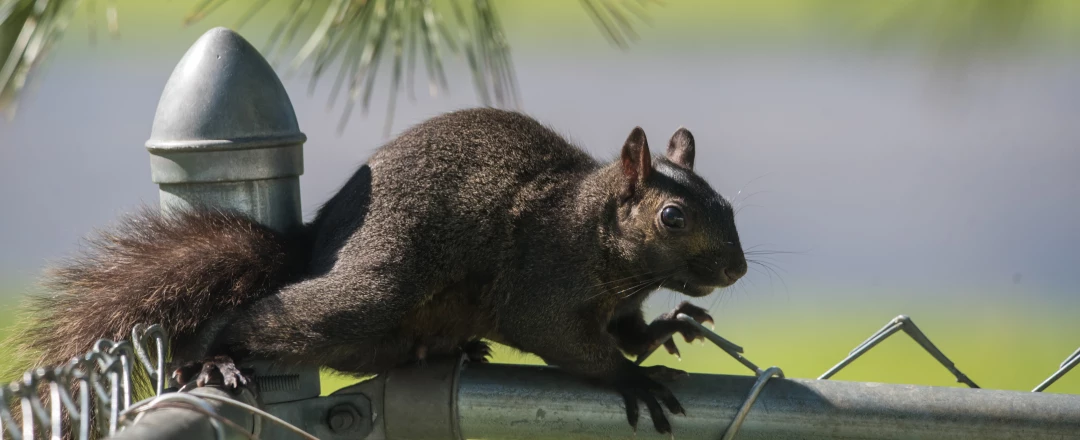
Animals like rats and mice often chew through wires, insulation, and wood. This damage can be expensive to fix and may even be dangerous. For example, chewed electrical wires can cause fires. Birds nesting in roof spaces can block gutters, leading to water damage. Squirrels in lofts can tear insulation apart and create entry points for rain or cold air.
Over time, this kind of damage affects the quality of the property. Repairs cost money, and problems left too long can lead to larger structural issues. Tenants may also feel that the property is unsafe, which could cause them to move out.
Health Risks to Tenants
Wildlife can spread illness. Rats, mice, and birds carry diseases that can be passed on to humans through droppings, bites, or contact with contaminated surfaces. These diseases include leptospirosis, salmonella, and hantavirus.
Parasites like fleas, ticks, and mites often travel with wild animals. These pests can easily move into living areas and affect people and pets. In some cases, the health risks can be very serious, especially for children or older tenants.
Unhappy Tenants and Complaints
Even if no major damage has occurred, the presence of wildlife can make tenants uncomfortable. Scratching sounds in the walls, droppings, bad smells, and sightings of animals all cause stress. Tenants may feel that their home is not being looked after properly.
When tenants are unhappy, they are more likely to leave or report the problem to the local council. If many tenants leave, landlords may face longer void periods, more advertising costs, and possible damage to their reputation.
Ongoing Costs and Legal Risks
If landlords do not act quickly to remove wildlife, the problem usually gets worse. A few rats can turn into a large infestation. What starts as a blocked gutter can lead to a water leak and mould. These issues often cost much more to fix later on.
Also, if tenants complain and a council inspection takes place, landlords may be asked to take action. Failure to do so can lead to legal notices or fines. These outcomes can be avoided by acting early and keeping the property well maintained.
Need assistance finding wildlife control near you?
Get a QuoteWhat UK Law Says About Wildlife in Rental Properties
Landlords in the UK are legally required to make sure their properties are safe and suitable for people to live in. This includes keeping the property free from pests and health hazards. Wildlife falls under this rule when it affects the safety or wellbeing of tenants.
The Housing Health and Safety Rating System (HHSRS) is used by local councils to check rental homes. If inspectors find signs of pests or animals causing harm, they can issue a notice asking the landlord to fix the issue. This could include sealing gaps, repairing damage, or using professional wildlife control services.
Some animals are protected by law. For example, bats and some birds are covered by the Wildlife and Countryside Act 1981. Their nests and roosting spots cannot be moved or destroyed without permission. This means landlords must be careful and follow the law before taking action. Breaking these rules could lead to prosecution or fines.
To stay within the law, it is a good idea to contact your local council or a licensed expert before trying to remove wildlife. Taking the right steps shows that you are acting responsibly and protecting both your property and your tenants.
Steps Landlords Can Take to Prevent Wildlife Issues
Stopping wildlife from entering your property is much easier and cheaper than removing it after a problem starts. Prevention takes planning, but it pays off over time. Below are some helpful steps landlords can take.
Start with regular property inspections. Check the outside of the building for holes, cracks, or missing bricks where animals might enter. Pay special attention to the roof, vents, and under doors. Any small gap is an opportunity for wildlife to get inside. Use sealants, steel mesh, or filler foam to close these gaps properly.
Keep the area around your property clean and tidy. Bins should have tight lids, and rubbish should be collected on time. Overgrown gardens can attract rats and foxes. Encourage tenants to store food securely and clean up spills quickly. Ask them not to feed wildlife, as this can make problems worse.
Inside the property, look for early signs of wildlife. These can include droppings, nests, scratch marks, or strange smells. Attics, basements, and unused rooms are common hiding spots. If you spot anything, act straight away. The sooner you deal with a problem, the easier and cheaper it is to fix.
Finally, educate your tenants. Let them know what to watch for and how to report problems. Give them guidance in the tenancy agreement about keeping the home clean and not leaving windows or doors open for long periods. This creates a shared sense of responsibility for the property’s condition.
What to Know Before Hiring a Wildlife Control Service
When prevention is no longer enough, professional help is the safest way to deal with wildlife. Choosing the right wildlife control service is key to solving the problem properly and legally.
Choose the Right Type of Company
Look for a company that is licensed and experienced in wildlife control. A firm that is part of the British Pest Control Association (BPCA) or another trade group is more likely to follow proper rules. They will also know how to handle protected animals safely and legally.
Ask if they have dealt with your specific problem before. Dealing with rats is different from removing a bird’s nest. A company with the right training and tools will give you better results. Read online reviews and ask other landlords for recommendations if possible.
Understand What the Service Includes
Before agreeing to a service, ask for a full explanation. What will they do? How will they remove the wildlife? Will they come back to check the property later? Do they offer a guarantee? Get a written quote that includes the full cost so there are no surprises later.
Some companies also include follow-up visits or advice on stopping the problem from coming back. Others may only offer removal. Knowing what is included helps you choose the right service for your needs and budget.
Make Sure They Help with Prevention
Removal alone is not enough. Once the animals are gone, it is important to stop them from returning. A good wildlife control company should offer advice on sealing entry points, improving rubbish storage, and making the area less appealing to wildlife.
This added support not only solves your current issue but helps you avoid future ones. Over time, that can protect your property and save you money on repairs and complaints.
In this article: