When to Call a Wildlife Control Professional in the UK
Wildlife plays a big role in keeping the UK’s environment balanced. Animals such as birds, foxes, bats, hedgehogs, and badgers help with pollination, pest control, and plant growth. But sometimes, these wild animals can end up in places they should not be — like homes, gardens, or schools. When this happens, it can be worrying or even dangerous.
Many people are unsure whether they should try to handle the problem themselves or contact someone trained to deal with it. That’s where wildlife control professionals come in. These experts are trained to deal with wildlife problems in a way that is safe, kind, and legal. They know how to help both people and animals.
In this article, we’ll explain when it’s best to call a wildlife control expert, what the law says about dealing with animals, how these professionals work, and what to ask before hiring one. If you’re facing a wildlife issue, this guide will help you make smart and legal choices that protect both you and the animals involved.
Situations Where Professional Help Is Strongly Advised
Some wildlife problems are simple and can be solved with a few changes, like closing off gaps or moving food sources. However, other situations need a trained expert. Calling a wildlife control professional can help avoid harm, follow the law, and keep the problem from happening again.
When an Animal Poses a Danger
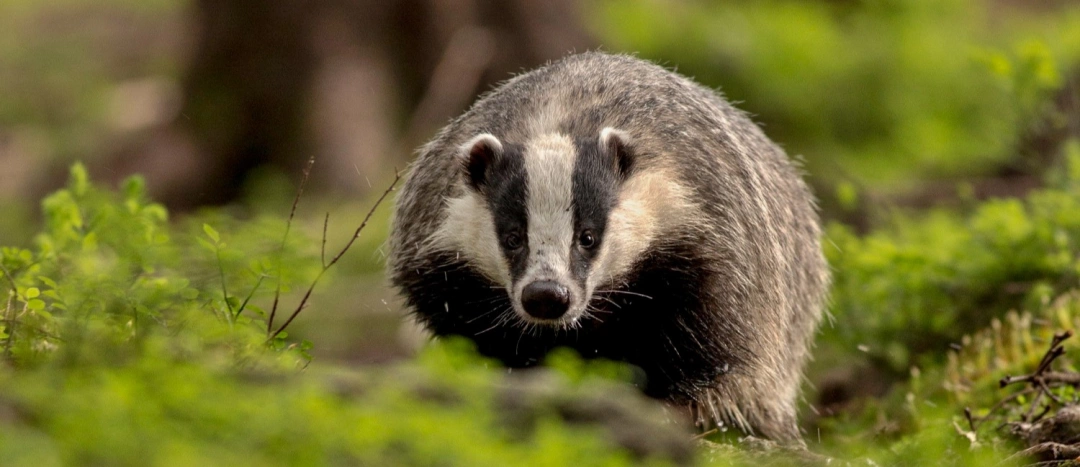
If a wild animal is acting in a way that could harm people or pets, it’s best not to go near it. This can include swans or foxes that are unusually aggressive, badgers digging near your home’s foundations, or squirrels inside your loft. Animals in fear or pain can lash out, and some may carry diseases that can be passed to humans. Trained professionals know how to safely catch and remove animals that are behaving strangely or dangerously. They use tools and techniques that keep everyone safe, including the animal itself. Trying to deal with it on your own could lead to injury or make the situation worse.
Infestations or Large Groups
Having one bird in your roof may not seem like a big deal, but if it turns into a group of nesting pigeons or starlings, the noise, mess, and damage can grow quickly. The same goes for squirrels, mice, or rats. If they chew wires or insulation, they could cause fires or other safety risks. Professionals can find out how many animals are present, where they are nesting, and how to safely move them out. They can also help stop them coming back by closing holes and giving you advice on what caused the problem in the first place.
Protected or Endangered Species
Some animals in the UK are legally protected. This means it is against the law to harm them, trap them, or even disturb their homes. Bats, for example, are protected at all times. It’s illegal to block their entry or move them without special permission, even if they are in your loft or wall. If you think a protected animal is on your land or in your home, do not try to move it yourself. Instead, contact a wildlife control expert who has the right licence and knowledge. They will know the correct steps to take to stay within the law while keeping the animals safe.
Diseases or Strange Behaviour
Sometimes animals behave in odd ways due to illness. A nocturnal animal, like a hedgehog, wandering around in broad daylight may be injured or sick. Foxes with mange or birds with avian flu can also pose a risk to humans and pets. A professional can identify if an animal is unwell and take the right actions to handle the situation. They also know how to wear protective gear and dispose of materials that might spread illness. This helps prevent risks to the people living nearby.
Need assistance finding wildlife control near you?
Get a QuoteUnderstanding Your Legal Responsibilities Around Wildlife
In the UK, wildlife is protected by several laws. One of the main ones is the Wildlife and Countryside Act 1981. This law protects animals from being harmed without a good reason. It also protects their nests, homes, and places where they raise their young. Even if an animal is causing a problem, there are strict rules about how it can be dealt with.
For example, you are not allowed to remove or destroy a bird’s nest if it is being used, even if it’s built in your roof or chimney. You also cannot use harmful traps, poisons, or nets unless the law allows it. Breaking these rules can result in fines or even legal action.
This is why hiring a trained wildlife control expert is so important. These professionals know the rules and have the correct licences. They understand when action is allowed and how to do it in a legal and fair way. They will also explain what you can and can’t do if the same issue happens again in future.
How Professionals Assess and Handle Wildlife Issues
When you contact a wildlife control expert, they will first ask questions to learn about the problem. Then, they’ll usually come to inspect your property. They’ll look for signs of animals, such as droppings, tracks, noises, smells, or damage. They will also try to find out how the animals are getting in and out.
After they’ve looked around, they will create a plan. The plan might involve setting traps, placing one-way doors, or gently moving animals out by hand. All methods must be humane and should not cause pain or fear to the animal. Lethal methods are rarely used and only when legally allowed and no other choice is possible.
Once the animals are safely removed, the expert will advise on how to stop the problem from coming back. This can include sealing holes, installing guards on vents, or trimming trees that give access to roofs or chimneys. They may also give tips on keeping gardens clear of food scraps or pet waste, which can attract wildlife.
In many cases, wildlife control services also offer clean-up help. Animal waste, nests, or droppings can carry bacteria or attract insects. Cleaning up safely helps keep the area healthy and stops other animals from being attracted to the smell.
What to Ask Before Hiring a Wildlife Control Expert
Choosing the right wildlife control professional is very important. You want someone who is trained, legal, and kind to animals. Before you decide who to hire, make sure to ask the right questions. This helps you feel confident and ensures the animals are treated properly.
Are You Licensed and Experienced?
Not everyone offering animal control services is properly trained. Ask if they hold licences to work with wildlife, especially if the animals are protected. Also ask how much experience they have with the type of animal causing the problem. A person who has handled bats before will be better prepared than someone who has not.
You can also ask to see proof of training or qualifications. Many trusted professionals are members of groups like the British Pest Control Association or hold special wildlife handling permits. Checking reviews or ratings online can also give you a better idea of their service quality.
What Methods Do You Use?
Always ask how the professional plans to remove or handle the animal. They should be open and honest about what they will do. Look for humane and kind methods that aim to protect the animal while solving the problem. Avoid any service that talks about poisons or traps without explaining when and why they are used. A good expert will always try to find a solution that keeps animals alive and unharmed. They should also be willing to explain how their plan follows UK law and safety standards.
Do You Offer Prevention and Advice?
Fixing the problem once is helpful, but it’s better if it doesn’t happen again. Ask the professional if they offer help with prevention. This can include blocking entry points, removing food sources, and changing parts of your garden or building to stop animals from coming back. Some services even include check-ups to see if the problem returns later. Good prevention advice saves time and money in the long run and helps protect both people and animals.
In this article: