Wildlife Control vs Pest Control What’s the Difference?
When you find animals or insects causing trouble around your home, you may not be sure who to contact. Many people think wildlife control and pest control are the same, but they are not. Each one deals with different types of creatures in different ways.
Wildlife control deals with wild animals like birds, foxes or squirrels, while pest control focuses on insects and small pests like ants or mice. Getting the right help for your situation is important if you want the problem fixed properly.
This article explains the key differences between the two services. It will help you decide who to call when you notice unwanted animals or insects near your home or garden. Making the right choice saves time, money and keeps you safe.
How Wildlife and Pest Issues Are Handled Differently
Though both wildlife and pest problems involve animals or insects, the way they are managed is very different. These services follow different rules, use different tools and aim for different outcomes depending on the type of issue.
Types of Animals They Deal With
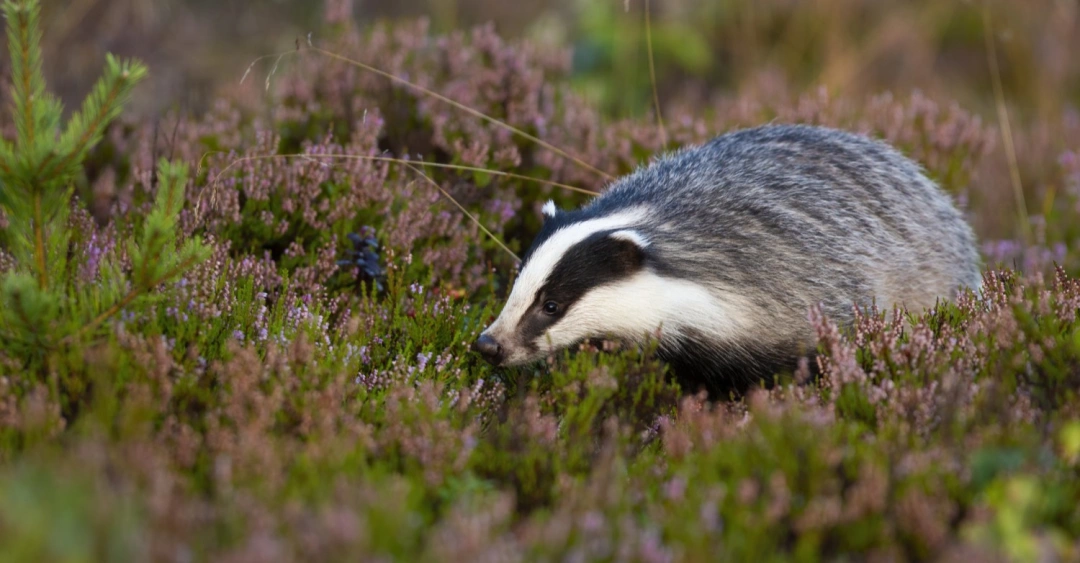
Wildlife control handles animals that are normally found outdoors and live in the wild. This includes foxes, badgers, squirrels, bats, birds and even hedgehogs. These creatures may enter your garden, attic or garage by mistake or in search of shelter or food.
Pest control deals with creatures that often live near people, such as mice, rats, ants, cockroaches, fleas and wasps. These pests usually cause health risks or property damage, and their numbers can grow quickly if not treated fast.
How They Remove the Animals
Wildlife control uses gentle and humane methods to remove animals. These include live traps, one-way doors and safe release in a different location. The goal is to guide the animal out of your home without causing harm.
Pest control tends to use quicker methods aimed at stopping an infestation. These include sprays, poison, bait stations and insect growth regulators. Some pests, like cockroaches or fleas, need chemical treatments that stop them from spreading or returning.
Legal Rules and Guidelines
In the UK, certain wild animals are protected by law. This means they cannot be harmed, moved or disturbed without a proper licence or knowledge of animal welfare laws. Wildlife control experts are trained to follow these laws and avoid breaking them.
For example, it is illegal to destroy an active bird nest or to disturb bats, which are protected. Only licensed professionals should deal with these animals to avoid harming them or facing fines.
Pests like ants or wasps are not usually protected. Pest control can take quicker action to remove them if they are causing health concerns or damaging your home. Even so, safety and care for pets and children are always important.
Long-Term Prevention
Wildlife control experts often help make long-term changes that keep animals away in future. This may include sealing entry points in roofs, using chimney guards, clearing overgrown bushes or installing fencing to block paths.
They also look for what attracted the animal, such as bins left open or pet food outside. Fixing these problems helps stop animals from coming back.
Pest control experts may give advice too, such as keeping food sealed, fixing leaks or filling gaps in floors or walls. Many also offer ongoing service plans for regular checks and treatment, especially in places that often have pest problems.
Need assistance finding wildlife control near you?
Get a QuoteWhy It Matters to Call the Right Type of Service
Choosing between wildlife control and pest control matters more than you may think. If you contact the wrong type of service, they may not be able to help, which wastes time and money. You could also risk breaking the law if protected animals are involved.
For example, if you call pest control to deal with pigeons or bats in your roof, they may not have the training or licence to remove them. The job may need a wildlife expert who can remove the animals safely and legally.
On the other hand, if you contact wildlife control for a cockroach infestation in your kitchen, they may not have the correct products or equipment to treat the problem. You may end up needing to pay for another visit from the right service.
Getting it right the first time means faster results and less stress. It also protects your home and makes sure animals are handled with care and according to the law. Professional services give helpful advice and show you how to stop the same issue from happening again. This approach keeps your home safe, protects your family’s health and makes sure animals are treated properly. It also helps reduce damage and saves money in the long run.
Examples of When to Use Wildlife Control or Pest Control
Knowing when to call each service makes solving the problem much easier. Let’s look at some common examples that show which service is best suited for different situations.
If you hear loud thumping or scratching in your loft, especially during the day, it might be a squirrel or bird. If you see feathers, nesting materials or droppings, call wildlife control. They can remove the animal without harm and help you seal the area afterwards. If you find a bird nest in your chimney or a bat colony in your attic, you must contact a licensed wildlife control service. These animals are protected, and you could be fined for disturbing them without expert help. If you spot a fox visiting your garden regularly or a hedgehog trapped under decking, wildlife control can rescue the animal safely. They also know how to guide animals away without hurting them or causing panic.
Pest control is better when you see signs of ants in your kitchen, holes in food packets, or droppings behind your fridge. These are signs of mice, rats or cockroaches. Quick action is needed to prevent illness or further damage. Wasps building a nest near your front door, or fleas brought in by pets, are also pest control issues. These can be treated with sprays or dusts, and pest experts know how to do it without putting your family or pets at risk.
Sometimes the problem is not clear. You might see something moving at night in the garden or find damage to bins. If unsure, call either service and describe the problem. A good company will tell you if they can help or suggest the right expert.
Questions to Help You Choose the Right Professional
When you face an animal or insect problem, it helps to ask yourself some questions before calling for help. These questions can guide you to the right type of service, saving time and avoiding mistakes.
What Kind of Creature Is It?
Try to identify what kind of animal or insect you are dealing with. Is it large, like a bird or fox? Or is it small, like an ant or mouse? If it seems wild and not something that normally lives indoors, wildlife control is likely the right choice.
If it is a creature that often causes infestations or is usually found in kitchens, bathrooms or bins, pest control will be better suited. Pay attention to signs like droppings, damage or noise to help you decide.
Where Is the Problem Happening?
Think about the location. Is it in your loft, garden or garage? Wildlife often chooses places like these for shelter. In these cases, wildlife control should be your first contact.
Problems in the kitchen, bathroom, under floorboards or inside cupboards are usually caused by pests. Pest control teams have the tools and training to treat these areas safely and effectively.
Is the Animal Protected?
Some animals are protected in the UK, and harming them could lead to legal trouble. If you think it may be a protected species, like a bat or certain types of birds, always contact wildlife control.
They can check the area, confirm the animal type, and take the right steps without breaking the law. This protects both the animal and your home, and gives you peace of mind that the problem is handled the right way.
In this article: