Signs You May Have a Wildlife Problem on Your Property
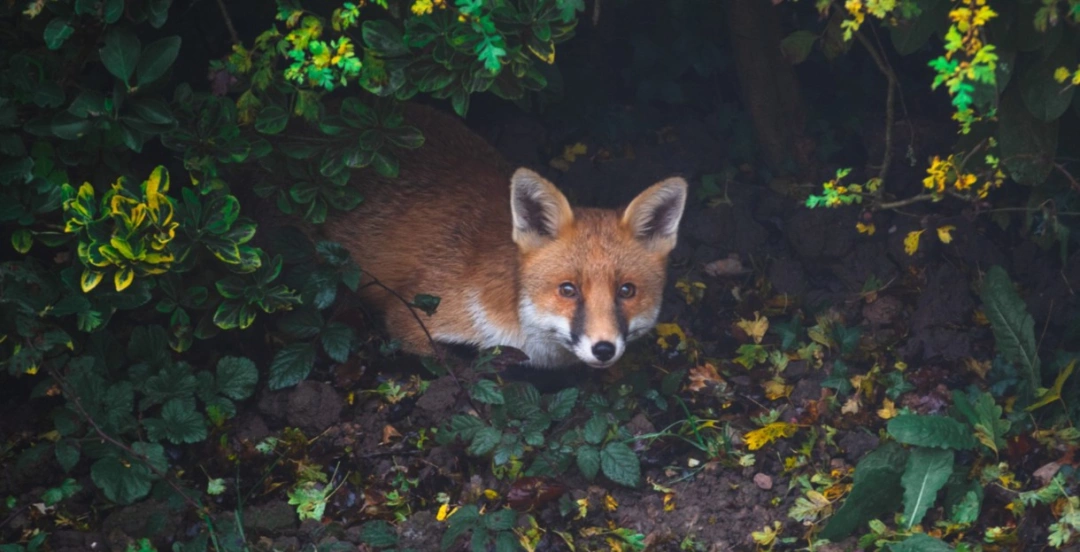
Many people enjoy seeing wildlife now and then. A fox passing through or birds singing in the trees can seem harmless. But sometimes animals get too close and start living in or around your home. When this happens, it can lead to problems that should not be ignored.
Wildlife control is about more than just keeping animals away. It helps protect your home, health, and safety. If animals like squirrels, rats, foxes or birds settle on your land, they can cause damage, spread disease, and make your living space uncomfortable.
In this guide, we will explore how to spot the signs that wildlife may be living on your property. We will also explain why these signs matter, how to work out what kind of animal you are dealing with, and what to do next if you have a wildlife issue. Learning to spot early clues can save time, money and stress. Taking the right steps now can help you avoid bigger problems later. This article is designed to give you clear and simple advice so you can act with confidence.
Common Clues That Wildlife Has Moved In
Wild animals are clever and can often live near people without being seen right away. But they usually leave behind signs of their presence. The sooner you spot these clues, the sooner you can take action. Here are some signs that may show animals are making themselves at home on your land.
Unusual Noises
One of the most common signs is hearing odd sounds, especially at night. Scratching in the loft, scurrying in the walls, or bumps in the ceiling could mean animals are moving around inside. Other sounds to listen for include squeaks, growls, or flapping wings. These noises often come from spaces that are quiet and dark, like attics or under floorboards. Noises that repeat or move around the house are a strong clue. Try to take note of the time and place the sounds are heard. This can help when trying to identify the type of animal.
Droppings and Nests
Animal droppings are one of the clearest signs of wildlife. They may be found in corners, cupboards, or along skirting boards. The size, shape, and amount of droppings can help tell what type of animal left them behind. Rodents leave small dark droppings, while birds may leave white and dark waste mixed together. Larger animals, like foxes or badgers, leave bigger waste in garden areas or along fences.
Nests are another strong clue. These may be made from grass, leaves, paper, or bits of rubbish. You might find them in sheds, lofts, behind appliances, or in tree branches close to the house.
Property Damage
Animals often chew or scratch things while building nests or finding food. You might notice gnaw marks on wires, wooden beams, or plastic pipes. Squirrels and rats are especially known for this kind of damage. Holes in floors, gaps in the roof, or broken vents could mean animals have found a way in. Watch out for shredded insulation, knocked-over bins, or soil that has been dug up. Outside, you may see paw prints in the mud, marks on fences, or plants that have been eaten. If animals are getting into your rubbish, you might find torn bags or scattered food.
Animal Sightings
It is normal to see animals now and then, but repeated sightings are a warning sign. If you often see the same fox, bird, or rodent, it may be living nearby. Animals seen in daylight, especially ones that do not seem scared, may have become used to humans. Watch for birds flying into roof spaces or squirrels entering holes in walls. These actions show the animals are not just visiting but living there. You may also notice pets acting oddly, barking or staring at walls where animals are hiding.
Need assistance finding wildlife control near you?
Get a QuoteWhy Ignoring the Early Signs Can Lead to Bigger Problems
It might be easy to put off dealing with a small wildlife problem, especially if it seems harmless at first. But ignoring the signs can lead to serious trouble. Wild animals are not pets, and when left alone, they can do a lot of damage over time. For example, rats and mice chew on electrical wires. This can cause power cuts or even fires. Squirrels in the loft can tear up insulation and scratch wood beams. These problems may cost hundreds or even thousands of pounds to fix.
Wildlife can also affect your health. Droppings and urine from rodents can carry diseases like leptospirosis or salmonella. Bird droppings can contain harmful fungi. Even breathing in dust from nests or waste can cause breathing problems in some people. Some animals carry fleas, mites, or ticks. These can spread through your home and bite people or pets. Once a pest problem starts, it can grow quickly and become hard to manage.
In addition to damage and health issues, having wildlife nearby can attract other animals. If one rat finds food in your garden, others may follow. This leads to a growing problem that becomes harder to control.
How to Confirm What Kind of Wildlife You’re Dealing With
Before you can fix the problem, you need to know what animal is causing it. Different animals behave in different ways, so spotting the right signs is key to choosing the best solution. Start by checking for droppings. Mice leave small droppings the size of rice, while rats leave larger ones. Squirrel droppings look similar to rats but are often found in the loft. Bird droppings tend to be white and black and are found under nests or roosts.
Tracks in soft soil or dust can also help. You might see paw prints, claw marks, or even a tail drag mark. Try taking a photo of the track if you can. Comparing it to online images can help identify it. Look at the damage too. Chewed wood, shredded paper, or scratch marks often give clues. A squirrel may tear up soft items to make a nest. Foxes might dig under fences. Birds may pull away roof tiles to get into lofts.
Some people use wildlife cameras or motion detectors to track what animals visit during the night. These tools are simple and often give a clear picture of what you are dealing with. If you are still unsure, a local wildlife control expert can visit and inspect the area. They will be able to confirm the type of animal and recommend the safest next step.
Next Steps If You Think You Have Wildlife on Your Property
If you have seen the signs and believe wildlife is active on your land, there are some safe and helpful steps you can take. Acting quickly and carefully can stop the problem from getting worse.
Do a Careful Check of the Area
Walk around your home and garden slowly. Check sheds, garages, lofts, and basements. Look for droppings, food waste, nesting materials or entry points. Shine a torch into dark spaces where animals might hide. Listen for noises and pay attention to smells. A strong musky scent often means animals are marking their territory. Take notes or photos of what you find. This will be useful if you need to call for help.
Use Safe and Legal Wildlife Control Methods
Always check the law before trying to move animals yourself. Some, like bats or certain birds, are protected and cannot be harmed or removed without a licence. You can block holes, seal bins, and remove food sources. Use smells or sounds that animals do not like to keep them away. Cut back thick plants that give them shelter. These simple changes often make a big difference.
Call in a Professional
Sometimes the problem is too big to handle on your own. If the animal is protected or hard to remove, call a trusted wildlife control service. They have the tools, knowledge, and licences needed to handle animals safely. A professional will also look for hidden entry points and offer long-term fixes. This might include installing mesh, fitting stronger vents, or advising you on better waste storage. Dealing with wildlife the right way protects your home and the animals too. Humane, careful action is always best for everyone involved.
In this article: