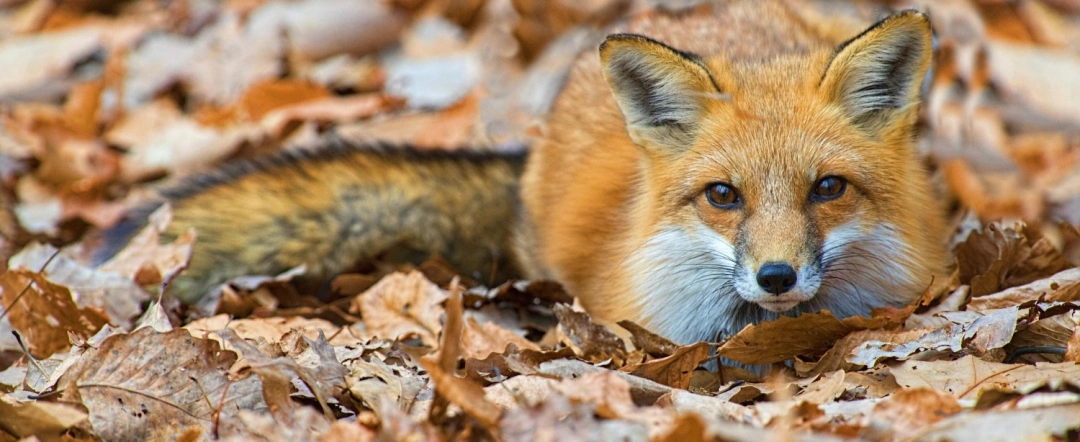
What to Do If You Discover a Wild Animal in Your Home
Coming across a wild animal in your home can be a shock. Whether it’s a squirrel in your attic, a bird in your living room, or a fox in your garden shed, the situation can feel overwhelming. It's easy to panic, but knowing what to do will help you respond in a safe and responsible way.
Many animals enter homes by mistake, often looking for food or shelter. Some may be lost, injured, or simply exploring. This guide will help you understand how to handle such situations calmly and carefully. Following the right steps can keep you, your family, and the animal safe from harm. Wildlife control is not just about removal; it’s about handling these situations humanely and sensibly.
Stay Safe and Assess the Situation Calmly
When you notice a wild animal inside your home, your first instinct might be to chase it away or shout. But reacting too fast can lead to accidents, stress, or harm. It’s important to pause, breathe, and look at what’s really going on. Try to stay calm and avoid sudden movements. This step is about understanding the situation. What animal is it? Is it in one room or moving through the house? Does it seem aggressive, scared, or stuck? These answers will help you decide what to do next and whether you need expert help.
Keep Your Distance
Do not try to approach or touch the animal. Even if it looks small or harmless, it may feel frightened and act out. Wild animals can bite, scratch, or carry diseases. Stand back and give it space. Keep pets and children away as well, and try to reduce noise or movement in the area.
Secure the Area
If it’s safe, shut the door to the room where the animal is. This keeps it from escaping into other parts of your house. Close other doors too, so it stays in one place. Make sure windows are shut in the rest of the house to prevent it from entering again later. This makes it easier to manage the situation or wait for a wildlife control expert to arrive.
Identify the Animal
From a distance, try to see what animal it is. A bird might flap around but not do much harm. A badger or fox could be more dangerous. Take a mental note of its size, colour, and behaviour. You don’t need to know the exact species, but having a rough idea helps if you call someone for help.
Check for Injury or Distress
Is the animal limping, bleeding, or trapped? Or does it just seem confused or lost? If it looks like it’s in pain or can’t move, it may need special help. But if it’s alert and just stuck, it might be able to get out on its own if given a quiet path. The more you observe, the better you can decide what kind of help is needed.
Need assistance finding wildlife control near you?
Get a QuoteKnow When to Step Back and Get Help
Some situations are simply too risky to handle on your own. Large animals, aggressive behaviour, or injured wildlife need expert care. Trying to deal with this yourself can put you and the animal in danger. Wildlife control experts are trained to remove animals safely without causing harm to anyone involved.
If the animal is acting strangely or is known to carry diseases, don’t wait. Call a local wildlife control service. They know how to handle common cases in your area. You can find their details online or through local council resources. Explain where the animal is, what it looks like, and how it’s behaving. This helps them bring the right tools and plan the right approach.
It’s also worth noting that some animals are protected by law. Certain birds, bats, and wild mammals cannot be harmed or moved without proper permission. Removing these animals without advice could get you into legal trouble. Always check before taking any action, especially if you are unsure about the type of animal involved.
In urgent situations, like if the animal is stuck in your chimney, hiding under floorboards, or trapped in a wall, do not try to remove it with tools. You may make the problem worse or injure the animal. A professional can often solve the problem more quickly and safely. This protects both your home and the creature involved.
What Not to Do If You Find Wildlife Indoors
It’s easy to make the wrong move when you’re frightened or frustrated. But doing the wrong thing can cause harm or make the situation worse. There are a few common mistakes you should avoid if you ever discover a wild animal in your home.
Do not chase, hit, or shout at the animal. These actions will only make it more afraid and likely to hurt itself or someone else. Loud noises, waving arms, or cornering the animal can cause panic. A frightened animal may attack in defence or flee into an even harder-to-reach space.
Never use household tools like brooms or nets to remove the animal. These tools can injure animals and are often not effective. You could also hurt yourself trying to force the animal out. Likewise, don’t try to trap it using food, buckets, or makeshift cages. These methods can be unsafe and are often illegal for protected species.
Also, don’t try to care for the animal yourself. Feeding wild animals can cause health problems or interfere with their natural behaviours. Offering water or shelter may seem kind but can confuse the animal. Instead of encouraging it to stay, you want to create an environment where it can leave calmly and safely.
What to Do After the Animal Has Been Removed
Once the animal is safely out of your home, there’s still work to do. Cleaning up, checking for damage, and stopping future visits are just as important. This final step ensures your home remains safe, healthy, and secure.
Wildlife control is not only about reacting to an emergency. It’s also about making smart changes that help prevent another unwanted visit. Use this time to check your home and fix any weak spots or problems caused by the animal’s visit. A little effort now can save you from bigger issues later on.
Clean the Area Thoroughly
Even if the animal was only inside for a short time, it may have left behind droppings, fur, feathers, or other mess. Clean all affected areas using gloves and strong disinfectant. Wash any fabrics it touched, such as cushions, curtains, or rugs. If you find nests or chewed materials, remove and dispose of them safely.
Make sure to air out the space if possible. Open windows to let in fresh air and allow any smells to leave. This also helps dry any surfaces you’ve cleaned. If the animal spent time in your kitchen, make sure to throw away any exposed food. Wipe down counters, cupboards, and shelves as well.
Inspect for Damage
Check carefully for signs of damage. Wild animals can chew wires, scratch floors, or break vents. Look inside the loft, under furniture, and around windows. Even small gaps can be important. Fix or replace anything that’s broken to make your home safe again. If the damage is serious, consider getting professional repairs.
It’s also wise to check plumbing and heating systems. Some animals may chew through soft piping or nest near warm water tanks. Take a few minutes to inspect these areas. This can help avoid leaks, fire hazards, or costly repairs later on. If you’re unsure, ask a technician to take a closer look.
Make Your Home Animal-Proof
Look around your home for ways animals could get in. Check for gaps in doors, broken vents, cracked windows, and holes in walls. Pay attention to roof spaces, chimneys, and garages. Use mesh, sealant, or covers to block access. You can also add screens or draft stoppers to protect less obvious entry points.
In some cases, you may wish to speak with a wildlife expert to get advice on how to better protect your property. They may suggest changes to your outdoor space or help you understand what attracts animals in the first place. Keeping bins shut, storing food properly, and trimming back overgrown plants can all make a difference.
It’s also worth doing a regular check every few months. Walk around your home and look for any signs of damage, droppings, or possible entry points. This habit can help you spot problems early and take action before they grow into bigger concerns. Wildlife control works best when it’s part of an ongoing plan, not just a one-time fix.
In this article: