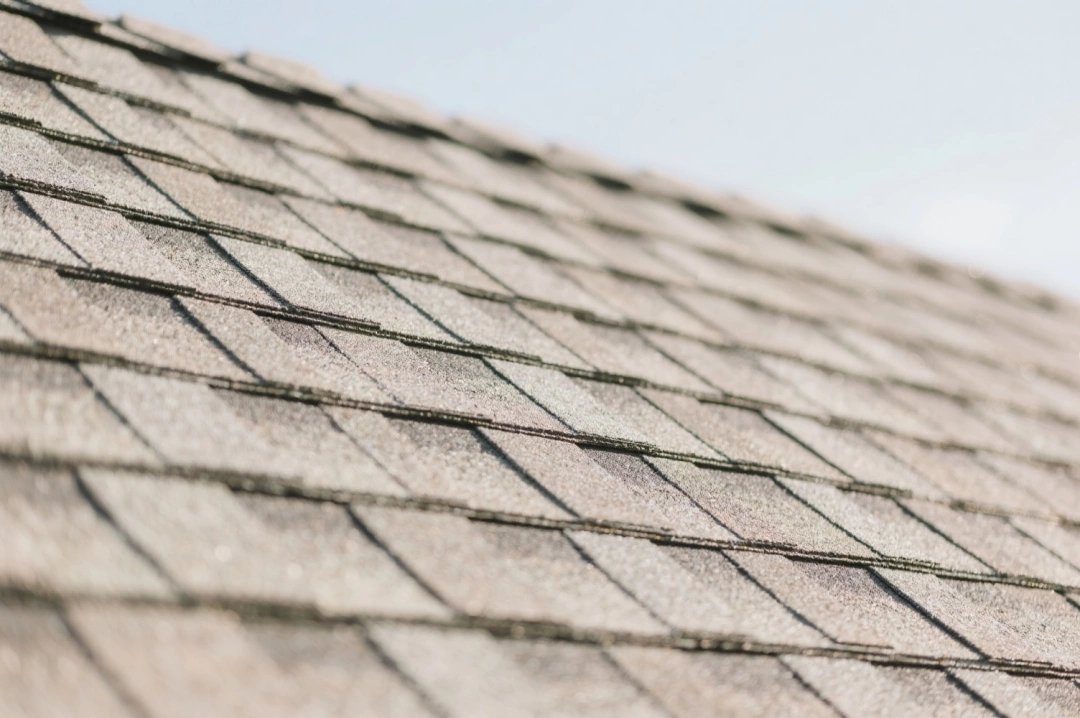
Pros and Cons of Using Felt Shingles on Your Roof
Felt shingles are a popular roofing material that has been used on buildings across the UK for many years. They are often chosen for small projects such as sheds, summerhouses and outbuildings, but they can also be seen on some home extensions or garages. These shingles are known for being easy to work with, cost-effective and fairly good at keeping the elements out. However, like all roofing materials, they have their own advantages and disadvantages that you should carefully think about before making a decision.
In this article, we will look at the pros and cons of using felt shingles, explain where they work best, where they might not be ideal, and how to decide if they suit your building project. Understanding all sides will help you make a well-informed choice.
What Makes Felt Shingles a Popular Roofing Choice
There are a number of reasons why felt shingles continue to be used for both residential and garden structures. Below are the key benefits that make them stand out from other materials.
Affordability
One of the most common reasons people choose felt shingles is because they are much cheaper than many other roofing options. They cost less to buy and are less expensive to install. Whether you are working on a tight budget or just want something basic for a small building, felt shingles can offer good value for money.
This makes them a go-to solution for homeowners who need to save without sacrificing basic weather protection. They are also easy to replace in small sections. If a part of the roof becomes damaged over time, you don’t need to redo the whole roof, which keeps costs lower in the long run.
Ease of Installation
Felt shingles are lightweight, flexible and simple to cut to size. This makes them ideal for do-it-yourself projects or for tradespeople who need to complete jobs quickly and efficiently. They can be fitted with basic tools, which means no expensive equipment is needed.
Their overlapping design also helps with water drainage and makes fitting more forgiving for those with less experience. The ability to install them easily makes them especially useful in locations where access is limited or when you want to finish the roof in a short space of time.
Good Appearance
Despite being one of the more affordable roofing choices, felt shingles can look surprisingly smart. They are made in various colours and finishes, some of which are designed to mimic the look of tiles or even wooden shingles.
This allows homeowners to match the roof with their existing buildings or garden features. It also means the shingles can add to the overall look of a space, rather than just being a purely practical choice. The neat and uniform finish that felt shingles provide can boost the visual appeal of outbuildings, making them look tidier and more complete.
Weather Resistance
When installed properly, felt shingles give decent protection against wind, rain and even sunlight. They are designed to shed water efficiently, reducing the chance of leaks. Many brands include a mineral surface or coating that helps protect the material from UV rays and general wear.
This makes them more durable than some expect and suitable for the unpredictable British weather. However, quality can vary between brands, so choosing a trusted product is key to getting the best weather resistance and long-term performance.
Need assistance finding felt shingles near you?
Get a QuotePotential Drawbacks to Consider Before Choosing Felt Shingles
While felt shingles do offer plenty of benefits, there are also some downsides that should not be overlooked. Not all projects or buildings are suited to this material, and being aware of the drawbacks can help avoid costly mistakes later on.
One of the most important factors to keep in mind is the lifespan. Felt shingles tend to last between 10 and 20 years, depending on the product, the climate, and how well they are fitted and maintained. This is shorter than other options such as slate or clay tiles which may last 50 years or more. As they age, felt shingles can start to crack, warp or curl, especially if they are exposed to a lot of sunlight or changing weather conditions. This can lead to water getting underneath and causing rot, leaks or mould inside the roof structure.
In areas with strong wind, shingles may lift or tear away if they are not secured correctly. Once the edge of a shingle starts to lift, water can more easily get in, making things worse over time. They also do not provide much insulation or soundproofing. For buildings where temperature control or noise reduction is important, additional materials will be needed beneath the shingles, which can add to the total cost.
Finally, some people feel that felt shingles do not offer the same smart look or high-end appearance as other roofing materials. While modern versions look much better than older ones, they may still fall short of what is expected for certain homes or developments.
Where Felt Shingles Work Best and Where They Don’t
Felt shingles are not suitable for every type of building, but there are plenty of situations where they work very well. It is important to match the material to the project in order to get the best results.
They are ideal for small structures such as sheds, summerhouses, workshops, bike stores and even children’s playhouses. These buildings usually have simple roofs and do not require heavy or highly technical materials. In these cases, felt shingles provide a clean look, good weather protection and a simple solution that fits most budgets. They also suit buildings where the roof is not seen as a main feature, or where other parts of the structure are more important.
However, on larger roofs or buildings that face harsh conditions, felt shingles might not perform as well. Homes near the coast or in high places with frequent wind or rain might need more durable materials. Roofs with a lot of corners, changes in angle or very steep slopes may also be harder to cover using shingles, leading to a less effective or less attractive finish. In these cases, it may be better to use tiles or other solid roofing systems.
How to Weigh the Pros and Cons for Your Specific Project
Before choosing felt shingles for your roof, it’s a good idea to take some time to compare the pros and cons based on your own situation. Every building and budget is different, and what works well for one project might not suit another.
Think About the Use of the Building
Ask yourself how the building will be used. If it is a garden building used for storage or only in the warmer months, felt shingles are likely to be a sensible and cost-effective choice. If the roof needs to protect people or items all year round or provide extra warmth or sound control, you might need to consider extra layers underneath the shingles or go for a more solid option altogether.
Consider the Local Weather and Roof Conditions
Buildings in exposed areas may need extra care or stronger roofing options. If your roof is flat or nearly flat, felt shingles can work well. If the roof is steep or large, the job becomes harder and the result might not be as good. Think about how much wind, rain and sun your building will face. All of these can affect how well the shingles hold up and how long they will last before needing repair or replacement.
Balance Budget and Future Costs
While felt shingles are affordable, they might not be the cheapest in the long run. If they need replacing sooner or cause problems over time, the extra cost and effort could outweigh the initial savings. That said, if your project is small, your budget is tight, or the building will only be used now and then, felt shingles remain a sensible and well-liked option for many homeowners across the UK.
In this article: