Can I Repair My Roof Myself or Should I Hire a Professional?
When faced with roof repairs, many homeowners ask themselves whether they should attempt the job themselves or hire a professional. This decision is important because your roof is one of the most vital parts of your home. It protects your family and possessions from the rain, wind, and cold. A damaged or poorly repaired roof can lead to water damage, mould, and expensive structural issues.
Some small repairs are simple enough to handle with care, the right tools, and some basic knowledge. However, other tasks are risky, complicated, or require specialist training. Knowing the difference is essential to protecting your home and your safety.
This article explores which repairs you could take on yourself, the dangers of doing roof work without training, the jobs you should never attempt, and how to decide when to call in a professional. By understanding these areas, you will be better prepared to make the right decision for your home.
Small Roof Repairs You Could Tackle Yourself
There are some roof repairs that are simple and safe enough for a homeowner to do. These tasks require little more than a ladder, gloves, and patience. Completing them yourself can save money and help prevent larger repairs later.
Replacing a Damaged Roof Tile
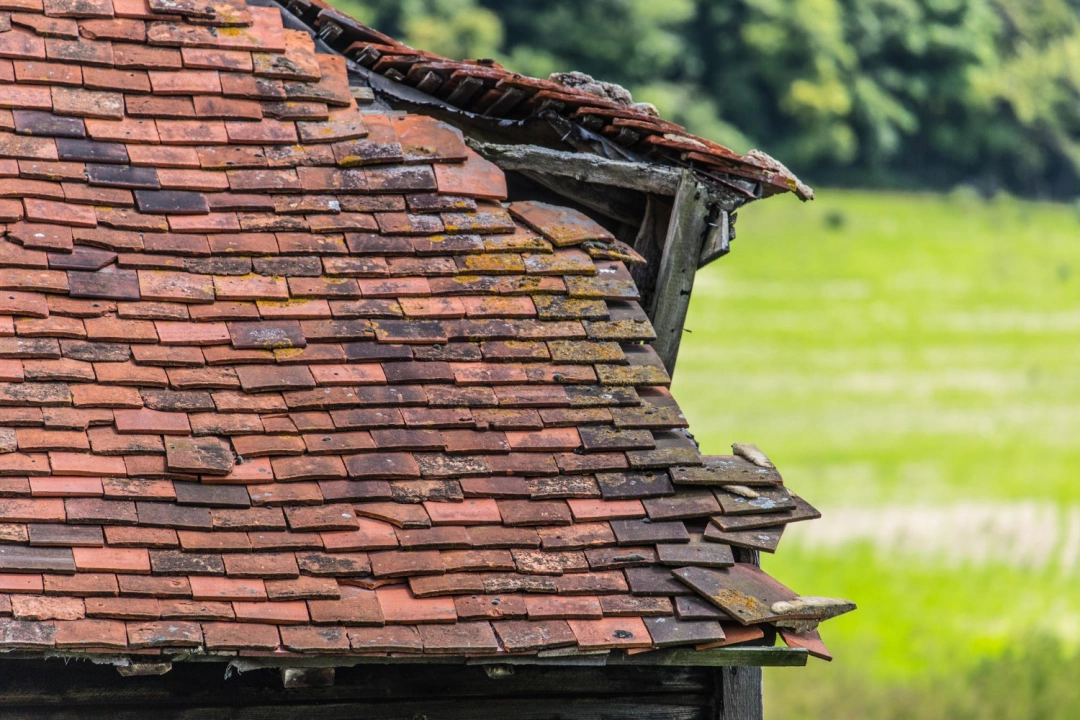
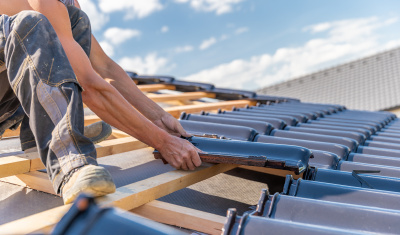
A cracked or missing roof tile may not look like much, but it can allow water to seep into the roof space. If you notice just one or two broken tiles, you can often replace them yourself. Using a ladder and gloves, you can slide out the broken tile and fit in a new one. This should be done carefully to avoid damaging nearby tiles. If done properly, this repair prevents water from entering the roof and causing hidden problems like rot or damp patches inside the house.
Clearing Gutters and Downpipes
Blocked gutters are one of the most common causes of roof problems. When gutters fill with leaves, moss, or debris, rainwater cannot flow away properly. Instead, it spills over and soaks into walls or roof edges. Clearing gutters is a straightforward job. With gloves, a bucket, and a ladder, you can remove debris by hand. Afterwards, it is important to flush the gutters with water to check that water flows freely. Keeping gutters clear reduces the risk of water damage both to your roof and the structure of your home.
Sealing Small Leaks
Sometimes a leak comes from a tiny crack around vents, flashing, or joints. Small leaks can often be patched with roof sealant, which is easy to buy from most DIY stores. Sealing a gap is quick and can stop water from dripping into your loft. However, this is only a short-term solution. Sealants can wear down in harsh weather, so a professional should eventually inspect the roof to provide a permanent fix.
Removing Moss or Algae
Moss and algae thrive on damp roofs, especially in shaded areas. While they might seem harmless, they hold moisture against the roof and can cause tiles to weaken. You can carefully remove moss with a stiff brush or scraper, taking care not to damage the surface. Treatments are available that slow moss growth, though they may need reapplying every few years. Avoid using pressure washers, as these can loosen tiles and wash away protective layers. Regular moss removal helps keep your roof in good condition and extends its lifespan.
Need assistance finding roof repairs near you?
Get a QuoteThe Risks of DIY Roof Repairs
Although small jobs may be safe to attempt, DIY roof repairs carry risks. Working at height is one of the biggest dangers. Even with a sturdy ladder, slips and falls are common. A fall from only a few feet can cause serious injuries, while falling from roof height can be life-threatening. Professional roofers use safety harnesses, scaffolding, and specialist equipment to reduce these dangers. Homeowners attempting repairs often lack these protections.
Another risk is making the damage worse. Walking in the wrong place may crack tiles or damage the underlay beneath. Using the wrong materials or applying sealant poorly can allow leaks to continue unnoticed. A repair that seems fine at first may fail during the next heavy rainfall. Hidden water damage can then spread through insulation, timber, and ceilings, causing costly problems.
DIY roof repairs can also affect insurance cover. Many insurers do not cover damage caused by unqualified work. If a leak or collapse happens after a DIY repair, you might have to pay the full cost of fixing it. Professional roofers are insured, meaning that if a mistake occurs during their work, you are protected financially. This is one of the main reasons to think carefully before attempting repairs yourself.
Roofing Repairs You Should Never DIY
There are some jobs that should always be left to professionals. These repairs are too complex, too dangerous, or too important to risk without the right training.
Major structural work, such as replacing large sections of tiles, shingles, or underlay, requires expertise. These jobs often need scaffolding and specialist tools. Attempting them without training could leave the roof weak or unsafe, creating bigger problems later.
Chimney repairs and flashing replacements also require precision. Flashing is vital for keeping water out where the roof meets chimneys, skylights, or vents. Poorly fitted flashing can quickly lead to leaks. Chimney repairs may involve both roofing and brickwork knowledge, making them unsuitable for untrained homeowners.
Electrical work should never be attempted unless you are fully qualified. This includes jobs involving solar panels, roof lights with wiring, or cabling in the roof space. The risk of electric shock or fire is far too high. Professional roofers sometimes work alongside electricians to handle these safely. For homeowners, the safest choice is always to call an expert.
In short, if a repair involves large areas of the roof, electrical systems, or complex structures, it should never be done as DIY. The risks to both safety and the home are simply too great.
Deciding Between DIY and Professional Roof Repairs
When deciding between repairing the roof yourself or hiring a professional, you need to weigh up several factors. The size of the problem, your own skills, your comfort with safety, and your budget all matter. Taking time to think about these will help you make the right choice for your home.
Cost Considerations
One reason people choose DIY is to save money. Avoiding labour charges can seem like a good idea, but it is important to consider hidden costs. You may need to buy tools, safety equipment, and materials. If something goes wrong, fixing mistakes can end up costing more than hiring a professional in the first place. A roofer charges more upfront, but the work is usually done correctly and lasts longer. This can save you money over time by preventing repeated repairs.
Time and Effort
Roof work can take a long time and is physically demanding. Even simple jobs like replacing tiles or cleaning gutters can take much longer for an inexperienced homeowner than for a trained roofer. A repair that takes you a full weekend may take a professional just a few hours. If your schedule is already busy, or if you find working at height stressful, it may be better to hire a roofer to complete the job quickly and safely.
Safety and Peace of Mind
Safety is the most important factor. If you are not confident with ladders or do not own safety gear, attempting roof repairs is a risk. Professional roofers are trained to work safely in these conditions. Hiring one not only reduces the danger but also gives you peace of mind. You can trust that the repair has been carried out to a high standard and will protect your home for years to come.
Ultimately, the choice between DIY and professional roof repairs is about balance. Small, low-risk tasks may be fine to do yourself. Larger, more dangerous, or complex repairs should always be left to experts. By making sensible decisions, you can protect both your home and your safety, ensuring your roof continues to do its job effectively.
In this article: