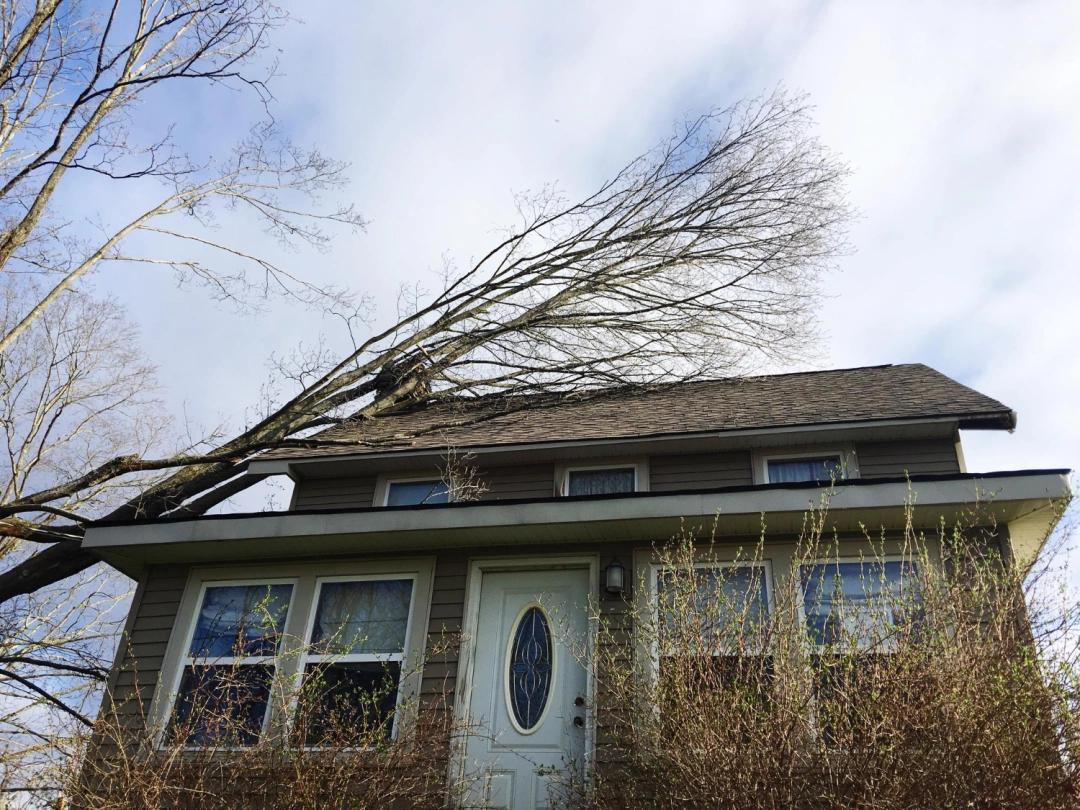
Emergency Roof Repairs: What Should I Do First?
Few things are as unsettling for homeowners as discovering a leak or sudden damage to their roof. Rainwater dripping into your home, tiles scattered across the garden after a storm, or ceilings starting to sag can cause panic. In these moments, it can be hard to know what to do first. Acting quickly and wisely can make the difference between a minor inconvenience and major, costly damage.
Roof problems rarely happen at convenient times. They often strike during bad weather, in the middle of the night, or when you least expect it. This guide will walk you through the important steps to take during a roofing emergency. It will explain why speed matters, what to expect when you call out a professional, and how you can lower the chances of facing another emergency in the future.
First Steps to Take in a Roof Emergency
In an emergency, the way you respond in the first hour is critical. These first steps are about staying safe, protecting your belongings, and preparing for a professional to carry out the proper roof repairs.
Keep Yourself and Others Safe
Safety is more important than anything else. If you notice water entering your home, do not stand underneath the leak. Wet ceilings can collapse without warning, especially if they are holding a large amount of water. If the damage is near electrical fittings, sockets, or appliances, switch off the power in that part of the house. Water and electricity together are extremely dangerous.
If parts of your roof or ceiling look unstable, move your family to another area until the situation is under control. Avoid climbing onto the roof yourself during high winds or heavy rain. Many people injure themselves by attempting quick fixes in unsafe conditions. Leaving this job to professionals keeps you safe.
Limit the Water Damage
Once you know everyone is safe, the next step is to protect your property. Place large bowls, buckets, or pans under the leak to collect as much water as possible. If you have towels, blankets, or waterproof sheets, spread them on the floor to protect carpets or wooden flooring. Move furniture, electronics, and valuables away from the area before they become damaged.
Some homeowners even pierce small holes in bulging plasterboard ceilings to release water safely into a bucket below. This prevents sudden collapse. However, this should only be attempted if you are certain it is safe to do so. If in doubt, wait for a professional roofer to handle it.
Make a Temporary Fix if Safe
A temporary repair can stop a bad situation from getting worse. For instance, if you have a waterproof tarp or heavy-duty plastic sheeting, you can use it to cover the affected part of the roof. This keeps out more rain until the roof can be properly repaired. Another option is using roofing tape or sealant for small cracks or gaps, but these are short-term measures only.
Never attempt this in dangerous conditions. Climbing ladders in storms, at night, or while alone increases the risk of serious injury. Your safety is far more important than trying to cover a few tiles.
Contact a Professional Roof Repair Service
Once the immediate dangers are under control, call a professional roofing company. Describe the problem clearly, explain how severe it is, and provide details of any temporary fixes you have attempted. Most companies offer emergency call-out services and will prioritise cases where water is actively entering the home.
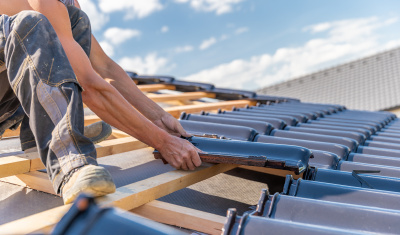
Need assistance finding roof repairs near you?
Get a QuoteWhy Acting Quickly Matters
Many people are tempted to wait until the rain stops or to delay repairs until a more convenient time. Unfortunately, waiting often makes things much worse. Even small leaks can cause long-term issues if they are ignored. Water has a way of seeping into hidden areas, damaging not only the roof but also the walls, insulation, and wooden beams that support the house.
Moisture trapped inside your roof space creates the perfect environment for mould and mildew to grow. These fungi spread quickly and can affect indoor air quality, which in turn impacts your health. Children, older adults, and anyone with breathing conditions are especially at risk when mould develops indoors. Addressing the problem quickly means you protect both your home and your family’s wellbeing.
There is also a financial reason to act quickly. Emergency roof repairs carried out early are usually simpler and less expensive. If you leave the issue to develop, you may face structural problems, large-scale water damage, or even the need for a complete roof replacement. Calling a professional straight away often saves you thousands of pounds in the long run.
What to Expect During an Emergency Call-Out
When you phone a roofing company during an emergency, they will usually ask a series of questions to understand the problem. Be ready to explain whether water is entering the living areas, if there are risks to electrics, and whether you have already taken steps to control the situation. This helps the company prepare the right tools and materials before arriving.
Once the roofers arrive, they will carry out a quick but careful inspection. They will check both outside and inside your property. Outside, they may look for missing tiles, broken flashing, or storm damage. Inside, they will assess how much water has entered and whether the ceiling or loft timbers are affected. Their main goal is to stabilise the roof and prevent more damage.
Often, the first job will be to create a temporary barrier. This may include securing a waterproof cover, fitting emergency sealant, or removing unsafe sections of the roof. These quick fixes buy you time and protect your belongings while planning permanent roof repairs.
After the emergency work is complete, the roofer will explain the next steps. They may recommend replacing damaged tiles, repairing underfelt, or carrying out larger structural repairs if the roof has been badly weakened. You will usually receive a quote or breakdown of costs so you can plan for the permanent fix.
It is worth remembering that an emergency call-out is the beginning of a process. While it solves the immediate crisis, follow-up work is often needed to restore your roof fully. This staged approach ensures your home is secure in both the short and long term.
Preventing Future Roof Emergencies
Although no roof can ever be guaranteed against sudden damage, there are several steps you can take to reduce the chances of a crisis. Prevention not only saves money but also gives you peace of mind.
Arrange Regular Roof Inspections
One of the best ways to prevent emergencies is to have your roof inspected by a professional once or twice a year. These inspections highlight small problems such as cracked tiles, loose flashing, or blocked gutters before they turn into major issues. Regular checks after heavy storms are also useful, as strong winds often cause hidden damage.
Keep Gutters and Drains Clear
Gutters and downpipes play an important role in moving water away from your roof. When they become blocked with leaves, moss, or dirt, water can build up and flow back under the tiles. Cleaning them regularly, especially in autumn when leaves are falling, reduces the risk of water getting into the roof structure.
Respond Quickly to Minor Problems
Small problems should never be ignored. A single missing tile might not seem urgent, but it allows water to enter every time it rains. Over months, this can damage insulation and wooden supports. Calling a roofer for a small roof repair is usually quick and inexpensive, compared to waiting until the damage becomes serious.
Taking a proactive approach extends the life of your roof and ensures your home stays safe and dry. By investing a little time and effort into regular care, you can avoid the stress and cost of sudden emergencies in the future.
In this article: