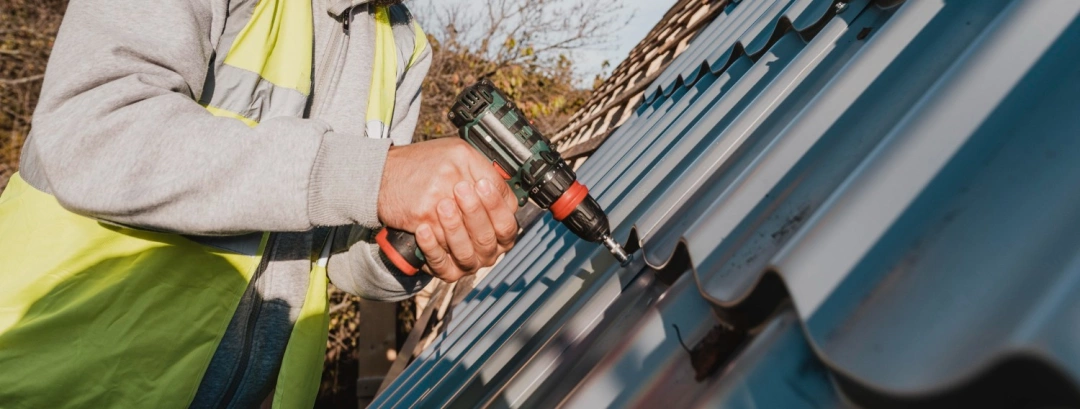
How Much Do Professional Roof Repairs Cost in the UK?
Roof repairs are a fact of home ownership. Small issues such as slipped slates or a cracked tile can appear after a storm, while age and wear can lead to leaks in older roofs. Knowing what repairs usually cost helps you plan, compare quotes, and avoid paying for work you do not need.
Prices vary across the UK. They change with roof type, material, property size, and how easy the roof is to reach. They also reflect local labour rates and the time of year. Roofers are often busiest in winter and after heavy rain, which can lengthen wait times and raise prices.
This guide sets out typical costs for the most common repair jobs. It explains which factors affect the final bill and why choosing a qualified roofer is usually the safest option. It also compares repair costs with the price of a full roof replacement so you can decide what offers best value for your home.
Figures here are guides only. Every roof is different, and a proper survey is the best way to get an accurate price. Still, the ranges below give a solid starting point for budgeting and for checking that quotes are fair.
Common Types of Roof Repairs and Their Typical Costs
Roof repairs cover a wide range of tasks, from simple tile swaps to more complex leaks. The prices below are typical for small to medium jobs. Larger projects and specialist materials will cost more.
Tile or Slate Replacement
Tiles and slates can crack, slip, or break in high winds or frost. Replacing a few items usually costs between £100 and £400, which covers both materials and labour. If the damage spreads across a section, expect £400 to £1,000 for a more involved repair.
Slate work is often pricier than concrete tiles because it needs careful handling and a skilled installer. On older roofs, matching replacements can be tricky, so roofers may use reclaimed slates to keep the look consistent and the surface strong.
Flat Roof Repairs
Flat roofs on garages and extensions can develop leaks or blistering. Felt or rubber repairs usually cost £50 to £90 per square metre. A small patch may be £200 to £300, while larger fixes can run from £400 to £800 depending on area and access.
Rubber and fibreglass systems tend to last longer than felt once repaired. Typical work involves removing failed material, laying a new waterproof layer, and sealing joints so water cannot track under the surface.
Lead Flashing and Ridge Repairs
Lead flashing seals the gap where the roof meets a wall, chimney, or dormer. Repairs often price at £46 to £67 per metre. Ridge tiles protect the peak of a pitched roof, and repairs commonly cost £50 to £70 per metre.
These jobs may be short in duration, yet they are vital. Failed flashing or loose ridges are a common cause of leaks that stain ceilings and damage insulation.
Small to Medium-Sized Jobs
Replacing one to six ridge tiles can cost £75 to £250. Fitting a vent may be £240 to £500, and gutter cleaning is usually £35 to £85. Other quick fixes include sealing small leaks, re-pointing chimney stacks, and renewing sealant around skylights.
Need assistance finding roof repairs near you?
Get a QuoteFactors That Can Affect the Cost of Roof Repairs
Several factors affect the final price of roof repairs. The roof type matters because pitched, flat, slate, and tile roofs all use different fixings and methods. Very steep roofs are harder to work on and may call for extra safety gear, which adds to labour time. The overall size of the roof and the spread of the damage also influence how long the job will take. Roof coverings also behave differently with age. Felt can become brittle, rubber can shrink at edges if poorly installed, and mortar at ridges may crack after years of expansion and contraction.
Access is a major cost driver. Ladders may be enough for minor work, but many jobs need a scaffold for safe, steady access. Even a small scaffold can add £500 to £1,000. Properties on busy roads or with limited parking may need extra measures such as permits or traffic protection. If a temporary tower is required to reach a valley or chimney, the hire period and setup time will be reflected in the quote. On terraced streets, roofers may need to protect neighbouring properties while they work.
Location and timing play a role too. Rates in London and the South East are often higher than elsewhere. After storms, demand spikes and schedules fill quickly. Materials matter as well. Higher grade tiles, slates, and membranes cost more, but they generally last longer and reduce the chance of repeat repairs. Weather delays can add time too because many products need a dry surface to bond properly. A reputable contractor will plan around poor conditions rather than rushing a repair that will not last.
Why Professional Repairs Can Save You Money in the Long Run
A qualified roofer can save money over time by preventing small defects from turning into major leaks. They will check the surrounding area, not just the obvious problem, and can spot weak points such as tired mortar, failed sealant, or loose fixings. That early action reduces the risk of water damage to ceilings, plaster, and timbers. They can also advise on small improvements that prevent future issues, such as adding eaves support trays, renewing tired valley liners, or improving ventilation in the loft.
Professional work should be safe and durable. Reputable roofers carry insurance, follow height safety rules, and can offer a written guarantee for the repair. Many fixes, when done correctly, last 10 to 20 years. While the upfront price may be higher than a do it yourself attempt, the reduced risk of repeat visits and interior damage often makes the professional route better value. Ask what the guarantee covers, who provides it, and how long it lasts. Keep the paperwork with your home records so you can refer to it if there is ever a problem.
Comparing Roof Repair Costs to Replacement Costs
Before you approve a large repair, it helps to compare the figures with the cost of a full replacement. In many cases, repairs are the sensible choice. If the roof is near the end of its life or has damage across many areas, replacement may work out cheaper over time.
Repair Cost vs Full Replacement
Small repairs such as replacing a few tiles can be under £400. Medium jobs that involve an area of damage tend to average around £700. Once repairs involve structure or large sections, the bill can pass £2,000. If quotes approach £3,000, it is reasonable to ask whether a planned replacement would give better long term value.
Think about the pattern of issues you have seen. If problems appear in the same place after heavy rain, a targeted repair is sensible. If leaks show up in several areas or tiles keep slipping, the roof may be nearing the end of its service life.
Typical Full Roof Replacement Costs
A new roof for a standard three bedroom house usually costs between £5,000 and £12,000. Flat roof replacements are often £1,500 to £5,000, depending on size and material. Slate is the premium option and can range from £7,000 to £15,000. A new roof should last decades and can improve insulation and kerb appeal.
Costs rise with complex shapes, multiple valleys, dormers, or a large number of roof windows. Access also matters. Simple access on a bungalow is cheaper to scaffold than a tall townhouse. Choosing better underlay and ventilation adds to the price but improves performance.
When Replacement May Make Sense
Consider replacement if the roof is over 20 years old and shows widespread wear, or if leaks are recurring in different places. Frequent callouts soon add up. A planned replacement lets you upgrade underlay and ventilation at the same time, which can lower energy bills and reduce condensation.
A planned project also lets you schedule work at a convenient time of year, avoid emergency callout fees, and choose materials that suit the property and local climate. For many owners, that control is worth the higher upfront spend.
In this article: