Common Roof Problems in the UK and How Professionals Fix Them
Roofs are one of the most important parts of a home, acting as the first barrier against the elements. In the UK, where weather patterns can change quickly and vary from one region to another, roofs face constant challenges. From heavy winter rain to harsh summer heat, every season places different demands on the structure and materials of a roof.
Over time, even the strongest and best-maintained roofs can develop problems that require attention. These issues may start small, such as a loose tile or a small leak, but if ignored, they can quickly lead to much larger and more costly repairs. Roof repairs are therefore an essential part of keeping a property safe, secure and in good condition.
This article looks at the most common roof problems faced by UK homeowners, why they occur, what to expect when hiring a professional roofer, and the methods used by experts to repair them. By understanding these points, homeowners can take proactive steps to maintain their roofs and avoid unnecessary damage in the future.
Common Roof Issues Found Across the UK
The UK’s combination of traditional and modern building styles, combined with unpredictable weather, means certain roofing problems appear more often than others. Although every roof is different, some issues are regularly reported by homeowners in all parts of the country.
Leaking Roofs
Leaks are one of the most common reasons homeowners call for roof repairs. They can be caused by damaged tiles, worn-out flashing, or gaps around chimneys and vents. Even a minor leak can cause a chain reaction of problems inside a property, such as damp patches on ceilings, peeling paint and, over time, mould growth. These issues not only affect the appearance of a home but can also create health risks and weaken the structure of the building.
In many cases, leaks may not be immediately visible, especially if they occur in less-used areas like loft spaces. Homeowners often only discover them when the problem has worsened, making prompt professional attention essential.
Broken or Missing Tiles
Strong winds, storms and the gradual effects of ageing can cause roof tiles to crack, loosen or become completely detached. A missing tile leaves the underlayers of the roof exposed to rain, snow and frost, which can quickly damage the internal structure. This problem is especially common in older properties where the tiles may be brittle and more vulnerable to breakage.
Replacing broken or missing tiles promptly can prevent water from getting in and causing further damage. Regular inspections, especially after severe weather, can help spot this problem early.
Damaged Flashing
Flashing is usually made of metal or another waterproof material and is fitted around joints, valleys and features such as chimneys. It plays a crucial role in keeping water out of vulnerable points on the roof. Over time, flashing can corrode, crack or become loose, allowing water to penetrate.
Damaged flashing is one of the leading causes of leaks, especially around chimneys and skylights. It is a relatively small part of the roof, but its failure can cause significant internal water damage if not addressed promptly.
Blocked Gutters and Downpipes
Gutters and downpipes direct rainwater away from the roof and the walls of a property. If they become blocked with leaves, moss or dirt, water can overflow, running back towards the building instead of being drained away. This can cause damp patches on walls, damage to brickwork, and water pooling on the roof.
Regular gutter cleaning is a simple way to avoid these problems. In areas with many trees or where moss growth is heavy, more frequent maintenance may be necessary to keep water flowing properly.
Need assistance finding roof repairs near you?
Get a QuoteWhy UK Roofs Are Prone to These Issues
The UK’s varied climate is one of the main reasons roofs here develop problems. Rain is common throughout the year, meaning roofs must cope with constant exposure to moisture. Combined with occasional heavy winds, freezing temperatures and the occasional heatwave, the expansion and contraction of roofing materials can lead to cracks and weakened joints.
Many UK properties also have roofs that are decades old. While traditional materials such as slate and clay tiles can last for many years, they will eventually start to show signs of wear. Older buildings may also lack some of the water-resistant layers and features found in modern roofs, leaving them more exposed to the elements.
In addition, moss growth is a common sight in the UK’s damp climate. This growth may look harmless, but moss can trap water against the surface of a roof, leading to gradual deterioration of the tiles or slates. The freeze-thaw cycle in winter can then cause this trapped water to expand, lifting tiles and creating small gaps where water can seep in.
In coastal areas, salty sea air can speed up the corrosion of metal components such as nails, screws and flashing. This can shorten the lifespan of certain roof parts and increase the need for regular maintenance.
What to Expect When Hiring a Professional Roofer
When hiring a roofer, the process usually begins with an inspection. The professional will examine the roof, looking for obvious signs of damage as well as less visible issues that could lead to problems later. This inspection may involve climbing onto the roof, using ladders or scaffolding, or even employing drone technology to capture detailed images from above.
After the inspection, the roofer will discuss their findings with the homeowner. They will outline what repairs are necessary, explain the steps involved, and provide a clear and detailed estimate for both the cost and the time required to complete the work. This is also an opportunity for the homeowner to ask questions and understand the options available.
Professional roofers bring specialist tools and equipment that allow them to carry out repairs safely and efficiently. They follow health and safety regulations, using harnesses, helmets and protective gear. Many will take before-and-after photos to show the exact work carried out.
Once repairs are completed, a good roofer will offer advice on preventative maintenance. This might include suggestions for regular inspections, timely replacement of damaged tiles, or fitting protective features such as gutter guards. In some cases, they may recommend upgrading certain materials to improve durability and reduce the need for future roof repairs.
Professional Repair Methods Used for Common Roof Problems
Roofing professionals use a variety of repair methods depending on the problem, the type of roof and the materials involved. Their aim is not only to repair the visible damage but also to fix the underlying cause, extend the lifespan of the roof and protect the home from future issues.
Tile Replacement
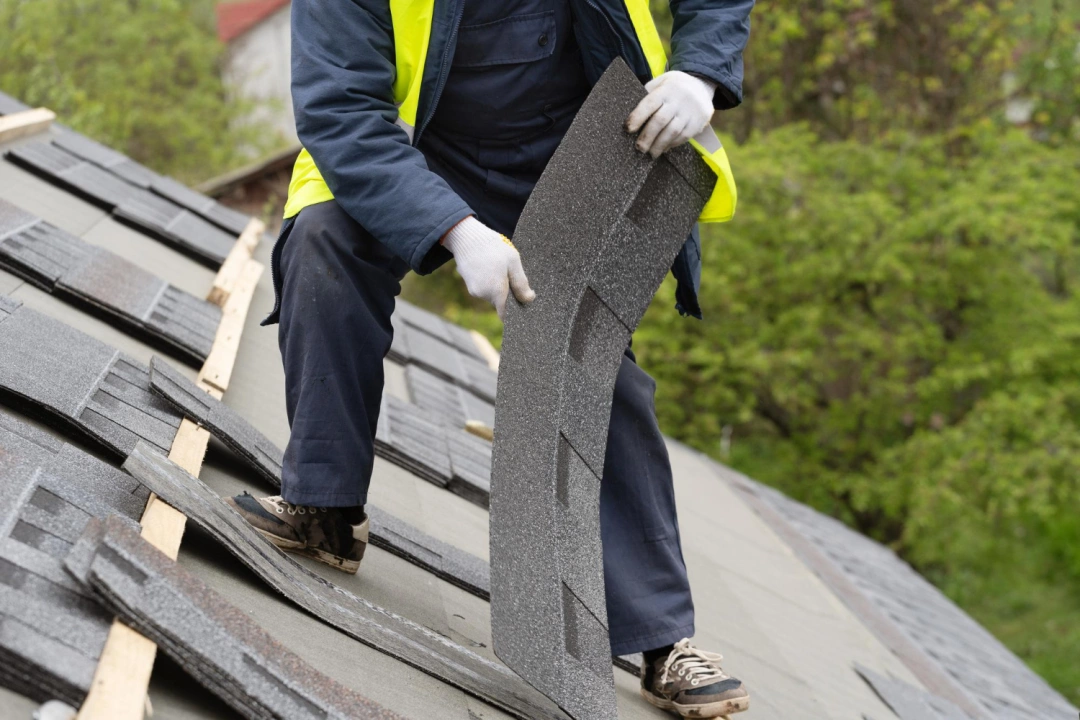
For broken or missing tiles, roofers carefully remove the damaged pieces and inspect the underlying structure for signs of water damage or rot. If the base is sound, they fit new tiles that match the original in size, style and material, ensuring a consistent appearance. They then secure the tiles properly to withstand future weather conditions.
Flashing Repair or Replacement
If flashing has corroded, cracked or come loose, roofers may repair it using sealants designed to withstand extreme weather. In cases where the damage is more extensive, they will replace the flashing entirely. This involves cutting and shaping the new material to fit perfectly, then sealing it in place to prevent any gaps where water could enter.
Gutter Cleaning and Maintenance
Blocked gutters are cleared of debris and flushed with water to ensure they are draining properly. Roofers may also check the alignment of the gutters and downpipes, adjusting them if needed so that water flows away from the property. Some professionals recommend installing gutter guards to reduce the likelihood of future blockages.
By understanding these common issues and the ways professionals address them, homeowners can make better decisions when it comes to roof care. Regular maintenance and prompt roof repairs not only protect a property from weather damage but also help maintain its appearance and value over the years.
In this article: