How Long Do Professional Roof Repairs Usually Take?
When it comes to maintaining your home, few tasks are as important as roof repairs. A damaged roof can quickly lead to bigger and more costly issues inside the house. Water can enter through cracks or holes, damaging ceilings, walls, and even electrical systems. Small roof problems may look harmless at first, but if ignored, they can turn into major repairs that are time-consuming and expensive. A leaking roof is not only a risk to your property but also to your comfort and safety.
One of the most common questions homeowners ask is how much time roof repairs will take. The answer is not always straightforward. Repair times depend on the type of damage, the materials being used, and the design of the roof. Some jobs may take a few hours, while others may take several days or weeks. Knowing what to expect helps homeowners plan ahead, budget properly, and avoid stress while work is carried out.
This article explains what determines the duration of roof repairs, sets out typical timeframes for common repair types, describes the process step by step, and gives advice on how homeowners can help the work go smoothly. By the end, you will have a clear idea of what to expect if your property ever needs professional roof repairs.
What Determines the Duration of Roof Repairs?
Roof repair times vary greatly depending on several key factors. Some projects are straightforward and quick, while others require more time and care. The following points are the main reasons why some repairs are done within hours and others stretch over weeks.
Extent of the Damage
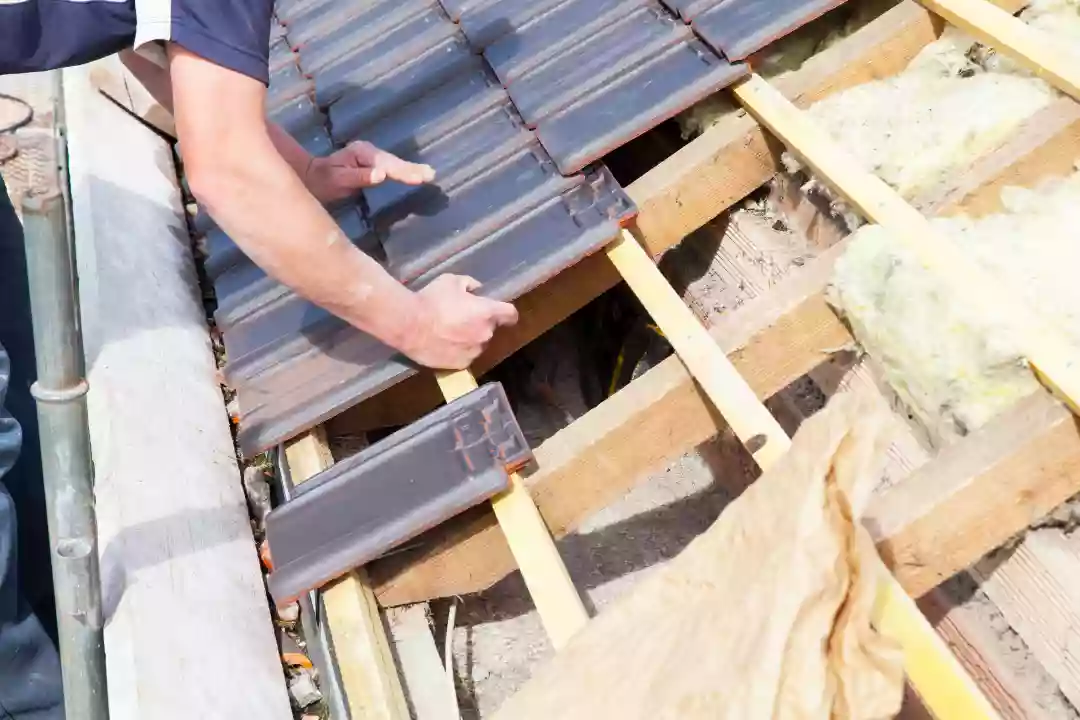
The amount of damage is often the biggest factor. If only a few tiles or shingles are missing, the repair can be quick. In such cases, roofers may simply replace the broken pieces and reseal the area. However, when the damage spreads to the underlayment, beams, or insulation, the repair takes longer. Entire sections of the roof may need to be removed and rebuilt. Repairs to structural beams, for example, can take days because they require careful dismantling and rebuilding to ensure safety.
Hidden problems often extend repair times. Roofs that look fine on the surface may hide mould, rotting timber, or water damage that has seeped into the structure. These problems can only be spotted once work begins. If discovered, the project may take longer than the initial estimate, as extra repairs must be added to the plan.
Type of Roof Material
The roofing material also plays a role in repair times. Asphalt shingles are popular and relatively quick to repair. Replacing a small number can often be done in a few hours. Slate or clay tiles, however, are much heavier and more fragile. Roofers must handle them carefully and fit them individually, which can take days. Wooden shingles require precise installation to keep them watertight. Metal roofs, while strong, also require specialist cutting and sealing tools, which adds time. Each material has its own demands that affect how long repairs last.
Weather Conditions
Weather has a strong impact on roof repair schedules. Roof work is often unsafe in heavy rain, snow, or strong winds. Even light rain can make surfaces slippery, forcing roofers to pause until it is safe. After storms, the roof must often dry before repairs continue. Hot weather can slow work down too, as roofers take more breaks to avoid overheating. This means the time of year you schedule repairs can affect how long they take. Many roofing companies recommend spring or autumn for repairs, as these seasons usually bring milder, more reliable conditions.
Accessibility and Size of the Roof
The size and design of the roof affect how long repairs last. Small, single-storey homes are easier and faster to repair. Large properties with steep slopes, dormer windows, or chimneys take longer. Access also matters. Homes surrounded by trees, fences, or narrow paths may require scaffolding or extra planning before work can begin. Bigger roofs naturally mean more surface area to cover, which adds to the timeframe.
Need assistance finding roof repairs near you?
Get a QuoteTypical Timeframes for Different Types of Roof Repairs
Different repairs come with different expected durations. Knowing how long common repairs usually take will give you a better idea of what to expect for your own home.
Minor repairs such as replacing a handful of shingles, sealing a small leak, or patching flashing around a vent can usually be completed in less than a day. In some cases, roofers may finish within two to four hours if the repair is simple and access is easy.
Medium-scale repairs often take one to two days. These include replacing damaged underlayment, repairing flashing around skylights or chimneys, or working on a section of tiles. Medium repairs often involve removing materials, inspecting for hidden problems, and then carefully reinstalling new materials so the roof remains secure and watertight.
Larger repairs may take several days to a week. These are needed when roof sections must be replaced, when beams or trusses are damaged, or when a storm has caused widespread harm. Large repairs are slower because they require stripping back the roof, making structural fixes, and rebuilding carefully. Sometimes inspections by local authorities are required before work can continue, adding to the timeframe.
Full roof replacements take the longest. Depending on size, design, and material, a full replacement can last one to two weeks. Asphalt shingles may be installed in about a week, but slate or clay tiles may take twice as long because they are heavier and need more time to install properly. Roofs with skylights, chimneys, or complex slopes also take more time than simple designs.
What to Expect During the Roof Repair Process
Roof repairs usually follow a step-by-step process. While every project is unique, most jobs share the same main stages. Knowing what happens during each stage will make the experience less stressful and easier to follow.
The first stage is inspection. Roofers check the roof carefully to identify problems and decide the best repair method. They may climb up with ladders, use drones for aerial checks, or even use cameras to detect leaks. Once the inspection is complete, they explain what is required and give an estimate of both cost and time.
Next is preparation. This stage may involve setting up scaffolding, protecting gardens and driveways with sheets, and delivering materials. Once prepared, roofers remove damaged materials such as shingles, tiles, or underlayment. This stage can be messy and noisy, as old materials are stripped away and collected for disposal.
The repair stage is when the main work happens. Roofers may replace underlayment, secure new tiles, install flashing, or repair beams. For larger jobs, this stage may take several days, with work carried out steadily to make sure the roof is safe. Roofers also use safety gear such as harnesses and helmets, since roof work always carries risk.
Finally comes inspection and clean-up. Roofers check their work carefully to ensure the roof is watertight. They clear away debris, tidy up the site, and often provide advice for maintaining the roof. Many companies also provide guarantees for their work, giving homeowners peace of mind that repairs will last.
How Homeowners Can Make Roof Repairs Go More Smoothly
Although professionals carry out the repairs, homeowners play an important role in helping the process go smoothly. Being prepared and cooperative saves time and reduces stress for everyone involved.
Choose the Right Roofing Contractor
Hiring a reliable roofer is the most important step. A good contractor provides clear timeframes, keeps you updated, and ensures repairs are completed to a high standard. Checking online reviews, asking for recommendations from neighbours, and confirming insurance and licences are all sensible ways to find the right person for the job. Choosing wisely reduces the risk of delays or poor workmanship.
Prepare the Property in Advance
Homeowners can help by preparing the area before work begins. Moving cars from the driveway, clearing furniture, and trimming trees near the roof saves time for the roofing team. Keeping pets and children away from the work area also makes the site safer. These simple steps make it easier for roofers to focus on their job without interruptions.
Stay Informed and Flexible
Repairs do not always go exactly to plan. Sometimes roofers discover hidden problems, or weather conditions delay progress. Staying flexible and keeping in touch with the team helps reduce stress. Accepting that schedules may change slightly ensures the work is done thoroughly and protects your home properly for years to come.
In this article: