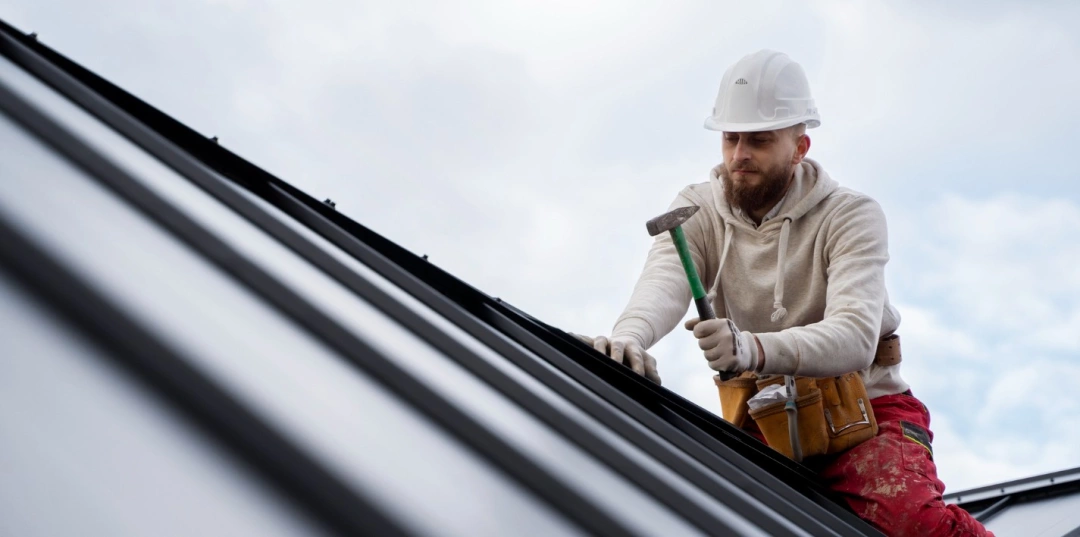
Urgent Signs You Need to Call a Roofer Immediately
When it comes to keeping your home safe, few things are as important as a secure and well-maintained roof. Your roof acts as the first line of defence against rain, wind, snow, hail, and extreme temperatures. It shields you, your family, and your belongings from harsh weather and other outside elements. Without a strong roof, even a well-built house can quickly become vulnerable to structural issues and water damage.
Unfortunately, many homeowners overlook the early warning signs that roof repairs are needed. It is common to assume that a small leak or a loose tile is not an urgent matter, but these issues can escalate quickly. A small gap in the roofing can let in enough water to damage insulation, stain ceilings, and weaken timber supports. The longer you wait to take action, the higher the risk of serious and costly damage.
Knowing when to act can make the difference between a quick fix and major roof work. The sooner you spot issues, the quicker a professional roofer can deal with them. By responding quickly to the first signs of trouble, you can avoid emergency situations, protect your property value, and save money in the long run.
The Most Common Emergency Roofing Issues
While some roofing problems can be scheduled for routine maintenance, others require immediate attention. Recognising these emergencies will help you act fast and reduce the risk of further damage to your home. If you notice any of the following issues, calling a roofer without delay is essential.
Severe Leaks
Heavy rain, melting snow, or storm damage can allow water to enter your home. A leak that drips through the ceiling or runs down walls is a clear sign that roof repairs are needed urgently. Even a slow leak can damage insulation, ceilings, walls, and electrical wiring over time. If left untreated, it can also encourage mould growth, which is difficult and expensive to remove.
Leaks often start in the smallest openings, such as around flashing, chimneys, or roof vents. These areas should be checked regularly, especially after extreme weather. In some cases, the signs of a leak may not appear directly under the damaged section of the roof, as water can travel along beams before becoming visible inside your home.
Storm or Wind Damage
Strong winds have the power to lift or completely remove roof tiles, shingles, or sheets. This leaves areas of your roof exposed to rain and debris. The damage may be visible from the ground as missing or broken pieces, but sometimes it is not obvious until water begins to enter. After severe weather, it is always a good idea to inspect your roof or arrange for a roofer to do so.
Even a single missing tile can allow water to enter the roof space, leading to dampness and rot in the supporting structure. Replacing damaged or missing pieces as soon as possible prevents the problem from spreading and avoids more costly repairs later.
Fallen Tree or Debris Impact
Large branches, heavy debris, or even entire trees can fall onto a roof during storms, high winds, or due to old age and decay. The impact can cause immediate structural damage, ranging from cracked tiles to deep dents or holes. This kind of damage exposes your home to weather and can compromise the roof’s strength.
If you notice visible holes, broken tiles, or a section of roof that appears sunken or dented, it is important to contact a roofer immediately. Waiting too long could result in the damaged area collapsing or allowing large amounts of water to enter during the next rainfall.
Sudden Sagging
A sagging roof is a sign of a serious problem with the structure. This could be caused by long-term water damage, poor installation, excessive weight from snow or debris, or ageing materials that have weakened over time. A sagging section of roof should never be ignored, as it may collapse without warning.
Professional roofers can assess the cause and determine whether repairs or a full replacement are needed. Acting quickly not only ensures safety but also prevents damage to other parts of the building.
Need assistance finding roof repairs near you?
Get a QuoteThe Risks of Delaying Roof Repairs
Delaying roof repairs may seem like a way to save money in the short term, but it can actually result in far greater costs later. Roof problems rarely fix themselves, and in most cases, they will only get worse over time.
One of the main risks is water damage. Even a small amount of water entering your home can cause mould to grow. Mould not only affects air quality but can also lead to health problems such as breathing difficulties, allergies, and skin irritation. Removing mould often requires specialist cleaning and replacement of affected materials, which is costly and disruptive.
Another risk is structural weakening. Water can seep into wooden beams and roof supports, causing them to rot. Once the structure is compromised, repairs become more complicated and expensive. In severe cases, entire sections of the roof may need rebuilding.
Ignoring roof repairs can also lower your property’s value. Potential buyers are often cautious about homes with roofing problems, as they know repairs can be expensive. In some cases, mortgage lenders may even refuse to approve loans for houses with significant roof damage.
Finally, delaying repairs during winter or storm season can make the situation worse. Bad weather can increase the size of cracks, loosen more tiles, and force water deeper into the roof space. What might have been a minor job in summer can turn into an emergency in colder or wetter months.
What to Expect When a Roofer Arrives
When a roofer arrives to inspect your property, they will usually start with an external assessment. This may involve checking the roof from the ground, climbing up for a closer look, and examining gutters, flashing, and tiles. Some roofers also use drones or cameras to inspect hard-to-reach areas safely.
Inside the home, they may check the loft or attic space for signs of leaks, dampness, or structural damage. They will also look for discoloured patches, mould, or light coming through gaps in the roof. This step helps them pinpoint the exact location and cause of the damage.
Once the inspection is complete, the roofer will explain their findings. They will outline whether the problem can be fixed with minor repairs or whether larger work is needed. This is your chance to ask questions, clarify costs, and understand the timeline for the job.
Professional roofers also take safety seriously. They will secure the area, use the correct protective gear, and put measures in place to prevent water from entering while repairs are underway. If the job cannot be completed immediately, they may use temporary coverings to protect your home until full repairs are done.
Steps to Take Immediately After Spotting Roof Damage
Discovering roof damage can be stressful, but acting quickly can help reduce the impact. By taking a few important steps before the roofer arrives, you can protect your home and speed up the repair process.
Protect the Inside of Your Home
Move furniture, electronics, and other valuables away from the damaged area. Use buckets or containers to catch water from leaks and reduce the risk of stains or warping on floors. If you have large plastic sheets, use them to cover furniture or carpets until repairs are complete.
Document the Damage
Take clear photographs of the damage from different angles, both outside and inside. This will help your roofer understand the situation quickly and can be useful for insurance claims. If it is safe to do so, take photos of the roof itself from the ground using a camera with a zoom function.
Contact a Professional Roofer
Get in touch with a qualified roofer as soon as possible. Provide them with the photos, details of the damage, and any relevant information about recent weather events. Avoid attempting dangerous repairs yourself, as climbing onto a damaged roof can be extremely risky. Instead, wait for trained professionals who have the right tools and safety equipment.
In this article: