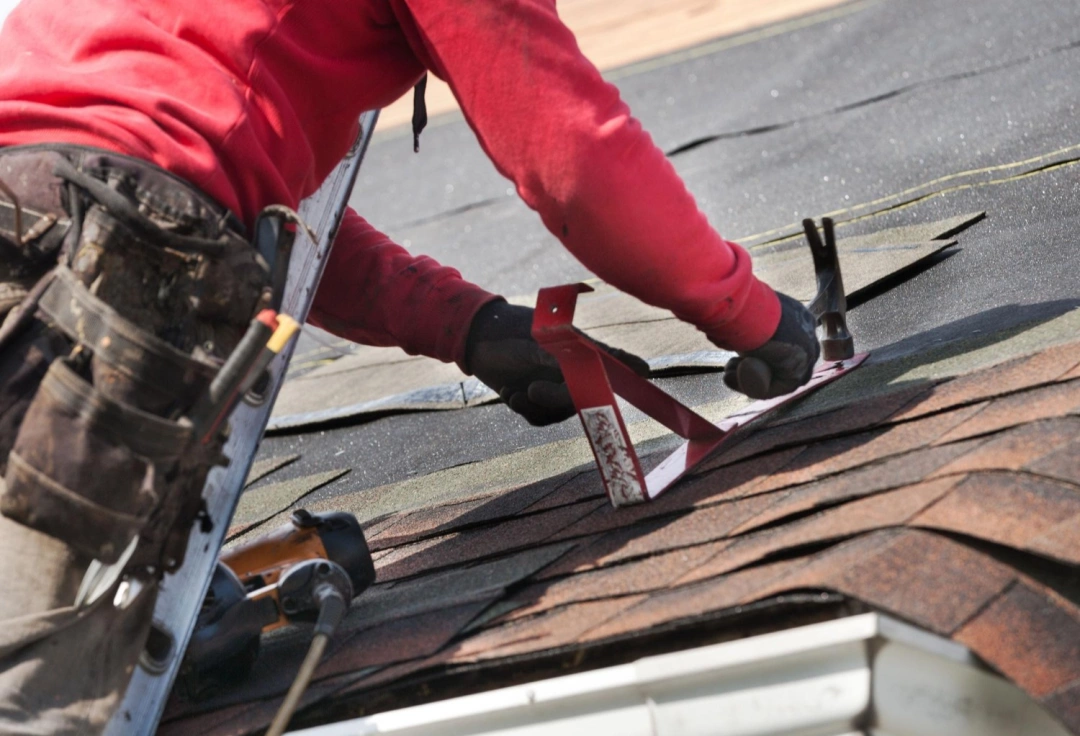
Roof Repair or Full Replacement: What’s Best for Your Home?
Your roof is one of the most vital parts of your home. It shields you and your family from the elements, helps control indoor temperatures, and contributes to the appearance of your property. Over time, every roof begins to show signs of wear such as slipped tiles, cracked flashing, or water leaks. At this stage, homeowners often face the question of whether to carry out roof repairs or go for a full roof replacement.
This decision can feel daunting because both options involve costs, planning, and disruption. Choosing incorrectly could mean wasted money or ongoing damage that harms your home. For that reason, it is crucial to understand the benefits and drawbacks of each approach. Knowing the warning signs, weighing up costs, and taking professional advice will help you choose the option that best suits your home’s condition and your plans.
In this article, we will look at the situations where repairs or replacements are required, the key factors that affect your decision, how roofers assess your property, and the costs and benefits linked with each choice. By the end, you should have a clearer idea of how to make the best decision for your roof and your household.
Common Situations That Call for Repairs or Replacement
Not every issue with your roof demands a complete replacement. In many cases, targeted roof repairs can solve the problem effectively. However, there are times when repairing small areas will not be enough, and a new roof is the only lasting solution. Below are some of the most common scenarios that push homeowners to make this choice.
Leaks and Water Damage
Water damage is one of the most obvious signs of a problem. It often shows up as damp patches on ceilings or visible drips during rainstorms. Minor leaks usually come from a few damaged tiles or cracks in flashing. These can often be fixed quickly and at a reasonable cost, especially if addressed before the water spreads.
However, water is persistent. Once it finds its way in, it can weaken insulation and timbers. If you notice widespread staining in several rooms or mould in the loft, these are signs that the issue may be severe. In such cases, roof repairs might not solve the root cause, and a full replacement could be the safer long-term option.
Storm or Weather Damage
Severe weather can cause immediate and obvious harm. High winds may rip off tiles or dislodge gutters. Hailstones can crack slates or dent metal sheets. Heavy rainfall can overwhelm drainage systems. If the damage is limited to a small area, repairs can restore the roof.
But when large sections are missing or the roof has shifted because of the storm’s force, repairs alone may not bring back its strength. In these cases, a full replacement may be the safer choice, ensuring the structure is sound for future weather events.
Aging Roof Materials
Every roof material has a typical lifespan. Clay and concrete tiles may last half a century, while slate can sometimes last longer. Felt, metal sheeting, or shingles may last far less. Once a roof nears its expected lifespan, small issues become frequent, and repairs may feel like patching one problem only to face another the following year.
Homeowners with older roofs should think carefully about whether repeated repairs are worthwhile. A full replacement might feel like a large investment, but it ensures peace of mind and reduces the risk of hidden issues.
Structural Weakness
Sometimes, the problem lies with the structure beneath. Signs of sagging roofs or rotting wood show that the supporting framework is compromised. In these cases, no amount of patching on the surface will make the roof safe. A full replacement is usually the only solution, as it allows the underlying structure to be rebuilt and strengthened properly.
Need assistance finding roof repairs near you?
Get a QuoteKey Factors That Influence the Decision
When faced with roof problems, homeowners naturally ask whether roof repairs will be enough or whether they need to commit to a replacement. The decision is rarely simple, and it usually depends on a mix of practical and financial factors.
Cost is the most obvious factor. Repairs are less expensive in the short term, but this choice may only delay the larger expense if the roof is nearing the end of its life. Spending on repeated repairs can add up and even exceed the price of a new roof over time.
The age of your roof also plays a role. A 10-year-old roof with a minor leak is usually worth repairing. A 40-year-old roof with repeated leaks, however, might be nearing the end of its usefulness. In that case, replacing the roof could save thousands of pounds in the long run.
You should also think about how long you plan to stay in the property. If you are moving soon, minor repairs might be enough to keep the roof presentable for buyers. If this is your forever home, though, investing in a replacement gives you security for decades and often improves the property’s energy efficiency.
Another factor is safety. A weakened or unstable roof can put your family at risk. If inspections reveal serious problems, replacement is usually the only responsible option.
How Professional Roofers Assess Your Roof
Professional roofers have the experience and equipment to judge the state of your roof better than most homeowners can. Their inspections usually start with a visual check from the outside. They look for cracked or missing tiles, loose flashing, damaged gutters, or signs of sagging.
They may use ladders, scaffolding, or drones to examine hard-to-reach spots safely. By using cameras, they can detect small cracks and weak points. Inside the loft, roofers check for damp insulation, water stains, mould growth, or beams that have started to rot.
Once the inspection is complete, they provide a clear report of the problems and risks. A trustworthy roofer will also give options, explaining when roof repairs will work and when a full replacement would be safer. They will usually talk about how long repairs are likely to last, so you can judge whether the money is better spent on a new roof instead.
It is important to choose roofers with good reviews or local recommendations. Professional assessments are the best way to avoid wasting money and to make sure your home stays secure for the future.
Comparing the Costs and Benefits of Roof Repair vs Replacement
The final step in the decision-making process is comparing the costs and benefits of roof repairs versus full replacement. While cost is often the deciding factor, you should also think about long-term benefits such as property value, peace of mind, and safety. The right choice may not always be the cheapest one, but it will be the one that protects your home for years.
Upfront and Long-Term Costs
Repairs are less expensive upfront, making them attractive when money is tight. They can quickly fix problems like broken tiles or minor leaks. However, if your roof is older, these problems may keep appearing, meaning you will face further repair bills. Replacement is more costly at the start but removes the need for regular fixes, often saving money over the years.
Impact on Property Value
Homes with well-maintained or newly replaced roofs are more attractive to buyers. Roof repairs keep your property looking good, but a full replacement can add value. Many buyers are willing to pay more for a home with a roof that will last decades. For sellers, this investment can mean a quicker sale and a higher price.
Peace of Mind and Safety
Living under a roof you know is reliable gives confidence that your family is safe, no matter the weather. Repairs help restore that safety in the short term, but a new roof provides assurance that problems will not return soon. This peace of mind is valuable for any homeowner, especially those planning to stay long term.
In this article: