
The Different Types of Roof Repair Services Explained
Roof repairs keep your home dry, warm, and safe. A healthy roof protects the structure, the electrics, and what you own. Weather and age slowly wear materials. A single loose tile or a small tear in a flat roof can let water in and cause damage. Learning about the different roof repair services helps you spot issues early and choose the right fix. It also helps you plan simple maintenance that keeps costs down over time.
This guide explains common roof repairs in clear steps. We begin with leak detection, then look at tile and shingle replacement. We cover flat roof repairs, which have their own methods. Finally, we explain emergency roof repairs after storm damage. Each section focuses on practical actions that protect your home.
Leak Detection and Roof Leak Repairs
Leaks are the most frequent reason for roof repair. A leak may show as a stain on the ceiling, a damp patch on a wall, a musty smell in the loft, or light mould. Water can travel along rafters and membranes before it appears indoors, so the visible mark is not always the entry point. Careful leak detection is vital.
How roofers find the real entry point
Professional roofers start with a visual inspection from safe positions. They look for lifted tiles, cracked slates, torn felt, damaged ridges, and broken flashings. They check valleys, skylights, and chimney stacks because joints are common weak spots. Inside the loft, they look for water trails, dark marks on timber, wet insulation, or daylight where it should not be. On flat roofs, they test for blisters, tears, open seams, and ponding where water sits after rain.
Typical leak causes and quick fixes
Many leaks come from small faults that are simple to repair. Cracked or missing mortar around a chimney can let water in behind the flashing. Re-bedding or re-pointing and fitting new step flashings can stop the leak. A slipped tile can create a gap that lets wind-driven rain under the courses below. Replacing the tile and checking the batten and felt is often enough. On flat roofs, an open seam in a felt or single-ply membrane can be sealed with a compatible patch after the area is cleaned and dried. Damaged skylight seals can be renewed so the unit sits tight and watertight.
When a local patch is not enough
Sometimes a leak points to wider wear. If the felt under tiles has perished across a large area, or if a flat roof has many blisters and tears, a patch will not last. In these cases, roof repairs involve a partial strip and re-lay with new underlay, battens, and coverings. The goal is to fix the cause, not just the symptom. A trusted roofer will explain the options, show photos, and set out costs so you understand the reason for the work.
Preventing the next leak
Prevention saves money. Keep gutters clear so water does not back up under the eaves. Trim back branches that rub tiles or drop debris. After storms, look for slipped tiles or lifted edges that you can see from the ground. Book a roof inspection every couple of years, or sooner if you notice marks indoors. Small checks lead to small repairs, and small repairs keep big bills away.
Need assistance finding roof repairs near you?
Get a QuoteTile and Shingle Replacement
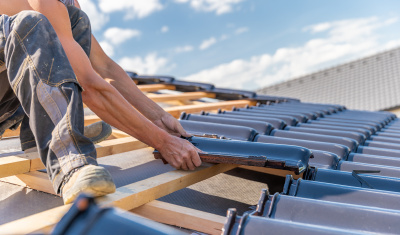
Tiles and shingles form the skin of your roof. They take the hit from the weather and shield the layers below. When they crack, slip, or go missing, water can reach the underlay and the timber. Roof repairs that replace broken coverings are common and effective. They stop water at the first barrier and restore the neat look of your home.
There are many types of coverings. Clay tiles keep their colour, concrete tiles are strong and cost-effective, natural slate is long-lasting, and asphalt shingles are light and flexible. Each type has its own fixings and methods. When a tile or shingle fails, a roofer chooses a matching piece, lifts the courses above, and swaps the damaged part. They check the batten below for rot and the underlay for tears. If these are sound, the job is quick. If the batten is soft or the underlay has split, the repair grows to include those layers, so the result is secure.
Sometimes damage is spread across a larger area. High winds can lift many tiles along a ridge or verge. Repeated freeze and thaw cycles can crack a set of slates on an exposed face. In these cases, wider replacement gives a better result. The roofer may strip a whole slope, fit new breathable underlay and treated battens, and re-lay with tiles or slates that match the house. This kind of roof repair costs more, but it resets the lifespan of the slope and helps keep the loft dry for years.
Flat Roof Repairs
Flat roofs are used on extensions, garages, porches, dormers, and many modern homes. They are not truly flat. A small fall guides rain to a drain or gutter. When that fall is too shallow, water can sit in shallow pools. Standing water shortens the life of many materials and often finds a way through small openings. Roof repairs on flat roofs target the places where water gathers or where the surface has aged.
Felt roofs can be repaired by cleaning the area, drying it fully, and applying a heat-welded patch that overlaps the damage. Single-ply membranes like EPDM and PVC can be fixed with system-approved tapes and primers that bond new pieces to the old. Liquid coatings can seal fine cracks and extend life when the base is sound. If the deck has sagged or the insulation is wet, a deeper repair is needed. The roofer may renew the deck, add tapered insulation to give better falls, and install a new membrane with neat upstands around walls, lanterns, and pipes. They also review outlets and overflows so heavy rain can escape safely.
Because access is easier, flat roofs invite DIY. Still, safety and warranty rules are strict. Many systems only keep their guarantee if trained installers fit them. Working at height is risky, and using heat tools can be dangerous. For those reasons, it is wise to use qualified roofers who follow the system guidance.
Emergency Roof Repairs After Storm Damage
Storms can affect any roof without warning. Strong gusts can lift ridge tiles, snap fixings, and push rain under the covering. Hail can bruise shingles. Flying debris can crack slates or tear membranes. When this happens, you need fast, safe help. Emergency roof repairs reduce further water damage and make the site secure until a full repair can be planned.
Make the area safe and limit water entry
Safety comes first. Keep people away from damaged areas and turn off power if water is near electricity. Move furniture, cover valuables, and place buckets where drips fall. Professional roofers can fit temporary covers such as tarpaulins fixed to sound parts of the roof. They may use emergency sealants that hold during wet weather. These steps protect ceilings, floors, and wiring while the weather passes. Record the damage with photos for your insurer.
Assess, plan, and sequence the permanent repair
Once the site is safe, the roofer assesses the structure. They check rafters, decking, and wall plates for movement or cracks. They look at ridges, verges, and valleys to see how wind forces acted. On tiled and slated roofs, this may include replacing broken units, renewing ridge systems, and fitting new breathable underlay where wind-driven rain occurs under the covering. On flat roofs, they may cut away torn sections and weld in new sheets, then add perimeter trims and fixings that resist lift.
Strengthen for future weather and maintain cover
Storm repairs are a chance to improve details. Dry ridge and dry verge systems give reliable performance compared with old mortar-only methods. Extra fixings on the first and last courses can help in exposed spots. For flat roofs, adding tapered insulation improves drainage and reduces ponding. Regular checks after heavy weather catch new issues while they are small. Keep records of the work and guarantees so you can show proof of condition if you sell. Good roof repairs do more than patch damage. They help your home stand up to the next storm.
In this article: