Flat Roof Repairs in the UK: Common Issues and Solutions
Flat roofs are found on many UK homes, schools, and small commercial units. They make smart use of space and can be simpler to build than a pitched roof. Yet they also come with risks that often lead to roof repairs sooner than expected. If you understand these risks and the right ways to fix them, you can make better choices for both safety and cost.
This guide explains the most frequent problems, why flat roofs face them, and how professionals repair the damage. It also helps you decide which option fits your roof and budget. By the end, you will know what to look for and how to plan the next step with confidence.
Frequent Problems with Flat Roofs
Flat roofs do not shed water as quickly as steep ones. Rain, frost, strong sun, and wind can all weaken the surface. Poor drainage, ageing materials, and light foot traffic also play a part. Below are issues that often lead to Roof Repair or full Roof Repairs if left unchecked.
Water Pooling
Water pooling is the most common flat roof problem. It occurs when rain sits on the surface for more than 48 hours. A slight dip, a clogged outlet, or an uneven deck can hold water in place. Over time, standing water increases the weight on the structure and pushes moisture through weak points in the membrane.
Signs include dark rings after rain, algae, and silt marks. Timber decks may swell, and felt seams can open. In winter, pooled water can freeze and expand, which stresses joints and can cause small splits. Early Roof Repair often involves clearing outlets and restoring falls so water can reach the gutter. In some cases, tapered insulation or a localised re-level can solve the problem.
Cracks and Splits
Cracks form as roofing materials expand in heat and contract in cold. Felt, asphalt, and some single-ply systems are prone to this movement. UV light dries the surface and makes it brittle. Foot traffic during maintenance can then cause scuffs that become splits. Once a crack opens, water travels beneath the layer and spreads wider than the damage you can see.
Small cracks near skylights, edges, and upstands are easy to miss. If you see staining on ceilings or mould on internal walls, the leak may be travelling from a crack many metres away. Timely Roof Repair uses compatible primers and patches to seal the area. Pros may also check for trapped moisture so hidden damp does not remain in the buildup.
Blistering and Bubbling
Blisters appear as raised bubbles in the membrane. They form when air or water vapour is trapped during installation or when water enters through a tiny hole and heats up in the sun. Blisters weaken the surface and can burst underfoot, leaving an open path for water. Not all blisters need instant Roof Repair, but those near seams or details should be addressed soon.
Repair normally means cutting the blister, drying the area, and bonding a patch that extends beyond the damage. If blisters are widespread, it can be more effective to overlay the roof. An overlay adds a new waterproof layer that seals many small defects in one operation.
Blocked Drainage
Leaves, moss, and debris can block outlets and gutters. Birds may build small nests that hold back water. When drainage slows, minor ponding becomes heavy pooling. Joints stay wet for longer, which shortens material life and increases the chance of leaks.
Regular cleaning is a simple form of Roof Repair prevention. Fit leaf guards and check outlets after storms. Where the design causes frequent blockages, a roofer might add an extra outlet or create a wider gutter to move water faster.
Need assistance finding roof repairs near you?
Get a QuoteWhy Flat Roofs Are Prone to These Issues
Flat roofs are not truly flat, but their slope is shallow. Even a well-built roof with a fall can collect water in small dips caused by settlement or compression of insulation. Because water moves slowly, wind can blow rain back across the surface, so edges and joints remain wet. Constant moisture is the enemy of any waterproof layer.
Materials also face tough UK weather. Summer heat softens asphalt and can make some plastics expand. Winter frost hardens them and causes contraction. The daily cycle of warm and cold stresses seams, corners, and upstands. UV light weakens exposed surfaces. Over the years, this cycle leads to cracks, crazing, and loose laps that need Roof Repair.
Maintenance is often delayed because many roofs are out of sight behind a parapet. A small leak can travel sideways under the layer and appear in a distant room. By the time marks show on a ceiling, several areas may already need attention. Simple seasonal checks can prevent this and save money.
Professional Repair Methods Explained
Different problems call for different solutions. A trained roofer will first survey the roof and trace moisture paths. They may lift a small section to check the layers and measure falls. From there, they will suggest a Roof Repair plan that balances cost, lifespan, and disruption.
Localised patch repairs are used for small splits, punctures, or failed seams. The area is cleaned, primed, and covered with a patch in the same material so the bond is reliable. The patch should extend beyond the damage, edges must be sealed, and any loose material must be removed. When carried out well, a patch can give several more years of service.
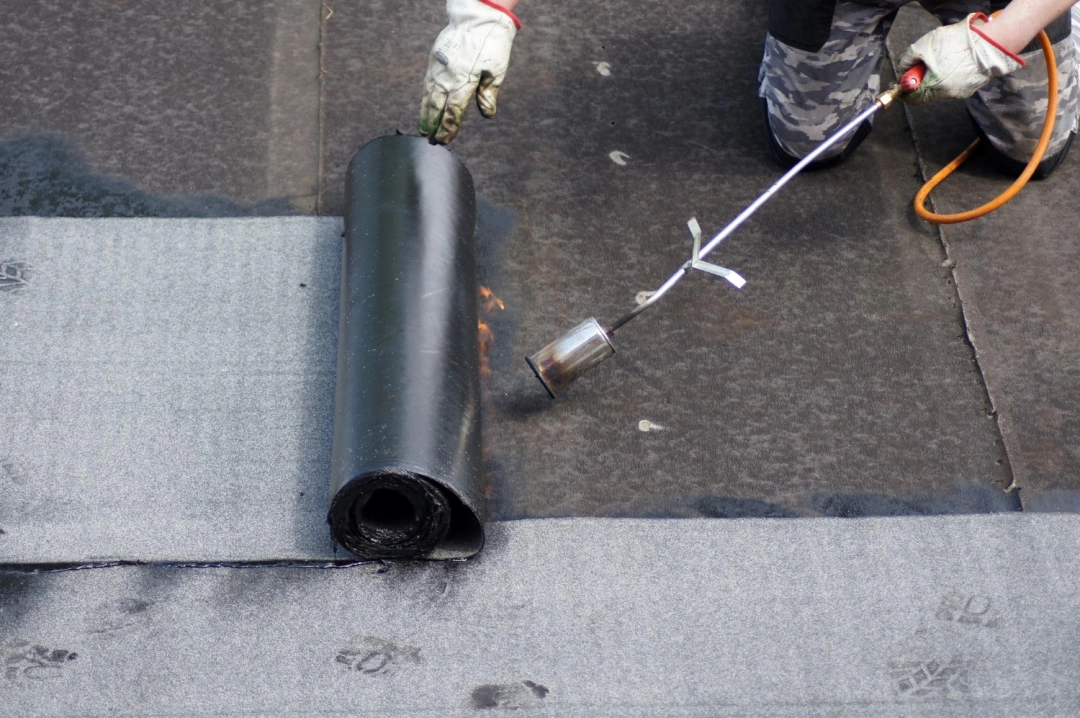
For wider issues, an overlay is a strong option. The contractor keeps the existing deck, adds insulation if needed, and installs a new waterproof layer over the top. Popular choices include torch-on felt, cold-applied liquid, EPDM rubber, and PVC single ply. Overlaying is faster and costs less labour than a full strip because disposal is reduced and the building stays mostly covered.
Cold-applied liquid systems are useful on complex shapes like roof lights and pipe penetrations. The liquid forms a seamless skin that bridges small cracks and wraps around details. It cures to create a durable membrane without heat, which suits sites where naked flame is not allowed.
Sometimes the right answer is a full replacement. If the deck is rotten, insulation is saturated, or many blisters and splits exist, patching will not last. A full strip lets the team repair the deck, upgrade insulation, and install a new system with proper falls and drainage. Though the upfront cost is higher, it often delivers the best long-term value and reduces the risk of repeat Roof Repairs.
Choosing the Right Fix for Your Flat Roof
Every roof is different. Age, size, access, and previous work all affect the choice. The goal is to spend wisely so the roof stays dry and safe. Use the points below to plan your next step and discuss options with a trusted professional.
Assess Condition and Cause
Start with a proper inspection. Take photos after rain to record pooling. Look for cracks at edges, around pipes, and near skylights. Check gutters and outlets for blockages. Indoors, note any stains or peeling paint. Share this with your roofer so they can link the cause to the damage. Fixing the cause is as important as the Roof Repair itself.
Balance Cost, Lifespan, and Energy
A cheap patch may be fine for a newer roof with a single problem. If the surface is old and brittle, repeated patches can cost more than an overlay within a few years. Consider insulation, too. Adding warm roof insulation during an overlay or replacement can improve comfort and cut heating bills.
Choose Skilled People and Clear Guarantees
Pick contractors with strong flat roofing references, proof of insurance, and training in the system they propose. Ask what materials they will use and request a written method. A clear guarantee should state what is covered and for how long. Read reviews and look for recent local jobs you can view. A reliable team will explain each stage and suggest maintenance to extend the life of the Roof Repair.
Once work is complete, set a simple maintenance plan. Clear debris twice a year and after storms. Keep photos and dates of checks. If you spot early signs of trouble, act quickly. Fast, focused Roof Repair keeps costs under control and protects your home.
In this article: