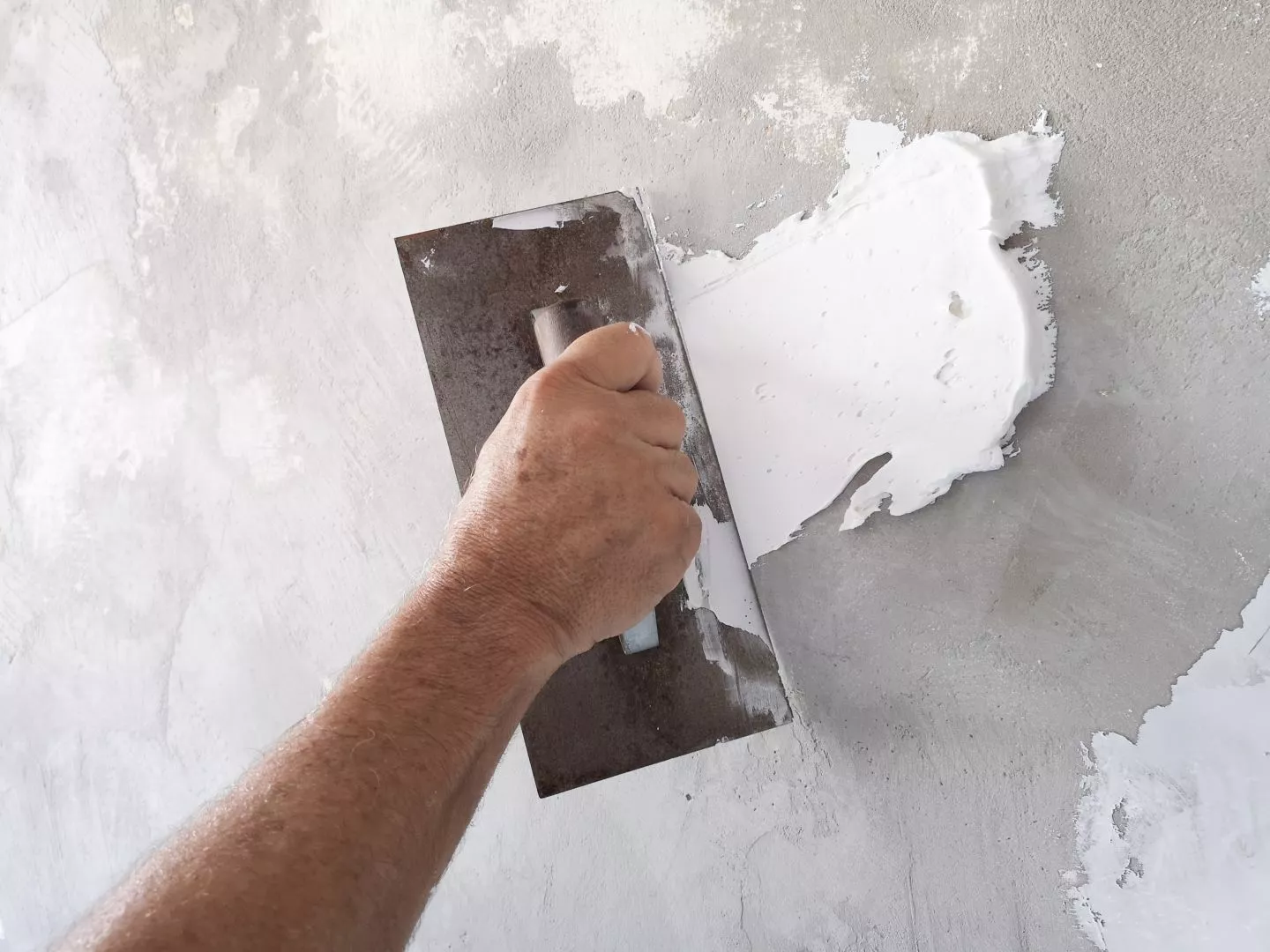
Does A Plasterer Restore Coving And Cornices?
Yes, a plasterer can restore coving and cornices, especially when the work involves plaster, fibrous plaster, damaged cornices, cracks, gaps, missing sections, or detailed mouldings around the ceiling and wall. Many older buildings have a cornice that forms an important part of the original design, so cornice restoration can help protect the character of the property while making the room look clean and complete again.
A skilled plasterer can inspect the cornice, check the level of damage, and decide whether the best answer is a small repair, a full cornice repair, or wider plaster restoration. This type of restoration work requires precision because the shape, detail, and style of the cornice need to match the original features. When the cornice has been covered with old paint, damaged by water, or affected by ageing, the repair work must be carried out with care.
Can Plasterers Install Coving Or Cornice?
Yes, plasterers can install coving and cornices. Coving and cornices are decorative mouldings that sit where the wall meets the ceiling. They can create a more finished look in a room, and they are often used in Victorian and Georgian interiors to restore original features or create a classic style in a newer property.
When you want to add coving or a cornice to your home, a plasterer can measure the space, prepare the surface, cut the mouldings, and fix them in place. This job needs the right tools, a steady hand, and good experience because the corners need to line up neatly. Poorly fitted coving can leave gaps, uneven joins, and visible cracks, so it is important to choose someone who can carry out the work to a high quality.
A plasterer who specialises in cornice repair and cornice restoration will also know how to match the design of an existing cornice. This is useful if you have one damaged cornice section and want the replacement to match the rest of the room. They may take a mould from the original cornice, create a new section, and fit it so that the repair blends in well.
What Tradesman Installs Coving?
Several types of tradesman can install coving, but a plasterer is often the best option when the work involves plaster, cornice restoration, or detailed plasterwork. Their experience with plasterwork and attention to detail make them well suited to fitting coving, repairing a cornice, and restoring decorative features around a ceiling.
Decorators may also install coving as part of improving interiors with paint, wallpaper, or other finishes. Some handymen may offer coving installation too, especially for small jobs. However, if the cornice has intricate designs, damaged cornices, cracks, or missing sections, it is wise to use a plasterer or a team that specialises in cornice repair and restoration work.
For large areas, Victorian cornice, Georgian cornice, ceiling roses, or detailed mouldings, a specialist will usually provide better results.
How Does Cornice Repair Work?
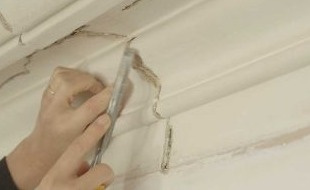
Cornice repair usually begins with a site visit. The plasterer will check the property, look at the damage, and discuss what is needed. They may find cracks, gaps, loose plaster, water damage, missing pieces, or paint build-up that has hidden the detail. This first check helps them plan the repair and decide the best methods for the job.
The next step is to prepare the area. The surface may need to be cleaned, loose plaster may need to be removed, and old emulsion or thick paint may need to be carefully stripped back. This can create dust, so the room should be covered and protected before the repair begins. A good plasterer will ensure the space is ready and safe before starting the work.
For small cracks and gaps, the plasterer may fill the damaged area, shape the repair, and sand it smooth once it has set. For larger damaged cornices, they may need to create a mould and cast a new cornice section. This process helps replicate the original design, including fine detail and curves. Once fixed in place, the new section can be blended into the existing cornice so the restoration looks natural.
Why Cornice Restoration Needs Skill
Cornice restoration is not only about filling cracks. It often involves matching the original design, understanding the type of plaster, and making sure the repair suits the age and style of the property. A Victorian cornice can be very different from a Georgian cornice, so the plasterer needs the right experience and techniques to restore it properly.
This type of repair requires precision because even a small change in shape can be easy to notice once the light hits the ceiling. The plasterer must pay close attention to the mould, the corners, the line of the wall, and the way the cornice runs around the room. The goal is to restore the cornice so it looks like it has always been there.
Cornice restoration can also improve the aesthetics of a house or commercial interiors. A damaged cornice can make a room look tired, while a clean and well repaired cornice can create a strong finish. In many cases, the restoration can also help protect the plasterwork from further damage.
Can Ceiling Roses Be Restored Too?
Yes, many plasterers who specialise in cornice repair can also restore ceiling roses. Ceiling roses are decorative plaster features fitted around a ceiling light. Like a cornice, they can crack, lose detail, or become covered with layers of paint over the years.
Restoring ceiling roses may involve cleaning the surface, repairing cracks, replacing missing detail, and repainting the feature once the repair is complete. If the ceiling rose is badly damaged, a plasterer may create a mould and make a replacement that matches the original. This is often part of wider plaster restoration in period interiors.
Need assistance finding coving and cornice repair near you?
Get a QuoteHow Much Do Plasterers Charge?
The cost of hiring a plasterer can vary depending on the size of the room, the type of cornice, the level of damage, and the amount of restoration required. Simple coving installation may cost less than detailed cornice repair because ornate plasterwork takes more time, tools, and expertise.
For basic coving or cornice installation, you may expect a price based on each metre fitted. For cornice repair, the quote will usually depend on the site, the condition of the ceiling and wall, the material needed, and whether any sections must be cast from a mould. A small repair may be fixed quickly, while a large restoration project can take longer.
Before you agree to the work, ask for a clear quote and check what is included. The quote should explain the repair, the materials, the time needed, and whether paint or finishing is included. A good company will be happy to discuss the project, answer your questions, and provide clear information before the job starts.
Can I Install Cornice Myself?
You can install cornice yourself if you are confident with DIY, but it can be a tricky task. Cornice installation needs accurate measuring, careful cutting, and the right tools. Corners can be difficult, and heavier plaster cornice can be hard to hold in place while the adhesive sets.
Lightweight coving products may be easier to fit, especially in a small room. You will need to check that the wall and ceiling are clean, mark a guide line, apply adhesive, press the coving into place, and clean away any excess material. Once it is fixed, you can fill small gaps, sand the surface, and paint it.
However, DIY is not always the right option for cornice repair or cornice restoration. If the cornice has detailed design, large cracks, missing sections, or water damage, a plasterer is usually the better choice. A specialist can match the original, repair the damage, and ensure the finished work looks clean and professional.
Common Problems With Damaged Cornices
Damaged cornices can happen for many reasons. Water leaks are a common issue because water can soften plaster and cause cracks, stains, or loose sections. Movement in the building can also create cracks where the cornice meets the wall or ceiling. Ageing can cause plaster to weaken, especially in older buildings.
Another problem is old paint. Thick layers of paint can cover the detail of a cornice and make the design look flat. In some cases, the paint may need to be removed with care before cornice restoration can begin. This helps bring back the sharp lines and original detail of the cornice.
Gaps can also appear where a cornice has pulled away from the wall or ceiling. These gaps should not be ignored because they can get worse over time. A plasterer can check whether the cornice is secure, repair the gap, and ensure the section is fixed properly.
Matching The Original Cornice Design
One of the most important parts of cornice repair is making sure the new work matches the old cornice. This is why a plasterer may need to take a mould from an undamaged section. The mould can then be used to create a matching piece in plaster or fibrous plaster.
This is especially helpful when a property has a Victorian or Georgian cornice with a detailed pattern. The plasterer can replicate the design, shape the replacement section, and blend it into the existing plasterwork. When this is done well, the repair should not stand out from the rest of the cornice.
Matching the original design also matters when the property has historic value. Many owners want to restore the cornice rather than remove it because it is part of the building’s character. Careful cornice restoration helps keep the original style while making the room look fresh again.
Preparing For Cornice Repair Or Restoration
Before the plasterer arrives, it helps to make the room ready. Move small items out of the space, cover furniture, and give the team clear access to the wall and ceiling. If the cornice is in a large room, the plasterer may need ladders or other access equipment to carry out the work safely.
You should also discuss the finish before the repair starts. Some people want the cornice left ready for paint, while others want the plasterer or decorator to complete the painting. If paint is applied too soon, it may not bond well, so it is important to allow the plaster to dry properly.
Ask the plasterer for advice on products and drying time. Lime plaster, modern plaster, and fibrous plaster can have different requirements. The right guidance will help protect the repair and ensure the restoration lasts for years.
They understand the material, know how to replicate a design, and are equipped to restore the cornice without losing its original style. This is especially important in older buildings where the cornice helps the room stand out.
Choosing A Company For Cornice Repair
When choosing a company for cornice repair, look for experience, clear communication, and examples of previous work. A gallery of completed jobs can help you see the quality of their restoration and the type of design they can repair. This is useful if your property has a detailed cornice, ceiling roses, or other decorative plasterwork.
You should also check whether the company specialises in cornice restoration, coving, and plaster repair. A team with years of experience will be better prepared to handle different materials, awkward corners, and tricky damage. They should be able to explain the process, provide a quote, and discuss the best plan for your property.
Good communication is crucial. The right team will be happy to answer questions, explain what work is required, and give honest advice. They should carry out the job with care, keep the site clean, and ensure the finished cornice suits the style of the room.
Tips for Hiring a Tradesman for Coving and Cornice Repairs
Start by checking reviews, photos, and past results. A tradesman with a strong reputation is more likely to provide a good standard of work. Look for someone who has experience with cornice repair, cornice restoration, coving, plaster repair, and decorative plasterwork.
It is also wise to get more than one quote. This helps you understand the likely cost and choose the right option for your budget. The cheapest quote is not always the best choice, especially if the cornice has intricate designs or the restoration needs specialist skill.
Before work begins, agree what will be repaired, what materials will be used, how long the project may take, and what finish you should expect. Make sure the quote is clear and that the tradesman understands the style of your property. This will help avoid problems and ensure the repair meets your requirements.
Why Restoring Cornices Is Often Better Than Removing Them
In many properties, the cornice is part of the original design and helps create the look of the interiors. Removing it can leave the ceiling and wall looking plain, and it may reduce the character of the space. Cornice restoration can be a better way to protect the original features while fixing damage.
Restoration can also be useful when only one part of the cornice is damaged. Rather than removing the whole cornice, a plasterer can repair the section, create a matching replacement, and make the finished work blend in. This can save time and keep the room looking balanced.
Finally, a restored cornice can add a great finishing touch to a property. With the right repair, clean paint, and careful attention to detail, the cornice can once again become one of the main features of the room.
Getting Ready To Start Your Project
If you are thinking about cornice repair, coving installation, or full cornice restoration, begin by checking the condition of the ceiling, wall, and plaster. Look for cracks, gaps, water stains, missing detail, loose sections, or areas where the cornice has moved away from the surface.
Take photos, make notes, and contact a plasterer or specialist team for advice. They can visit the site, assess the damage, and provide a plan for the work. Whether the job is small or large, the right hands can restore the cornice, protect the design, and ensure the finished result suits your home.
Thanks to the right experience, tools, and methods, a plasterer can repair, restore, and create cornice features that match the style of your property. Today, many home owners across the UK choose cornice restoration to bring back original detail, improve interiors, and keep period features in good order.
In this article: