What Are the Benefits of Using Cornices?
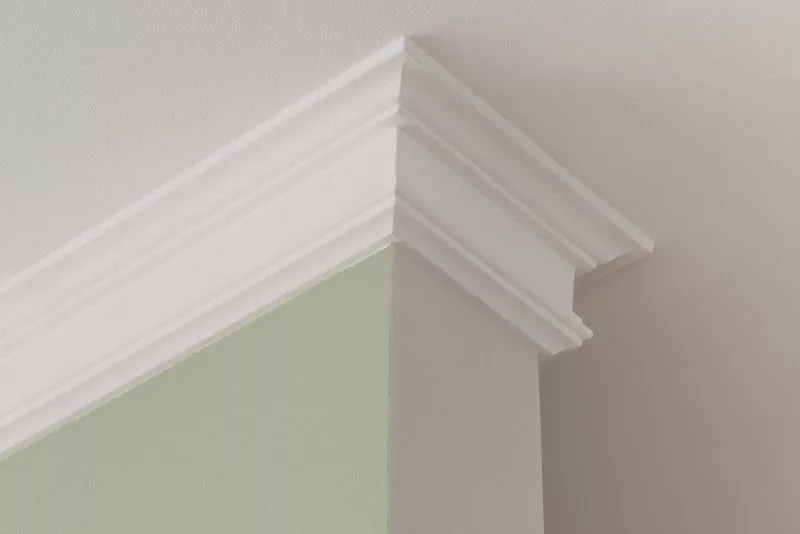
Cornices are decorative mouldings fitted at the junction where walls and ceilings meet. They are often seen as finishing touches, but they do much more than decorate a room. The right cornice can add character, improve visual appeal, hide cracks, and create a seamless transition between walls and ceilings. For homeowners, builders, and businesses, cornices offer many benefits that support both aesthetics and functionality.
In this article, we explore why cornices have been admired for centuries and why they still play a crucial role in modern homes, period homes, and commercial buildings. Whether you prefer ornate plaster cornices, minimalist modern profiles, or a simple coving cornice, choosing the right design can significantly improve the look and feel of your home.
Do Modern Houses Have Cornices?
Yes, many modern houses still have cornices. Cornices are the decorative strips you see where the walls meet the ceiling. They can be simple, curved, sharp, crisp, or very ornate. Some people think cornices are only for old houses, but that is not true. Today, many new homes use cornices to add a touch of style and create a seamless finish.
Builders and homeowners like cornices because they make rooms look more finished. Even in modern homes with clean lines and simple designs, a cornice can add just the right amount of detail. Modern cornices often use modern materials such as polyurethane or polystyrene, which are durable, lightweight, and easier to install than traditional plaster.
Modern profiles are generally simpler than traditional cornices, but they still provide strong visual appeal. A sleek design can suit modern aesthetics, while more decorative features can add decorative flair to living spaces. This flexibility makes cornices a popular choice for a wide range of architectural styles and design styles.
Cornices are also useful for hiding imperfections. They can cover gaps, cracks, cables, and uneven surfaces where walls and ceilings meet. This means they have a functional purpose as well as decorative appeal. Whether your house is old or new, cornices can enhance its appearance and protect the top part of the walls.
The Main Benefits of Cornices
Cornices offer many benefits that enhance both the aesthetics and functionality of a home. They can bring character, elegance, beauty, and charm to interiors while also providing practical benefits. The right cornice can act as a strong design element, helping to create balance between the ceiling, walls, furniture, doors, and windows.
One of the main benefits of cornices is their aesthetic appeal. Cornices frame the ceiling and soften the line where walls and ceilings meet. This creates a smooth transition and makes the room feel more complete. Even a subtle coving profile can add a touch of elegance without making the space feel overwhelming.
Cornices also add visual interest. They can include intricate patterns, geometric patterns, dentils, dart shapes, or other ornate elements that echo classical architecture. In Victorian homes and other period properties, ornate cornices help preserve historical charm and authenticity. In modern interiors, understated profiles can bring modernity while still adding depth and definition.
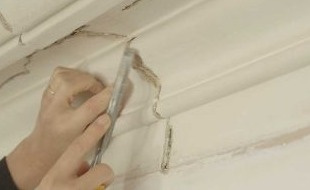
Another benefit is that cornices help with hiding imperfections. Over time, walls and ceilings can move, leading to small cracks or gaps. Cornices cover these imperfections and create a neat, polished, and finished look. This is especially useful in older homes, where concealing cracks can make a major difference to the appearance of a room.
Cornices can also help with protecting walls. They sit at the top of the walls and can prevent minor damage, dust build-up, and wear and tear around the ceiling line. In busy homes, kitchens, bathrooms, and family spaces, this extra layer of protection can be very useful. Some materials also offer better durability in areas where moisture may be a concern.
How Cornices Improve the Look of a Room
Cornices can transform the appearance of a room by drawing the eye upward. This can make the ceiling feel higher and the room feel larger. In rooms with high ceilings, larger and more elaborate cornices can add grandeur, luxury, and sophistication. In spaces with low ceilings, slim and simple profiles can help the room feel clean and balanced.
The right cornice can improve room proportions by creating a clear bridge between walls and ceilings. This seamless transition helps the space feel harmonious and finished. Cornices can also reflect light when painted in a bright colour, making the ceiling and walls feel cleaner and more open.
A well chosen cornice complements the desired aesthetic of the room. For example, classical styles often suit traditional cornices with intricate designs, while contemporary designs often work better with smooth, sleek, and minimalist coving. This range of various styles means cornices can match many types of décor.
Cornices can also add a touch of beauty to plain rooms. A simple ceiling can look flat without detail, but decorative cornices add character and decorative appeal. They provide an attractive ledge-like feature that gives the eye something to follow around the room. This can make the space feel more considered and higher in quality.
Need assistance finding coving and cornice repair near you?
Get a QuoteDifferent Types of Cornices and Materials
There are different types of cornices made from various materials. The most common materials include plaster, polyurethane, polystyrene, and wood. Each right material depends on the style of the home, the budget, the room, and the installation process.
Plaster cornices are a traditional choice and are often used in period properties, Victorian buildings, and renovations where authenticity matters. Plaster can create intricate designs and elegant designs with strong detail. It is admired for its quality and historical appearance, but it can cost more and may need professional installation.
Polyurethane cornices are a popular choice for modern homes because they are lightweight, durable, and easier to install. Polyurethane is also versatile and can be used in bathrooms, kitchens, and other living spaces when the product is suitable for moisture. It can be painted, cut, and fitted with more ease than heavy plaster.
Polystyrene coving is often cost effective and useful for simple DIY projects. It is light and easy to handle, making it ideal for homeowners who want to refresh a room on a budget. However, it may not offer the same depth, durability, or sharp detail as plaster or polyurethane.
Wood cornices can add warmth and character, especially when stained or painted to match furniture or other features in the home. Wood can suit both traditional and modern interiors, depending on the profile and finish. Choosing the right material is essential for achieving the perfect balance of style, cost, and durability.
Can Cornices Increase Property Value?
Yes, cornices can increase property value by improving the overall appearance and perceived quality of a home. Buyers often notice small architectural features that make a house feel finished. Cornices, coving, mouldings, and other decorative elements can give a property a more polished and cared-for look.
A well placed cornice can enhance the aesthetic appeal and visual appeal of a room. It can make interiors feel more attractive, more complete, and more valuable. Buyers may see cornices as a sign of attention to detail, especially in traditional or period properties where historical features are expected.
Cornices can also help modern homes stand out in the market. Clean modern cornices can add definition without taking attention away from the rest of the design. When selecting the right style, homeowners should think about how the cornice complements the architecture, furniture, paint colours, and overall décor.
Additionally, cornices can create a seamless finish by covering gaps between walls and ceilings. This gives the home a more professional appearance, which can appeal to buyers. Even simple cornices can make a difference because they provide extra design quality without a huge cost.
Do Cornices Make a Room Look Smaller?
Some people worry that cornices might make a room look smaller, but this usually depends on the size, shape, and style chosen. The right cornice can actually make a room feel better balanced. It can also draw the eye upward and create a sense of height.
For rooms with low ceilings, slim coving profiles and simple cornices are often best. A large ornate cornice may feel too heavy in a small space, while a subtle profile can soften the transition between walls and ceilings. Light paint colours can also reflect light and make the room feel brighter.
For larger rooms and high ceilings, bigger cornices can create impact. Ornate designs, classical styles, and elaborate mouldings can add grandeur without making the room feel crowded. These features fill empty ceiling space and help create more balanced proportions.
Cornices can also make a room feel more finished by forming a clean line around the ceiling. This definition gives the space structure and helps the walls, ceiling, and decorative elements work together. By choosing the right size and profile, cornices can enhance a room without reducing its sense of space.
Practical Advantages of Cornices
Cornices are often chosen for appearance, but they also provide practical advantages. They can hide cracks, cover gaps, and prevent the upper wall area from looking rough or unfinished. This is useful during renovations, especially when older walls and ceilings are not perfectly straight.
In some buildings, cornices can also help with acoustics by softening hard edges near the ceiling. While they are not a full insulation solution, some materials may contribute slightly to improving the feel of a room by reducing sharp echoes. This can be helpful in larger rooms with hard floors and plain surfaces.
Cornices can also support better design planning. They help connect walls and ceilings, making paint choices and decorative schemes feel more cohesive. For instance, a white cornice can create contrast between coloured walls and a pale ceiling. A painted cornice can also add a touch of personality when used with care.
In bathrooms and kitchens, moisture should be kept in mind when choosing cornices. The right material and correct installation can prevent problems caused by water, steam, and damage. Homeowners should check that the chosen materials suit the room before fitting them.
Installation and Finishing Advice
Installation is an important part of achieving a flawless finish. Cornices need to be measured, cut, joined, fixed, filled, and painted with precision. Even simple profiles can look poor if the corners are not neat or the joints are not smooth.
Some homeowners install lightweight cornices by hand using adhesive and basic tools. This can work well for simple coving and small rooms. However, more detailed plaster cornices often need professional techniques. Hiring a professional can ensure the cornices fit properly and meet the ceiling and walls cleanly.
How to Choose the Right Cornice
Choosing the right cornice involves several factors. The first is the style of the home. Period homes often suit ornate plaster cornices with intricate designs, while modern homes may suit simple, smooth, and minimalist profiles. The cornice should match the architecture rather than compete with it.
The second factor is the size of the room. Larger rooms and high ceilings can handle deeper and more decorative cornices. Smaller rooms and low ceilings usually look better with slim coving or modern profiles. Selecting the right proportions is key to making the room feel balanced.
The third factor is material. Plaster gives a classic and high quality finish, but it can be challenging to install. Polyurethane is lighter, easier to cut, and suitable for many modern renovations. Polystyrene can be a cost effective choice for simple DIY projects. Wood can bring warmth and character. Understanding the strengths of each material makes choosing easier.
The fourth factor is cost. Your budget will affect the choice of materials, profiles, and whether you install the cornices yourself or hire a professional. Simple coving can cost less, while bespoke plaster mouldings usually cost more. Investing in quality materials and careful installation can lead to a better finish.
Finally, think about the desired aesthetic. Cornices should suit your taste, the room design, and the wider home. You may want a subtle look, a decorative feature, or a bold ornate profile. Choosing the right cornice can elevate the room and add a touch of elegance.
Why Cornices Are Still Worth Considering
Cornices are sometimes overlooked, but they can make a clear difference to the look and value of a home. They add beauty, protect walls, hide imperfections, and create a finished transition between walls and ceilings. They also offer design flexibility, with a variety of profiles, shapes, and materials available.
Whether you are renovating a Victorian property, improving a modern house, or planning updates for commercial buildings, cornices can bring charm, elegance, and structure to interiors. They can be ornate or simple, traditional or modern, subtle or decorative. This versatility is one reason they remain a popular choice.
For homeowners who want to decorate, refresh, or improve their home, cornices are an effective way to add style without changing the whole room. They can enhance architectural styles, support modern aesthetics, and add character to spaces that feel plain.
Finally, cornices combine appearance with practical benefits. They help cover cracks, protect surfaces, improve visual interest, and create a seamless transition at the ceiling line. With careful planning, the right material, and the right installation method, cornices can provide lasting appeal, better functionality, and a beautiful finished look.
In this article: