Is Coving Old Fashioned?
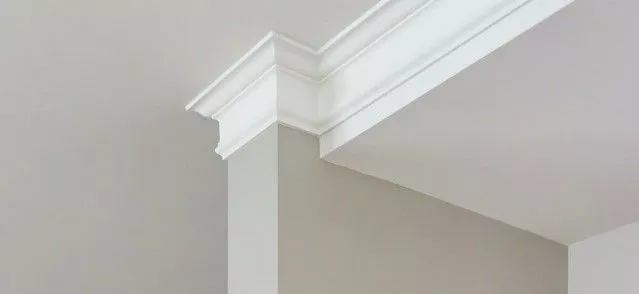
Coving is the decorative moulding placed at the junction where the walls and ceiling meet. It can be made from plaster, wood, plastic, or lightweight modern materials, and it has been used in home decoration for many years. Some homeowners worry that coving feels old fashioned, while others see coving as a timeless feature that adds elegance, charm, and character to a room.
The truth is that coving is still widely used across the UK. Many homeowners like the way coving works to hide imperfections, create smooth transitions, and soften hard angles between the walls and ceiling. While some modern trends focus on clean lines and a minimalist look, coving continues to be popular because it can suit both traditional homes and contemporary designs.
In the past, coving was often seen in Victorian, Georgian homes, and other heritage properties. Today, coving is also used in modern homes, new builds, and renovation projects where homeowners want to create a finished look. The key is to choose the right coving style for the property, the ceiling height, the furniture, and the rest of the interior design.
In the end, whether coving feels outdated or stylish depends on personal taste. If coving suits your home and helps create the look you want, it can still be the perfect finishing touch for your space. Coving is not only about the past. It can also play an important role in modern design trends when it is handled with care.
Why Coving Is Still Popular
Coving remains popular because it adds detail without needing a major building change. A simple length of coving can create a big difference in a room by making the ceiling and walls feel more finished. This is one of the main reasons homeowners still choose coving when updating a house or starting a renovation.
Traditional coving can create a classic feel, especially in a period property where original features are important. Ornate coving can match decorative cornice, ceiling roses, and other traditional features, helping to maintain the character of the property. In rooms with high ceilings, traditional coving styles can create balance and make the space feel more complete.
Modern coving can also work well in modern homes. A subtle curve, plain profile, or white coving painted white can create a clean finish without making the room feel too decorated. This type of modern coving is ideal for homeowners who prefer a simple, contemporary, and minimalist style.
Coving also offers practical value. It can cover cracks, gaps, and uneven areas where the walls meet the ceiling. This makes coving an effective choice when decorating older homes, restoring rooms, or making a space look ready for paint and wallpaper.
What Are the Benefits of Coving?
Coving offers both practical and decorative benefits. It helps create a neat transition between the ceiling and walls, which can make a room feel more finished. Coving adds definition to the space and can enhance the overall look of the interior.
One clear benefit of coving is that it can hide imperfections. Over time, small cracks and gaps can appear at the ceiling line. Coving can cover these marks and create a cleaner finish. This is useful in older homes, heritage properties, and renovation projects where the building has moved slightly over the years.
Coving also adds elegance and charm. Traditional coving, ornate coving, and decorative coving can create a classic look that suits older properties and rooms with more detail. At the same time, modern coving with clean lines can create a fresh and contemporary finish in new builds and modern homes.
Another benefit is that coving is available in a wide range of materials. Plaster coving is a classic choice and is often used in traditional interiors. Lightweight materials can offer easy installation and are often easier to cut, install, and paint. This makes coving a budget friendly way to refresh a room without changing the whole ceiling or walls.
Coving can also add value to a property by making the home feel more cared for and complete. Buyers often notice small details, and a well finished ceiling line can make a positive impact. While coving alone may not be the main selling feature, it can help create an appealing first impression.
Different Styles of Coving
There are many coving styles available, and the best choice depends on the property, the room, and the design you want to achieve. Traditional coving styles often include more detail, deeper curves, and a more ornate finish. These styles are often used in Victorian homes, Georgian homes, and heritage properties where coving should match the age and character of the building.
Ornate coving is a strong choice for rooms that need more decoration. It can create elegance and a sense of history, especially when paired with classic furniture, rich colours, and detailed wallpaper. Ornate coving can also work well in dining rooms, living rooms, and bedrooms where homeowners want a more formal atmosphere.
Modern coving is usually simpler. It often has clean lines, a subtle shape, and less decoration. This makes modern coving a good choice for contemporary interiors, open-plan spaces, and modern homes where the design needs to feel fresh rather than heavy. Modern coving can help create a modern look while still giving the room a finished edge.
Traditional coving remains a strong option when restoring a house or maintaining original features. Traditional coving styles can blend with plaster cornice, ceiling roses, and classic paint colours. When chosen well, traditional coving does not look out of place. Instead, it helps the whole interior feel balanced.
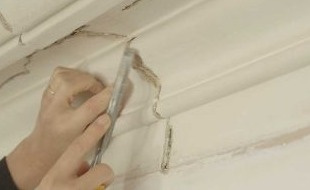
Need assistance finding coving and cornice repair near you?
Get a QuoteWhich Type of Coving Material Is Best?
The materials used for coving affect the look, cost, installation, and long-term care. Plaster coving is a classic material that suits traditional homes and period properties. Plaster can create sharp detail and a quality finish, but it can be heavier and harder to install. For this reason, plaster coving is often best fitted by skilled installers.
Lightweight coving materials are a popular choice for modern homes and new builds. These products are easier to handle, easier to cut, and often allow for easy installation. Lightweight coving can be a practical choice for homeowners who want to install coving without too much mess or disruption.
Wood coving can add warmth and character. It may suit a house with natural furniture, rustic decor, or a more traditional interior. However, wood can need more care than other materials, especially if the room has changes in heat or moisture.
Plastic and other modern materials are often budget friendly, durable, and easy to paint. These materials can offer a wide range of coving designs, from classic to contemporary. They can be ideal when homeowners want coving that is simple to maintain and easy to refresh with new colours.
How to Update Coving for a Modern Look
If your coving looks outdated, you may not need to remove it. Updating coving can be simple and effective. Cleaning the coving, filling cracks, and applying fresh paint can create a big difference. White coving painted white often gives a clean and classic finish, while softer colours can help the coving blend into the ceiling and walls.
Paint can change the whole feel of the coving. Matching the coving to the ceiling can create a subtle look, while painting it to match the walls can make the room feel taller. Some homeowners use deeper colours to create impact, but this needs care so the coving does not feel too heavy in the space.
For a more modern look, choose modern coving with simple lines and less detail. This can help create a cleaner transition between the walls and ceiling. In rooms with low ceilings, subtle coving is usually best because large ornate coving can make the ceiling feel lower.
Updating coving can also include adding led lighting. Coving with integrated led lighting can create soft light around the ceiling and make the room feel warm and stylish. This approach is popular in contemporary designs because it adds atmosphere without needing large light fittings.
Modern Alternatives to Coving
Some homeowners prefer not to use coving at all. A smooth transition between walls and ceiling can suit a minimalist interior, especially in modern homes where the goal is a clean and simple look. This can work well when the plaster finish is high quality and the ceiling line is neat.
Ceiling trims can be used as a subtle alternative to coving. These products create a finished edge without the shape or curve of traditional coving. They can suit contemporary rooms where the design needs to stay simple.
Led lighting can also be used with or without coving. When paired with modern coving, led lighting can create a soft glow and add atmosphere to bedrooms, living rooms, and open-plan spaces. This can make coving feel more modern and show that coving trends are still changing.
For some rooms, no trim may be the best choice. However, this depends on the property and the quality of the finish. If the junction between the walls and ceiling is uneven, coving may still be the better way to create a clean and finished look.
Is Coving Right for Your Home?
Whether you decide to install coving depends on your home, your taste, and the design you want to create. Coving can suit a traditional property, a contemporary house, or a modern flat, but the style must match the room. The wrong coving can feel heavy, while the right coving can enhance the whole interior.
In a traditional home, traditional coving can help maintain character and charm. It can create a strong connection with the past and make the room feel more in keeping with the building. In a period property, restoring coving can be an important part of keeping original features and protecting the style of the house.
In modern homes, simple coving is often the best choice. Modern coving can create clean lines and a subtle finish that does not compete with furniture, colours, or other design details. This makes coving suitable for homeowners who want a modern look without losing the finished feel that coving adds.
The size of the room also matters. In small bedrooms or rooms with low ceilings, choose subtle coving that will not make the space feel smaller. In larger rooms, traditional coving or ornate coving can create balance and make the ceiling feel less empty. The right coving can make a room feel bigger, more finished, and more carefully designed.
You should also think about how the coving will work with the rest of the room. Coving should match the furniture, paint, wallpaper, and overall decor. If the room is simple and modern, choose a simple profile. If the room is classic and full of detail, traditional coving may be the better choice.
Coving in Period and Heritage Properties
Coving is especially important in period homes and heritage properties. In these spaces, coving is often part of the building’s character. Removing traditional coving can sometimes make a room feel unfinished or out of balance, especially if the ceiling is high or the room still has other classic features.
Traditional coving styles can help maintain the look of older homes. In Victorian and Georgian homes, ornate coving and plaster cornice can create a sense of elegance and care. These details add charm and show that the property has been looked after over time.
When restoring coving in an older property, it is important to choose materials and products that match the original design as closely as possible. Good suppliers can offer advice on profiles, materials, and installation. This helps homeowners achieve a finish that feels true to the property rather than forced or out of place.
Coving in New Builds and Modern Homes
Coving can also work in new builds and modern homes, but the approach is usually different. Instead of choosing heavy decoration, many homeowners opt for modern coving with clean lines and a subtle curve. This can create a finished edge while keeping the overall design fresh and simple.
New builds often have plain rooms, smooth walls, and simple ceilings. Coving can add just enough detail to stop the space feeling too bare. It can also help create a softer atmosphere, especially when paired with warm paint colours, soft furniture, and layered light.
Modern trends show that coving is making a quiet comeback. The revival is not always about ornate plaster designs. In many modern interiors, coving is used in a cleaner, more subtle way. This allows homeowners to enjoy the benefits of coving while still keeping a contemporary style.
How to Choose the Right Coving
To choose the right coving, start by looking at the age and style of your property. A traditional house may suit traditional coving, while a modern home may need a more simple design. The coving should feel like it belongs in the room and should blend with the ceiling, walls, and furniture.
Next, think about ceiling height. High ceilings can usually handle larger or more ornate coving. Low ceilings often look better with a smaller and more subtle profile. This helps maintain balance and stops the room from feeling crowded.
You should also compare materials. Plaster gives a classic and quality finish, while lightweight products can be easier to install and maintain. If you are thinking about fitting coving yourself, easy installation may be one of the most important factors.
Good suppliers can help you find coving that will suit your property and your budget. Suppliers may offer samples, advice, and products that match both traditional and contemporary designs. Taking time to compare suppliers can help you make a better choice and avoid buying coving that does not match the room.
In this article: