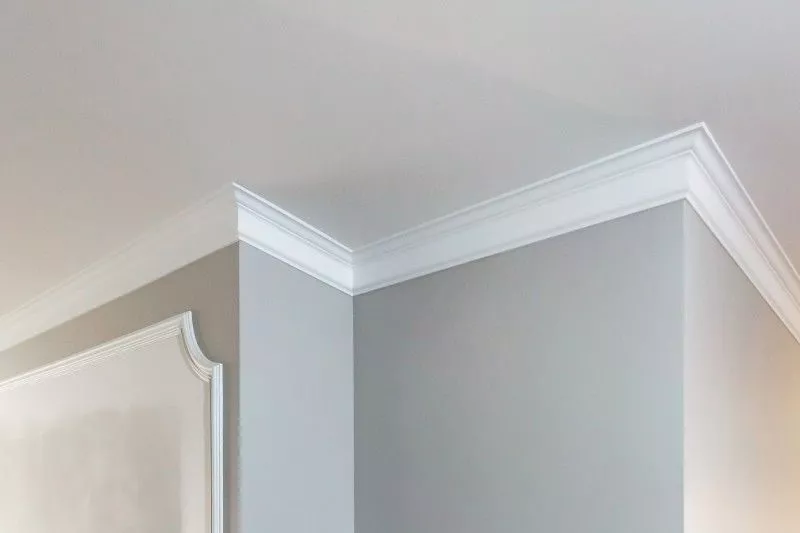
Average Cornice Repair Costs
The cost of repairing a cornice can vary depending on several factors, including the size of the room, the type of plaster, the shape of the mouldings, the level of detail, and the condition of the wall and ceiling. On average, a small cornice repair may cost between £50 and £100, while larger repairs can cost £300 or more. The overall cost is often higher when the cornice has intricate designs, large sections missing, or needs to match original detail in a Victorian property.
A cornice can add character to an interior, but repair work is not always simple. If the cornice is made from plaster, the repair may need specialised skills so the new section blends with the old coving or cornice already in place. This is why plaster cornices are usually more expensive to repair than lightweight materials. The quickest way to get a fair price is to ask a plasterer or experienced tradesperson for a quote that includes labour, materials, access, preparation, and finishing touches.
Size of the Damage
The size of the damage plays a significant role in the final repair cost. Small cracks, chips, or a narrow gap between the cornice and ceiling are usually cheaper to fix. However, if there are large sections missing, damp damage, or heavy plaster that has come away from the wall, the repair can become more complex and costly.
The condition of the surface also matters. A tradesperson may need to check whether the ceiling or wall is sound before making a repair. If the problem has been caused by damp, movement, or poor fitting, this should be fixed first. Otherwise, the repaired cornice may crack again after it has been painted.
Type of Cornice
The type of cornice has a strong effect on the cost. Plaster cornices are traditional, elegant, and often found in older homes, but they are usually more expensive to repair because the detail must be shaped by hand or matched from a mould. This can take time, especially where the design has a deep profile or complex detail.
Modern cornice materials may be easier to repair or replace. Polystyrene and other lightweight materials can be more affordable, although they may not give the same finish as plaster. If the aim is restoration in a period property, plaster is often the most suitable choice because it helps keep the original detail and character of the room.
Labour Costs
Labour costs can vary depending on location, experience, and the complexity of the project. In London, labour costs are often higher than in many other regions because demand for skilled services is greater. A small repair may take an hour or two, while a complex cornice restoration can take most of a day or more.
When asking for a quote, check what is included. A good quote should explain the repair work needed, the materials, the preparation, whether paint is included, and whether any access equipment is required.
How Much Does New Cornice Cost?
New cornice can enhance a home and create a more finished look where the wall meets the ceiling. The cost of new cornice typically depends on the material, design, size of the room, and installation costs. On average, a standard cornice may range from around £4 to £15 per metre before labour, although the final price can increase depending on the detail and fitting work required.
For larger rooms, the cost will rise because more lengths of cornice are needed. A room that needs 10 metres of cornice could have a material cost of £40 to £150, depending on the type chosen. Installation costs then need to be added, along with adhesive, paint, preparation, and any extra work needed to make the finish look clean.
Material
The material of the cornice has a clear influence on the budget. Plaster is durable and gives a classic finish, but it is usually more costly than polystyrene. Polystyrene is lightweight, affordable, and often used where people want to save money, but it may not have the same depth, shape, or long life as plaster.
Timber and other materials can also be used, although they are less common. The best choice will depend on the style of the property, the design you want to match, and how much you want to pay. In a Victorian home, a plaster cornice is often preferred because it can match older mouldings more closely.
Design and Style
The design and style of the cornice can make a big difference to the price. Simple standard coving or plain cornice is usually the most affordable option. A more decorative design with fine detail, deep curves, or a shaped profile will take longer to make and install, so the cost will be higher.
If you need to match an existing cornice, the work can become more complex. The tradesperson may need to take a sample, create a mould, or shape plaster in situ. This can increase the cost, but it often gives the best result when you want the new work to look like it has always been part of the room.
Room Size and Length of Cornice
The size of the room affects both material and labour. Larger rooms need more lengths of cornice, more adhesive, more paint, and more time for installation. The cost per metre can be useful as a guide, but the full project cost will also depend on corners, joins, access, and the condition of the walls and ceiling.
Some rooms are simple squares, while others have chimney breasts, bay windows, awkward corners, or uneven surfaces. These factors can increase the time needed and push up installation costs. A quote based on the exact room size and design will be more accurate than a general average.
Need assistance finding coving and cornice repair near you?
Get a QuoteAverage Coving Repair Costs
The cost of repairing coving depends on the damage, material, location, and finish required. On average, small coving repairs may cost between £30 and £80, while more serious damage can cost £100 or more. Coving cost can also increase if the repair must match an existing shape, if the ceiling is uneven, or if the paint finish needs careful blending.
Coving is often used to soften the join between the wall and ceiling. When it is cracked, missing, or poorly painted, it can make a room look unfinished. A careful repair can restore the coving without needing full replacement, especially when only a small area is affected.
Size and Type of Coving Damage
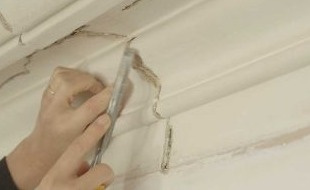
Small cracks in coving are usually easy to repair. A tradesperson may fill the cracks, sand the surface, and paint the area to match the rest of the room. If a section is missing or has been removed, the repair may need new coving cut to size and shaped to match the existing profile.
Damage caused by damp should be checked before any coving repair starts. Paint can hide a problem for a short time, but damp may return if the source is not fixed. This is why planning the work properly is important, especially in older homes where plaster coving may be heavy and more fragile.
Material Type
Plaster coving is common in older properties and gives a strong, traditional finish. However, plaster coving can be more expensive to repair than polystyrene coving because it takes more time and experience to shape, fix, and paint. The result can be worth it when the aim is to keep the character of the home.
Polystyrene coving is lighter and easier to install. It is often chosen for a budget project or for a simple room where standard coving is enough. While polystyrene coving can be suitable for many homes, it may not be the best match for a detailed plaster cornice or decorative mouldings.
Labour Costs and Location
Labour costs for coving repair can vary depending on where you live. In London, a professional may charge more because travel, demand, and general service costs are higher. The experience of the tradesperson also influences the price, especially when the coving has fine detail or needs careful restoration.
It is a good idea to get more than one quote before choosing a service. Each quote should state whether supply, fitting, adhesive, paint, and finishing are included. This makes it easier to compare the true coving cost and find a professional who can achieve a neat finish.
How Much Does New Coving Cost?
If repair is not possible, new coving can refresh the room and give a clean line between the wall and ceiling. The coving cost for new materials typically ranges from £2 to £10 per metre, depending on the material, design, and size of the room. Plaster coving often starts at a higher price per metre, while polystyrene coving is usually the most affordable option.
The final coving cost is not just the material price. Installation costs, labour, adhesive, paint, preparation, and waste removal may all be included in the quote. For a small room, coving installation may start from around £150 to £200 for labour, but the cost can increase for larger rooms or more detailed designs.
Materials and Cost
Polystyrene coving is lightweight, quick to cut, and easy to install, making it a common choice for people working with a tight budget. It can help keep the coving cost low, especially in a simple room. However, it may not give the same quality of finish as plaster, and it can be damaged more easily by knocks.
Plaster coving costs more, but it gives a stronger and more traditional finish. It is often chosen for a period property or a room where detail matters. The cost per metre for plaster coving is usually higher, and the installation takes longer because the material is heavier and needs careful handling.
Design and Room Size
The design of the coving affects the cost because plain coving is quicker to install than detailed coving. A simple shape is usually cheaper, while a complex profile with more detail will need more time. If the design must match old coving or a cornice, the work can become more expensive.
Room size also matters. Larger rooms need more coving, more joins, and more time for fitting. The number of corners can also affect the cost because each corner must be cut neatly so the lengths meet correctly. A good finish depends on careful measuring, cutting, fixing, and painting.
Coving Installation Costs
Coving installation costs vary depending on the material, room size, and complexity of the work. A simple coving installation in a small room will usually cost less than a detailed installation in a large room with uneven walls. In London, coving installation may cost more than in other areas because labour and service costs are higher.
Professional installation is often the best choice when the coving is plaster, the design is detailed, or the room has difficult corners. A professional can install coving neatly, fill the joins, smooth the surface, and paint the coving so it blends with the ceiling and wall. This ensures the finish looks clean and long lasting.
Some people choose DIY coving installation to save money. This can work well with lightweight coving in a simple room, especially when using standard coving and ready-mixed adhesive. However, DIY installation can become difficult if the walls are uneven, the coving is heavy, or the design needs to match existing mouldings.
Coving Installation Costs
Coving installation costs vary depending on the material, room size, and complexity of the work. A simple coving installation in a small room will usually cost less than a detailed installation in a large room with uneven walls. In London, coving installation may cost more than in other areas because labour and service costs are higher.
Professional installation is often the best choice when the coving is plaster, the design is detailed, or the room has difficult corners. A professional can install coving neatly, fill the joins, smooth the surface, and paint the coving so it blends with the ceiling and wall. This ensures the finish looks clean and long lasting.
Some people choose DIY coving installation to save money. This can work well with lightweight coving in a simple room, especially when using standard coving and ready-mixed adhesive. However, DIY installation can become difficult if the walls are uneven, the coving is heavy, or the design needs to match existing mouldings.
What Is Included in a Coving or Cornice Quote?
A clear quote should explain everything included in the cost. This may include measuring the room, supplying coving or cornice materials, removing loose or damaged sections, preparing the wall and ceiling, fitting the new lengths, applying adhesive, filling gaps, sanding, and painting. If paint is not included, you should know this before the work begins.
A quote should also mention whether access equipment is needed. High ceilings, stairwells, or awkward corners can increase the cost because the tradesperson may need extra time or equipment. In some cases, furniture may need to be moved, and the area may need to be protected before repair or installation begins.
When comparing quotes, check the level of detail. A low price may not include paint, supply, waste removal, or making good after the work. A higher quote may be better value if it includes all materials and finishing touches. This helps you plan the budget and avoid paying more than expected.
Repair or Replace Coving and Cornice?
Deciding whether to repair or replace coving or cornice depends on the damage, age, condition, and budget. If the damage is small, a repair is often the quickest and most cost-effective option. Small cracks, chips, and minor gaps can usually be fixed without removing the whole run of coving or cornice.
If the coving or cornice is badly damaged, loose, or missing in several places, replacement may be better. When large sections are missing, it can be hard to make a repair look natural unless the profile can be matched. New coving may also be a good option if the old coving has been poorly fitted or painted many times.
Cost is an important factor. Sometimes repair is cheaper, but not always. If the repair needs complex plaster work, mould making, or careful matching, the cost may be close to replacement. In that case, installing new coving or a new cornice could give a cleaner result and may last longer.
In this article: