What Are the Differences Between Cornice and Coving?
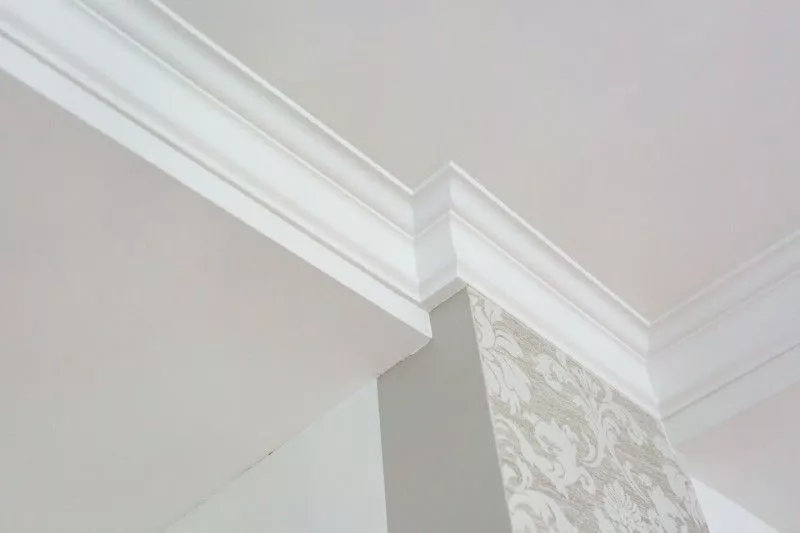
Cornice and coving are both decorative mouldings used where the wall and ceiling meet, but they are not the same thing. The main difference is usually found in the shape, size, profile, and level of detail. Cornice is often more decorative, more detailed, and more suited to a grand or traditional interior. Coving is generally simpler, smoother, and more subtle, with a uniform shape that helps soften the corner between the wall and ceiling.
People often use the terms cornice and coving interchangeably, and in some cases they can seem almost synonymous. However, the term coving usually refers to a simple curved moulding, while cornice is a more generic term that can refer to a wider range of decorative moulding designs. The key differences become clearer when you look at the profile, projection, materials, and style of each type.
Coving typically has a traditional quarter circle or c shape profile. This gives it a gentle transition from the wall to the ceiling. Cornice can be plain, but it often includes complex designs, ornate patterns, dentils, scrolls, egg and dart detail, or other decorative elements. A detailed cornice can create architectural grandeur, especially in period properties, rooms with high ceilings, and houses built in a traditional architectural style.
Is Cornice the Same as Coving?
No, cornice and coving are not the same. Both coving and cornice are used to decorate the junction where the wall and ceiling meet, but they serve slightly different purposes in interior design. Coving is usually simple and smooth, while cornice is often more ornate and crafted with extra depth, detail, and projection.
Coving is a popular choice in modern homes because it creates clean lines and a neat finish. It can hide small imperfections where the wall and ceiling join, while giving the room a finished appearance. The simple form of coving means it does not draw too much attention, which is useful in a minimalist interior or a smaller space.
Cornice, on the other hand, is often used when owners want to add decorative detail, grandeur, or elegance. Cornice profiles can include intricate patterns and elaborate designs. In period properties, a plaster cornice may be used to match original features and protect the history of the house. Cornice can also add value by making the interior feel more complete and carefully crafted.
The difference between cornice and coving is not only about appearance. It is also about the sense of style each one creates. Coving softens the corner and gives a clean finish. Cornice can enhance the ceiling, frame the room, and create a stronger link with a certain era or architectural style.
Understanding the History of Cornice and Coving
The history of cornice goes back a long way. Cornice was used in roman architecture as an important decorative and structural feature. It originally helped finish the upper part of a building, but over time it became an important part of interior design too. In grand buildings, cornice helped create a sense of architectural grandeur and made the ceiling feel more impressive.
Coving also has a long history, although it is usually simpler than cornice. In many traditional homes, coving was used to soften the hard corner between the wall and ceiling. It gave rooms a cleaner appearance and helped create a more refined finish. The georgians often used moulding and plaster features to improve proportions, and the victorian era brought more ornate designs, including detailed cornice, ceiling roses, dentils, and egg and dart patterns.
Today, coving and cornice still exist in a diverse range of designs. Some people choose traditional plaster moulding for period properties, while others choose modern coving cornice designs for modern homes. This means cornice and coving can be used in many types of home, from a victorian house with high ceilings to a new build room with a minimalist style.
How Cornice and Coving Affect the Look of a Room
Cornice and coving can change how a room feels. A simple coving profile can make a space feel clean, calm, and finished. It can make the join between the wall and ceiling look smooth, which is useful where the plaster is uneven or where small cracks have appeared.
Cornice can create more drama. A large plaster cornice with an ornate profile can add sophistication, elegance, and grandeur. It can draw the eye across the ceiling and make the room feel more formal. This is why cornice is often found in period properties, older homes, and rooms where owners want a grand style.
The size of the moulding is important. A small coving design may look perfect in a low ceiling room, while a large cornice may feel overwhelming. In rooms with high ceilings, a larger cornice can provide balance and help the ceiling feel connected to the wall. Choosing the right size, profile, and projection can enhance the interior without making the space feel too filled or heavy.
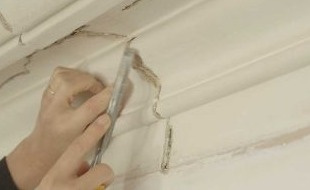
Need assistance finding coving and cornice repair near you?
Get a QuoteWhat Are the Different Types of Cornices?
Cornice comes in many different types, materials, and designs. A plaster cornice is a traditional choice and is often used in period properties. Plaster can be crafted into complex designs, including ornate patterns, dentils, scrolls, and egg and dart features. This type of plaster moulding is ideal when the aim is to create a detailed, traditional, and elegant finish.
Gypsum plaster is another common material used for cornice. It is strong, smooth, and suitable for decorative moulding. Gypsum plaster can be used for both simple and elaborate designs, allowing the cornice to suit either a traditional or modern interior. In some cases, fibrous plaster is used when a more detailed cornice is required, especially for restoration work or larger decorative features.
Wood cornice can provide a warm and natural look. Timber can be painted or stained, and it works well in a room where other wood features are already present. Wood can create a crafted appearance, although it may require careful installation to ensure clean joins and a neat finish.
Modern materials are also common. Polyurethane cornice is light, easier to install, and often more affordable than traditional plaster. It can be made in a range of different sizes and designs, giving homeowners more choice. Metal cornice is less common inside the home, but it can be used in certain modern or industrial interiors where the design needs a sharper or more unusual appearance.
The full range of cornice profiles includes simple clean designs, large grand profiles, and intricate decorative patterns. Some cornice designs include a convex profile, while others use stepped shapes, deep projection, or repeating elements. The best choice depends on the room, the ceiling height, the architectural style, and personal preference.
What Are the Different Types of Coving?
Coving is generally more uniform than cornice. It usually has a smooth curve and a simple profile, often in a c shape. This uniform shape is one reason coving is so common in modern homes. It gives a clean and subtle finish without adding too much detail.
Traditional coving is often made from plaster, which gives a solid and long-lasting finish. Plaster coving can be fitted, filled, and painted so it blends neatly with the wall and ceiling. It is a good choice when the home needs a classic look, but the owner does not want the ornate detail of a cornice.
Modern coving can also be made from lighter materials, which can make installation easier. These materials can be cheap compared with hand-crafted plaster, and they are often useful for a quick project. However, the finish may not always possess the same depth or quality as traditional plaster moulding.
Coving cornice designs are also available for people who want a finish that sits between simple coving and ornate cornice. This type of coving cornice can add more interest than basic coving, but it will not usually have the same grandeur or detail as a large cornice.
Cornice Profiles, Projection, and Size
When choosing cornice or coving, the profile is one of the most important points to consider. The profile is the shape of the moulding when viewed from the side. Coving usually has a smooth, curved profile, while cornice can have a more complex profile with several layers, steps, and decorative patterns.
Projection refers to how far the cornice or coving comes out from the wall and across the ceiling. A larger projection can create a grander look, especially when the cornice runs across the ceiling in a large room. A smaller projection may be better for a modern space, where clean lines and subtle detail are preferred.
Size should also match the proportions of the room. Large cornice designs can look perfect in high ceilings, but they may be too much in a small room. Small coving can look neat in modern homes, but it may not provide enough impact in a grand house. The choice should complement the ceiling height, wall size, and overall interior style.
Materials Used for Cornice and Coving
The materials used for cornice and coving affect the appearance, cost, weight, and installation process. Plaster is one of the most traditional materials and is often chosen for its smooth finish and ability to hold detail. A plaster cornice can be crafted by hand in a workshop, which is useful when matching original designs in period properties.
Fibrous plaster is often used for detailed cornice because it can create strong and intricate forms. It is suitable for ornate interiors, restoration work, and grand designs. Gypsum plaster is also common and can achieve a clean and durable finish for both cornice and coving.
Wood and timber are used when a natural or painted finish is required. Polyurethane is popular because it is light and can be easier to install. Metal may be used for a modern feature, although it is less common in everyday interior design. Each material has different benefits, so the right choice depends on budget, style preferences, and the level of detail required.
Are There Alternatives to Coving?
There are several alternatives to coving that can add character, style, and decorative detail to your home. These features can be used on their own or with coving and cornice, depending on the look you want to create.
Ceiling roses are a popular option, especially in rooms with a central light. They sit around the light fitting and draw attention to the ceiling. A ceiling rose can be simple or ornate, and it can work well with a plaster cornice, traditional coving, or other decorative mouldings.
Dado rails are fitted across the wall, usually at about waist height. They originally helped protect the wall from furniture, but today they are often used for decorative purposes. A dado rail can divide different paint colours, add structure to the room, and create a more traditional interior.
Picture rails are placed higher on the wall, often below the ceiling. They were traditionally used to hang pictures without damaging the wall. Picture rails still serve useful and decorative purposes, especially in older homes where owners want to keep the original style.
Wall panelling is another way to add depth and detail. It can be used in traditional homes, modern homes, and minimalist spaces. Panelling can enhance a room without needing a decorative feature across the ceiling, although it can also work well with coving and cornice.
Is Coving Old-fashioned?
Coving is not old-fashioned. Although coving is often linked with traditional homes, it is still common in modern homes because it creates a clean and finished look. The simple shape of coving helps soften the corner between the wall and ceiling and can make a room feel more complete.
In a modern interior, coving is often chosen for its subtle appearance. It can hide imperfections, cover small gaps, and make the wall and ceiling junction look smoother. Minimalist coving designs are especially popular because they add detail without making the space feel busy.
Coving can also suit traditional interiors. A plaster coving profile can add elegance and soften the look of the ceiling. For many owners, the choice between cornice and coving comes down to personal preference, style, and the age of the home.
Is Cornice Only for Period Properties?
Cornice is often linked with period properties, but it is not only for older homes. A detailed cornice can suit a Victorian house, a Georgian property, or a room with traditional features, but simpler cornice designs can also work in modern homes.
The important point is to choose a cornice that complements the room. An ornate cornice with dentils, scrolls, and egg and dart patterns may look right in a grand traditional space. A clean cornice with a simple profile may suit a modern interior better. Cornice can be used to add detail, create elegance, and bring attention to the ceiling without making the design feel too complex.
In this article: